Three sweaters may look similar on a rack while their labels tell very different stories. We compared wool, cotton and acrylic using Cotton Incorporated and Woolmark material checked on October 9, 2026. This is a guide to reading labels, not a warmth or durability test of three garments. The aim is a sweater you will keep wearing, with care instructions that fit your life.
Wool: include care in the purchase
Wool belongs to the animal-fiber group. Once you have found a wool sweater you like, check its percentage and care label. Woolmark’s guidance makes machine washing conditional on the garment’s instructions and recommends drying knitwear flat in the shade.
I would shortlist wool when I specifically want a wool garment and can accommodate the care it needs. The drawback is a mismatch between that care and my routine. If trying it on is possible, pay attention to the neck and cuffs where it touches your skin. This research does not establish whether a particular sweater feels soft or scratchy. A fiber percentage alone is not a warmth ranking across garments with different thicknesses.
Cotton: familiarity is a starting point
Cotton is a plant fiber. A cotton sweater is worth a look when you already like wearing cotton and want to explore it in knitwear. Do not assume it will behave like a favorite T-shirt. CottonWorks explains that construction and processing affect shrinkage in knitted fabrics.
That familiar material is the reason to consider it, while the finished garment remains the thing to assess. Check dimensions, weight and how it sits on your shoulders. For an online order, compare the listed measurements with something you own. Cotton content does not promise a particular fit after washing. A useful size comparison often does more to prevent disappointment than a general claim that cotton is comfortable.
Acrylic: read past a wool-like description
Acrylic is a synthetic fiber used in products including knitted sweaters. A wool-like marketing description is not a wool-content statement. There is no need to reject acrylic automatically or declare it the universal value winner. Look at the garment’s actual fit, finishing, care instructions and price.
I would choose it when those conditions suit me. Its limitation, like the others, is that a photograph cannot establish feel or long-term condition. Inspect the neckline, cuffs and knitting where possible. We have not concluded that synthetic fibers never pill or that every acrylic sweater is lighter than every wool one. Such statements erase the differences between the products actually on the rack.
Blends need comparable descriptions
Many garments combine fibers. This table is a starting point for understanding the names, not a formula for scoring every blend. If two listings both say wool sweater but show very different percentages, bring the composition details back into the comparison.
Consider the effort and expense of care alongside the purchase price. A cheaper garment may be inconvenient if its cleaning routine does not fit your household; another person may be perfectly happy with that routine. This is a practical choice about repeated wear. It is not evidence of an overall environmental winner among fiber names. Start by deciding what maintenance you can realistically keep doing.
Save three lines before checkout
Write down fiber content, measurements and care instructions. Those three lines keep a comparison useful when several attractive pictures compete for attention. Choose a color you like, then check that the conditions work. Read the return and exchange information before placing an order, especially if you cannot try it on.
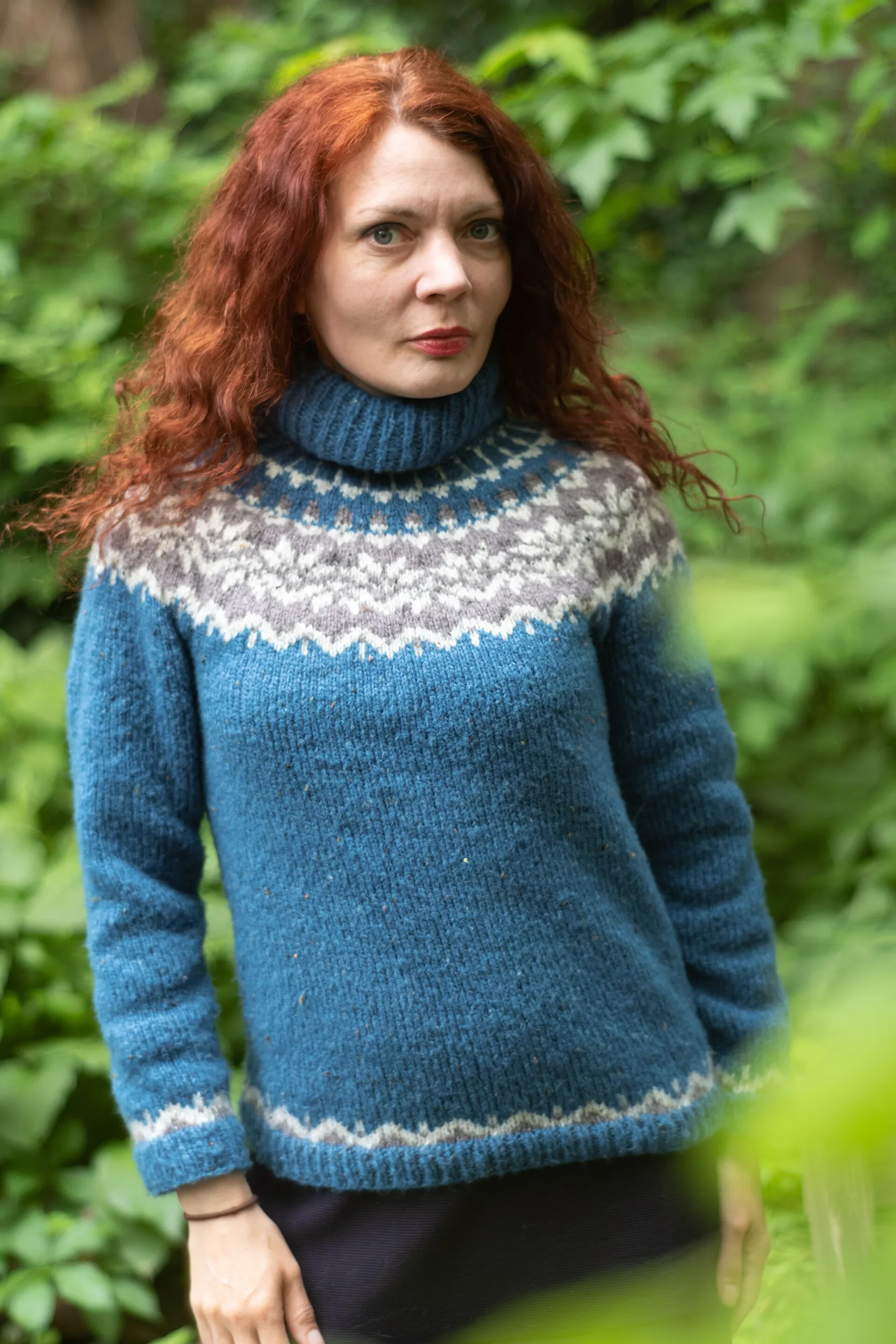
The photograph illustrates knitting, not a confirmed wool, cotton or acrylic garment. Its composition was not verified. It does not demonstrate comparative warmth or softness. Use the table to prepare questions for the actual label; an existing sweater you wear regularly can supply a helpful reference for both composition and size. The most useful result is a garment you can comfortably keep in rotation.
Our three picks
- WoolWool
A wool garment with manageable care
- CottonCotton
A familiar plant fiber in knitwear
- AcrylicAcrylic
A garment whose fit and price work
Side by side
| Compare | Wool | Cotton | Acrylic |
|---|---|---|---|
| Fiber group | Animal | Plant | Synthetic |
| Label to read | Wool percentage and care | Cotton percentage and care | Acrylic percentage and care |
| Reason to consider | You want wool | You want cotton | The actual garment suits you |
| Try to assess | Skin contact and fit | Weight, size and fit | Knitting, finish and fit |
| Care question | Permitted wash; flat drying | Construction also affects size | Follow the garment label |
| Content cannot guarantee | Feel or overall warmth | Post-wash measurements | Pilling or lifespan |
| Scope | Fiber and care research | Fiber and care research | Fiber and care research |
Our choice
Choose wool, cotton or acrylic by reading content, size and care together. Let the actual sweater earn its place, rather than expecting a fiber name to settle every question.
