Three black leather jackets can look similar while their material descriptions differ. Memorising lambskin as soft and cowhide as stiff will not settle the choice of an actual garment. We checked Leathermakers’ material guides and Schott NYC’s product and manufacturing information on October 3, 2026. This is desk research, not a wear test or durability trial. The comparison turns general material descriptions into questions to ask about one jacket.
Lambskin
Leathermakers describes lambskin as light, soft and delicate in feel. It is a candidate to investigate when flexibility and a supple everyday jacket are priorities. That gives you something concrete to look for during a fitting. The description is general manufacturer guidance, though, rather than a promise about the weight or feel of every product bearing the name.
Consider care alongside the attractive texture. Think about where a daily bag strap touches the garment and read the particular jacket’s guidance. We are not predicting that one area will inevitably fail after a certain period. During a fitting, check what happens at the shoulders and sleeves when you move. A soft hide cannot compensate for a pattern or lining that makes the jacket uncomfortable.
Cowhide
Cowhide is a candidate for someone interested in body and structure. The maker’s comparison describes a generally weightier, robust character relative to lambskin. Yet the label does not establish stiffness in every finished jacket. Schott’s 530 specification describes a cowhide garment with a process intended to produce softness. It is a useful concrete reminder that processing and construction also deserve attention.
If you like the shape on a hanger, try sitting and moving your arms while wearing it. Check the overall weight, collar and sleeves, and use the layers you would normally wear underneath. We are not promising that an uncomfortable garment will eventually become exactly what you wanted. Fit at purchase matters; a hoped-for change over time should not be the whole justification for buying it.
Goatskin
Goatskin belongs on the shortlist if a fine pebbled surface appeals to you. Leathermakers describes suppleness, durability and characteristic grain. Those descriptions provide another question to investigate between the other two candidates. They are not measured strength results from this article, and we have not declared a winner in a laboratory comparison.
Lighting can exaggerate or reduce the appearance of grain in a product photograph. Examine the actual garment or detailed images of that particular model where possible. Do not infer waterproof performance from the animal name. Ask about finish or coating and the manufacturer’s instructions if it gets wet. An unfamiliar hide is a reason to seek specific information, not to invent a care routine.
Read beyond the first line of the label
Compare thickness, finish, lining, total garment weight and pattern. Ask the seller about items it has not published. Schott’s factory material describes selecting hides and matching grain and colour, adding useful context about production choices. A hide name is the beginning of a garment description, and price alone does not explain all those decisions either.
Use your usual inner layer and bag when assessing fit. Comfort over a thin T-shirt does not automatically tell you how the jacket works over your regular knitwear. We have not tested three specific products under equal conditions, so there are no warmth, weight or durability scores here. Nor is this a recommendation for protective motorcycle equipment, which requires its own verified performance and certification.
Make care part of the purchase
The maker’s care guidance discusses suitable hanging, storage and drying without direct heat. Apply advice through the individual garment’s label and manufacturer instructions. Do not read a general guide as permission to use the same oil or cream on every finish. If considering a new care product, check compatibility and the specified method first.
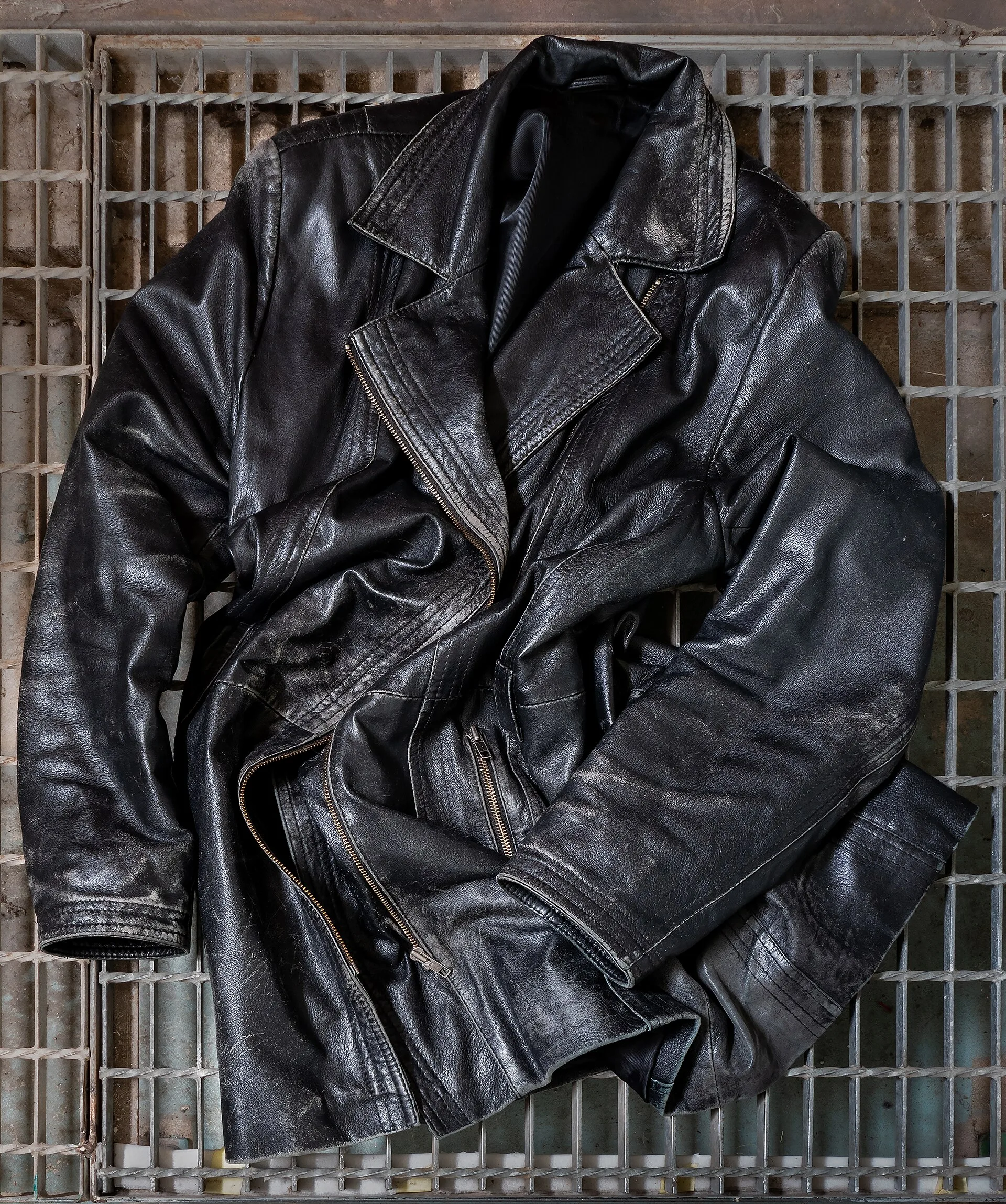
Think about where the jacket will live and what care you are willing to give it. I would favour a product with clear answers about care over one whose material name merely sounds reassuring. The photograph here is a reference jacket with an unidentified hide; it does not serve as a specimen of any of the three materials. The table summarises general descriptions and purchase checks rather than claiming verified product performance.
Our three picks
- LambskinLambskin
Investigate a light, supple feel for everyday wear
- CowhideCowhide
Check structure, processing and actual movement
- GoatskinGoatskin
Examine fine grain alongside suppleness
Side by side
| Compare | Lambskin | Cowhide | Goatskin |
|---|---|---|---|
| Maker’s general description | Light and soft | Weightier and robust | Supple, grained and durable |
| First check | Feel and movement | Thickness, finish, total weight | Surface grain and finish |
| Other variables | Pattern, lining, processing | Thickness, processing, pattern | Processing, coating, pattern |
| Trade-off | Care for a delicate material | Check weight and movement | Grain preference and care |
| Fitting task | Move in usual layers | Sit and move arms | Try usual layers and bag |
| Avoid assuming | Identical weight across products | All cowhide is stiff | The hide name means waterproof |
| Care authority | Specific label and maker | Specific label and maker | Specific label and maker |
Our choice
I would try lambskin first for a light, supple feel, cowhide for a jacket whose body and structure matter, or goatskin for a fine-grained surface. Then let the actual garment’s fit, movement and care instructions settle the decision. Clear answers about one jacket are more useful than a confident generalisation about an entire material.
