A fish bone, a leftover meal and its wrapper can come from the same plate but require different decisions. We compared Seoul's general-waste, food-waste and recycling guidance using municipal materials checked on October 2, 2026. This is a practical research guide, not a ranking of disposal methods. Your district and building instructions remain essential for the designated container, location and collection time.
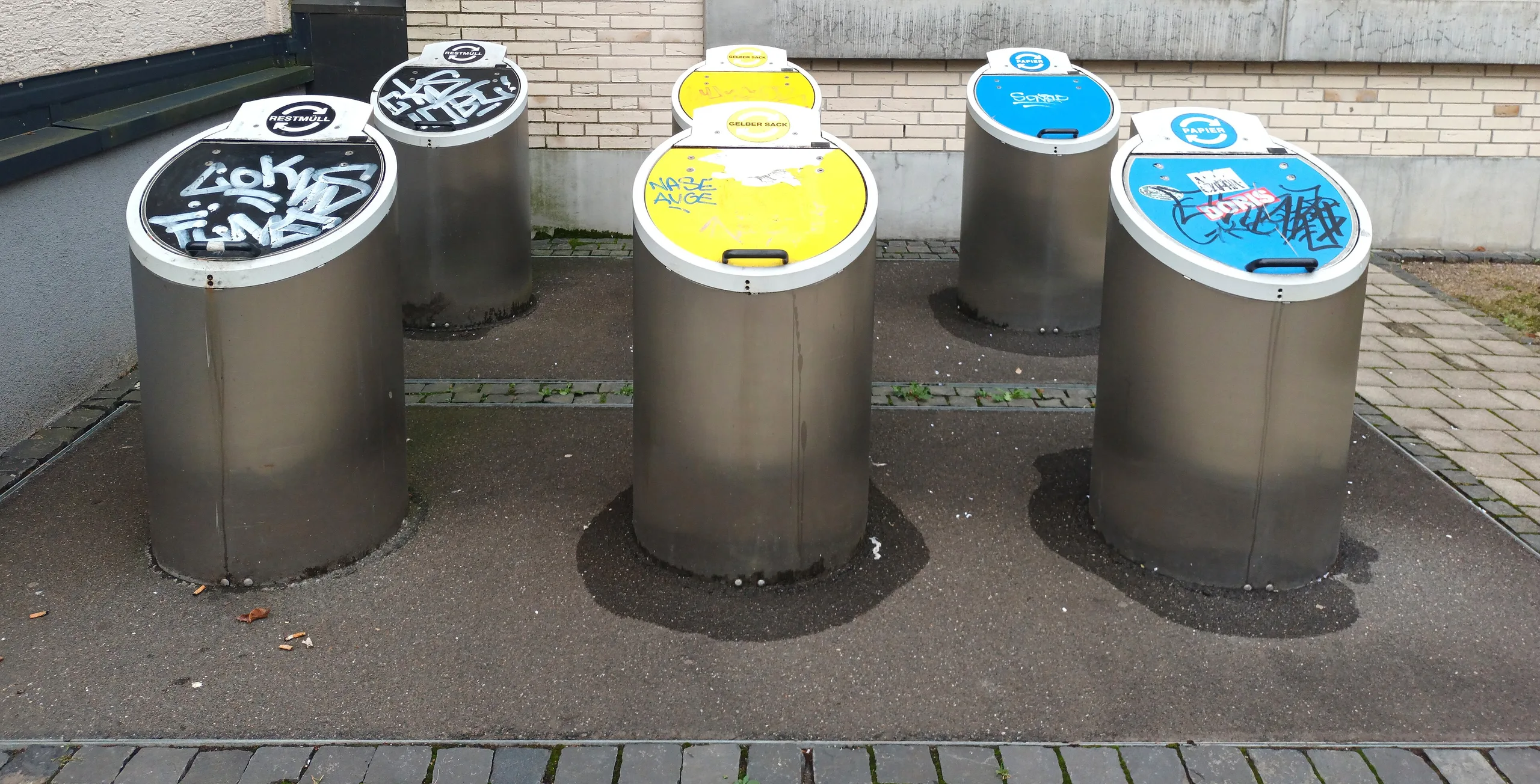
General waste includes some food-related remains
Seoul's July 2026 food-waste guide lists fish bones, shellfish and nut shells, hard bones, seeds, onion skins and vegetable roots among general-waste items. Being left over from a meal does not by itself make something food waste. Separate the remaining food from hard by-products before clearing the plate; otherwise you may have to sort through the mixture later.
General waste is not a universal destination for every uncertain object. Bulky items and separately collected materials may require another procedure. This article covers three everyday household streams, not furniture, electronics or every hazardous item. When an item is unfamiliar, identify it precisely and check the district's instructions instead of deciding by proximity to a kitchen bin.
Food waste needs separation and drainage
Remove the food from its packaging first. Seoul advises draining excess moisture and using the designated food-waste container or bag. Do not assume wrappers, utensils or other objects used during the meal belong with its leftovers. The useful distinction is between the content being discarded and the things that held or accompanied it.
Then check how your particular building collects food waste. An RFID system, designated container and designated bag are different arrangements; a photograph from another neighbourhood will not tell you which applies. Read the posted instructions or ask the building manager. Reducing moisture and following the required collection method are separate tasks, and doing one does not replace the other.
Recycling depends on the item and its condition
A material label is a starting point rather than a complete answer. Seoul's plastic-film guidance calls for emptying the contents before separation. Check the specific packaging type and its condition. We are not inventing one washing routine that works for every material, because the city's item-specific guidance is more useful than that broad claim.
Glass illustrates why the distinction matters. The municipal glass guide separates broken glass from accepted bottle recycling. Do not treat fragments as though they were an intact empty drink bottle. Check the district's wrapping and disposal instructions for sharp pieces. The aim is to keep unsuitable items out of the recycling stream, rather than to make that stream appear as large as possible.
Sort before opening the bag
Our suggested routine is to separate contents, hard by-products and packaging at the table or sink. It is an editorial suggestion, not a prescribed municipal sequence. Decide the route for each part, drain appropriate food leftovers and consult the packaging guidance before disposal. Sorting a cleanly separated set of items is easier than reconsidering a mixed bag.
The city's guides also address confusing items such as contaminated foam packaging and fruit-packing nets. Search for the actual item name instead of relying on a familiar-looking material. If you make a kitchen reminder, list a few things your household really discards. A short, accurate list can be more useful than a large poster with vague categories.
Finish with the local instructions
Do not assume bag colours, prices or collection times are uniform throughout Korea. In Seoul, confirm the arrangements for your address and building. After a move, check before reusing the old routine. Visitors staying in accommodation should ask the host where and when waste belongs rather than leaving it beside a convenient street bin.
Record the disposal stream, location, time and container together. The following table is a decision aid, not a scorecard. If an item is missing from the guidance you have found, keep it separate while you ask. The relevant question is what the item is and how it should be collected, not which of three methods is inherently best.
Our three picks
- General wasteGeneral waste
Check general versus separately collected items
- Food wasteFood waste
Drain and use the locally designated system
- RecyclingRecycling
Empty contents and follow item-specific sorting
Side by side
| Compare | General waste | Food waste | Recycling |
|---|---|---|---|
| Decision | Accepted general-waste item? | Accepted food-waste content? | Item, material and condition |
| Examples to check | Bones and some shells | Leftover food contents | Empty bottles and packaging |
| Keep separate | Special collection items | Wrappers and hard by-products | Broken glass and unsuitable items |
| Preparation | Check designated bag | Drain and remove packaging | Empty and separate by item |
| Local arrangement | District disposal instructions | RFID, container or bag instructions | Building collection instructions |
| Common mistake | Every uncertain item goes here | Everything from a meal is food waste | Same material means same route |
| If unsure | Ask with the item name | Distinguish contents and by-products | Describe the item and condition |
Our choice
Separate the contents before choosing a bag. Check the route for hard food-related remains, drain suitable food leftovers and sort empty recyclable items using their specific guidance. Then match the building's collection arrangements. Learning the correct route for five frequently discarded items is a more durable habit than guessing at three bins each evening.
