A sports headline does not require you to pick a favorite team immediately. Try one NFL, MLB or WNBA game and see which flow interests you. This research guide uses official rules and schedule information checked on October 2, 2026. It is an introduction to following a broadcast, not an attendance review, a prediction or a popularity ranking.
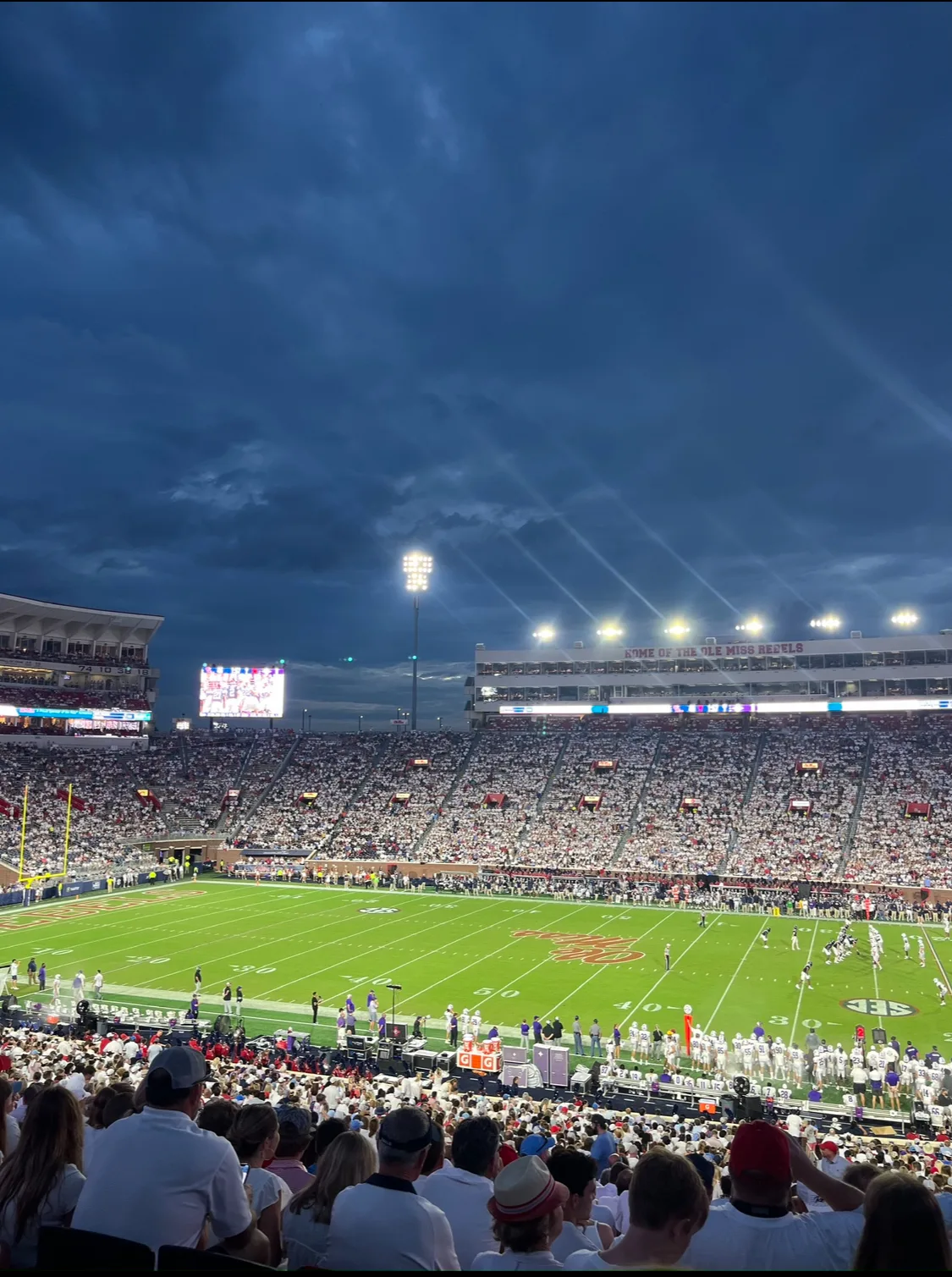
NFL: watch down and distance
Football can initially look like short movement followed by another pause. Start with the offense’s four downs and the distance needed for a fresh set. The usual target is ten yards. Reading the down-and-distance graphic makes a small gain easier to understand in context.
Follow one possession before trying to memorize the whole rulebook. A touchdown is six points and a field goal three; the attempt after a touchdown is separate. If field position and decisions interest you, there is more to learn. Do not translate game-clock minutes directly into time on your couch: interruptions and breaks make the full broadcast longer.
MLB: follow one at-bat and the runners
Watch the outs, runners and ball-strike count as well as the ball itself. Three outs end the batting side’s half-inning. A runner moving through the bases to home is the basic route to a run. You can follow an at-bat and the runners already on base without knowing every player’s statistics.
Nine innings are the regulation framework, not a guarantee that every game has an identical ending or length. Ties can require extra innings, and the rules contain ending exceptions. There is no fixed overall game-time limit. See whether the changing situation between pitches holds your interest before making advanced statistical abbreviations homework.
WNBA: follow the next possession
The WNBA is a women’s professional basketball league. Its four regulation quarters are ten minutes each, not the NBA’s twelve. The shot clock is 24 seconds. To begin, watch where a shot comes from, who collects the rebound and how the next possession develops.
An ordinary field goal is two points, a shot beyond the three-point line three and a free throw one. This is a useful first choice if you enjoy the action moving on after a score. Forty clock minutes do not equal a forty-minute broadcast: breaks, timeouts and possible overtime matter. Watching a continuous quarter can be more instructive than starting with only the final few minutes.
Choose an actual game available to you
Check the official fixture, local coverage and the time zone together. US start times need conversion if you are watching elsewhere. Highlights are an easy sample, but a string of scoring plays hides much of the actual pace. If the sample interests you, try a continuous stretch next.
For a replay, check whether the listing itself gives away the result. A favorite team can come from a nearby city, a player or someone you watch with; it need not be selected by a league table. The comparison below identifies things to follow in a first game, without assigning scores to the sports or their players.
Our three picks
- NFLNFL
Read down, distance and possession decisions
- MLBMLB
Follow an at-bat and the runners
- WNBAWNBA
Keep up with shooting, rebounds and the next possession
Side by side
| Criterion | NFL | MLB | WNBA |
|---|---|---|---|
| Watch first | Down, distance, possession | Outs, runners, count | Score, time, shot clock |
| Basic structure | Advance and earn new downs | Alternating half-innings | Four ten-minute quarters |
| Basic scoring | Touchdown 6; field goal 3 | A runner reaches home | Field goal 2; three-pointer 3; free throw 1 |
| Starting sample | One continuous possession | One at-bat and its runners | One continuous quarter |
| Time planning | Clock differs from broadcast length | Nine-inning framework; extras and exceptions | Forty-minute clock differs from broadcast length |
| Also check | Date, time zone, local coverage | Date, time zone, local coverage | Date, time zone, local coverage |
Which one would I choose?
Try the NFL if the meaning of a small gain intrigues you, MLB if you want to read an at-bat and the situation around it, or the WNBA if you want to follow scoring into the next possession. Start with the flow of one game rather than a ranking of teams. Wanting to check the next result is already a useful beginning.
