A beach-volleyball search is a good invitation to reconsider the indoor game. Add sitting volleyball and the comparison becomes richer: changing the court and the way players move changes what viewers should follow. We checked FIVB, Korea Beach Volleyball Federation and World ParaVolley materials on October 2, 2026. This is a rules-based viewing guide, not a participation review or a ranking of athletic difficulty.
Indoor: watch the players without the ball
FIVB's introduction describes six players on court and clockwise rotation when a team regains service. The useful viewing question is how those players prepare the next connection. Instead of following only the hitter, notice who supports the first pass and who is ready behind the attack. The game becomes more readable when the surrounding movement matters too.
For a first match, follow one rally from serve reception to attack rather than memorizing every fault. FIVB also explains the specialist libero role. Roles and rotation reward closer attention, although they can make the initial screen feel busy. Our reason to start indoors is that team organization gives a viewer plenty to keep discovering after the first spectacular point.
Beach: two players share the space
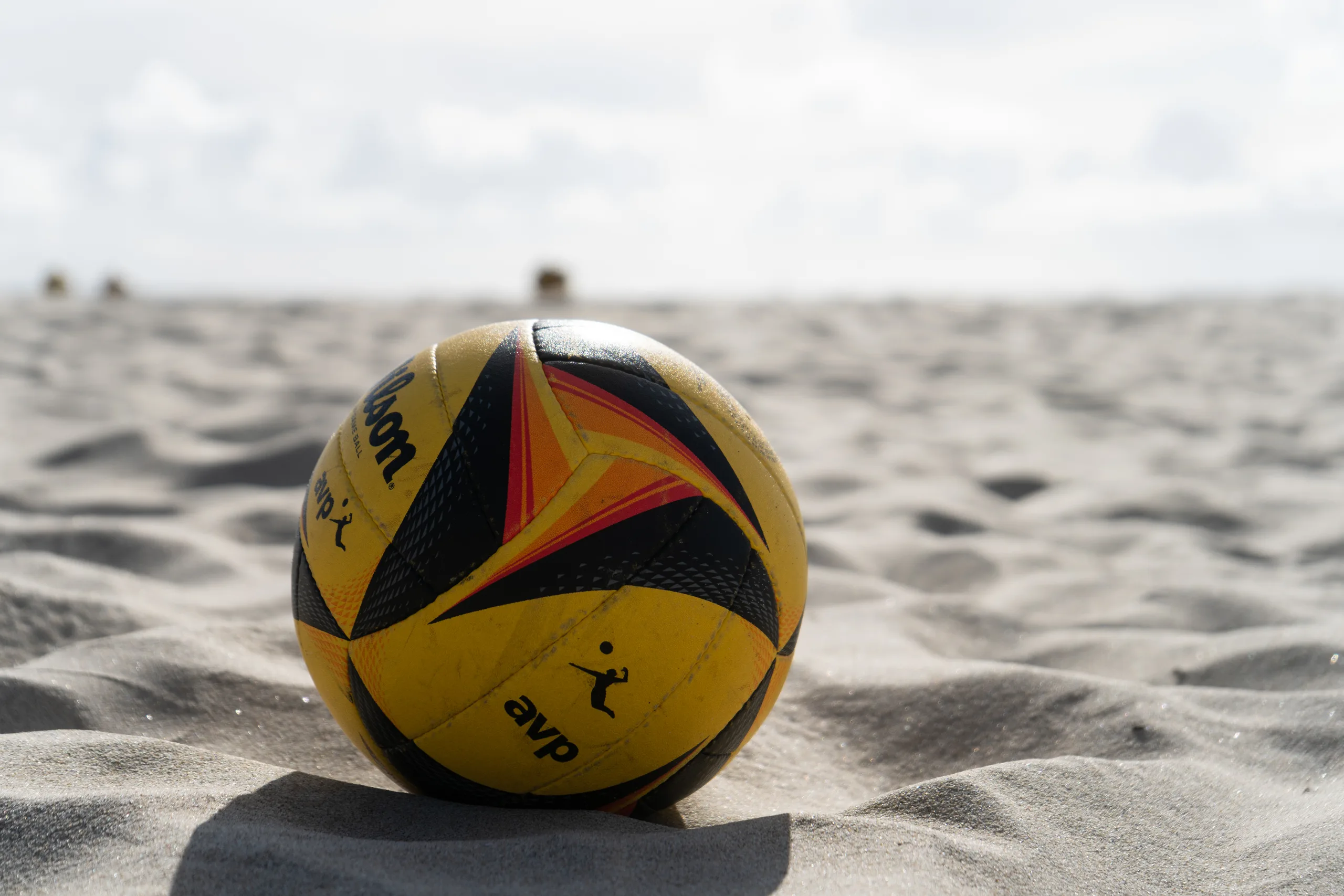
The current beach-rules guidance describes two players per team on a 16-by-8-metre sand court. Having fewer people to track is an appealing starting point. Watch where the second player moves while the first goes for the ball. This comparison uses the regulated two-player format, not every informal game played on a beach.
One difference worth learning is the block contact. FIVB explains that a block counts towards a beach team's three contacts, unlike indoor volleyball. Bringing familiar indoor assumptions to the sand can therefore cause confusion. If watching inspires you to play, first check the court and organizer's participation guidance. A nearby beach does not establish that a suitable playing area exists.
Sitting: follow movement along the floor
World ParaVolley describes a 10-by-6-metre court, with adult net heights of 1.15 metres for men and 1.05 metres for women. Six players are on court. Those dimensions are useful context, but movement is the more interesting first viewing cue. Follow how players change position and prepare the next contact while seated.
We would not describe it as easy volleyball or merely a demonstration activity. Official competition has its own rules and classification framework. A recreational introduction and eligibility for a regulated competition are different questions. Interested newcomers can ask a local organization about introductory sessions and participation conditions rather than assuming every setting uses the same entry requirements.
Compare the same part of a rally
Choose the moment immediately after the serve in each format. Who receives? Who prepares the next contact? What space has been left open? Comparing one sport's highlights with another's mistakes mostly compares video editing. Similar situations offer a more useful way to notice the games' differences.
Try watching the space behind the defense instead of only the attacking shot. Indoor play suggests questions about roles and rotation; beach play about a pair's division of space; sitting play about repositioning along the floor. We have not measured energy expenditure or reaction speed, so there is no numerical difficulty ranking. The rules help frame the observation without pretending to answer everything.
Check the format before applying the rules
Read the competition and format labels before selecting a match. Beach events can use different formats, and age categories or competition-specific rules can matter. Some events also test rules. This article offers an entry point, not a substitute for the regulations applying to the match you are watching.
For participation, ask about court access, supervision, equipment and entry conditions rather than calculating player numbers alone. An archive photograph cannot establish a venue's current state. Use the comparison below to decide what you would enjoy following. You do not have to choose a permanent favourite before learning how a single rally works.
Our three picks
- IndoorIndoor
Follow roles and rotation across a six-player team
- BeachBeach
Watch two players divide the available space
- SittingSitting
Explore floor movement and different positioning
Side by side
| Compare | Indoor | Beach | Sitting |
|---|---|---|---|
| Basic format | 6 players on court | 2 players per team | 6 players on court |
| Space | Indoor court and role organization | 16 × 8 m sand court | 10 × 6 m court |
| First viewing cue | Reception to next connection | The pair’s positioning | Movement before the next contact |
| Rule example | Block not counted as team contact | Block counted as team contact | Separate sitting rules |
| Potentially unfamiliar | Rotation and specialist roles | Different contact assumptions | Posture and movement |
| Before participation | Court and organizer arrangements | Sand court and equipment guidance | Introductory program and conditions |
| Official reference | FIVB | FIVB and Korean federation | World ParaVolley |
Our choice
Start indoors if the links between team roles interest you, on the beach if you want fewer players to track, or with sitting volleyball if you want a fresh view of movement. Watch the first connection after the serve in all three. Following that one sequence is a better beginning than trying to learn the entire rulebook before enjoying a match.
