An automobile search can quickly become a list of brands. This comparison starts earlier, with hatchback, sedan and SUV body styles. We checked manufacturers’ explanations and model examples on October 10, 2026, following the automobile term in Korea’s daily trends. Unlike our electric-car comparison, this is about body layout, without choosing a powertrain or ranking particular models. We did not drive or measure these cars.
Hatchback: examine the rear opening
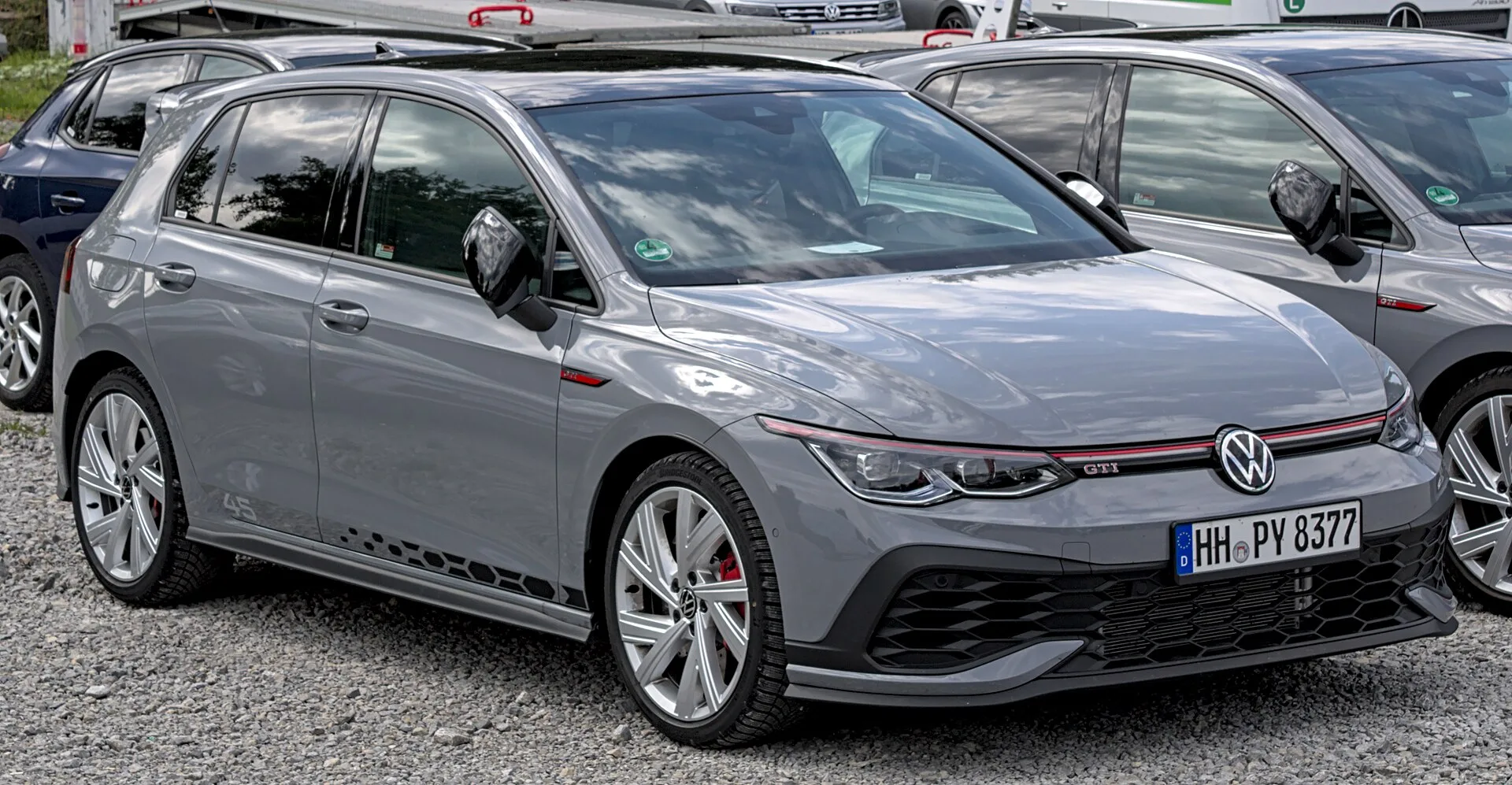
A hatchback provides cargo access through a rear door that opens upward. The Golf GTI is one manufacturer’s example. I would investigate the layout if this way of loading appeals and the actual candidate fits your parking arrangements.
The tradeoff is judging usefulness from a picture. An opening door does not establish that your stroller or box will fit. Compare the relevant dimensions and check the vehicle with rear seats both upright and folded. A space obtained by folding seats may be unavailable when passengers are there. Evaluate the task you repeat each week, rather than letting one imagined large delivery determine the whole choice.
Sedan: decide whether a separate trunk suits the routine
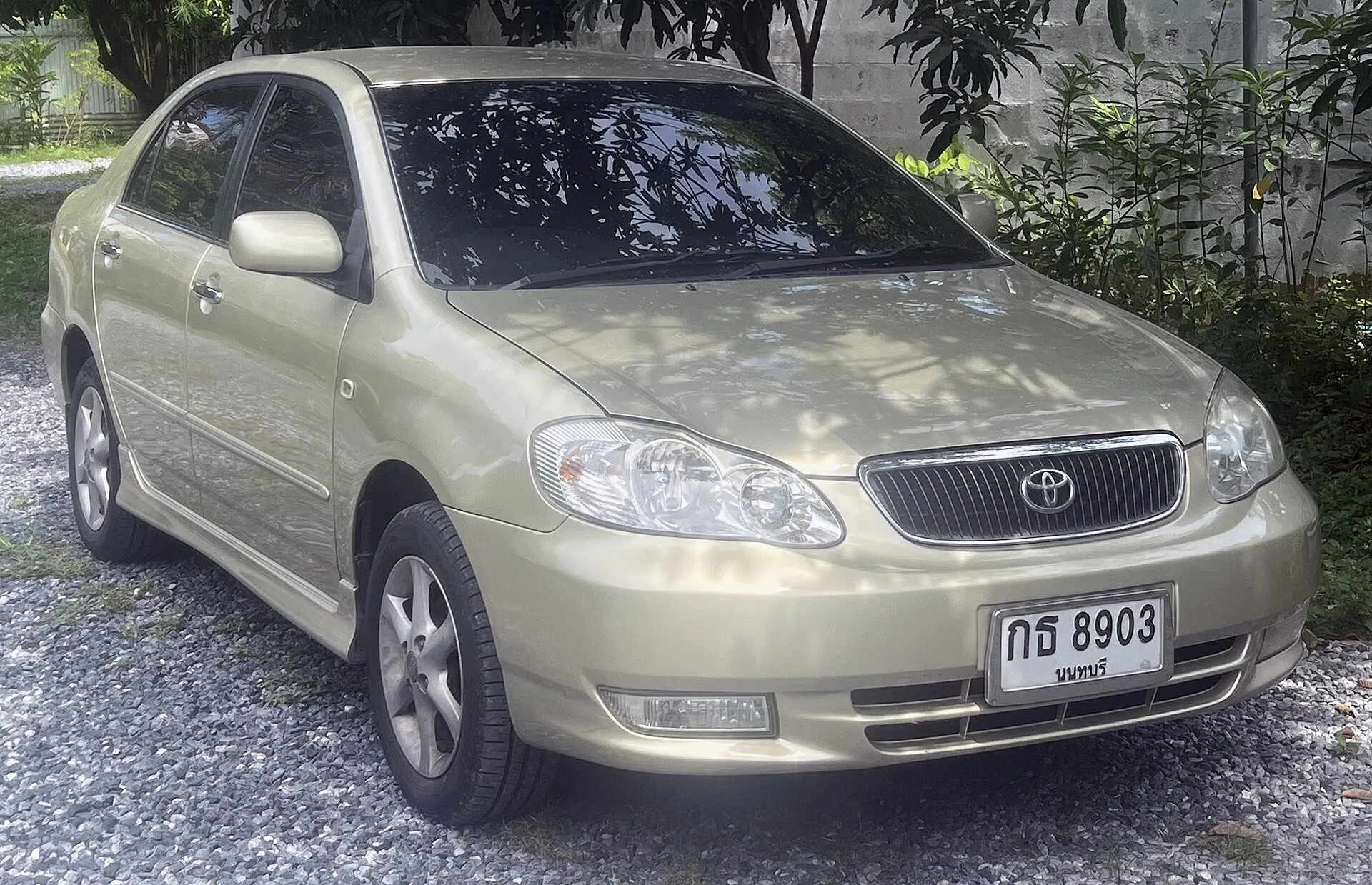
A sedan’s trunk is distinct from its passenger compartment; Corolla Sedan illustrates the naming. I would keep this layout on the list when the usual load is luggage or shopping and a separate trunk appeals. A conversation that begins with SUVs need not remove another body style you prefer.
The limitation is using a volume number without looking at the entrance. A bulky object may not pass through even when there seems to be room inside. Bring its dimensions to the showroom. Also avoid treating sedan as a guarantee of generous rear seating or quiet travel. Those are matters to investigate in the exact vehicle, rather than advantages awarded to an entire category.
SUV: attach a specific need to the higher shape
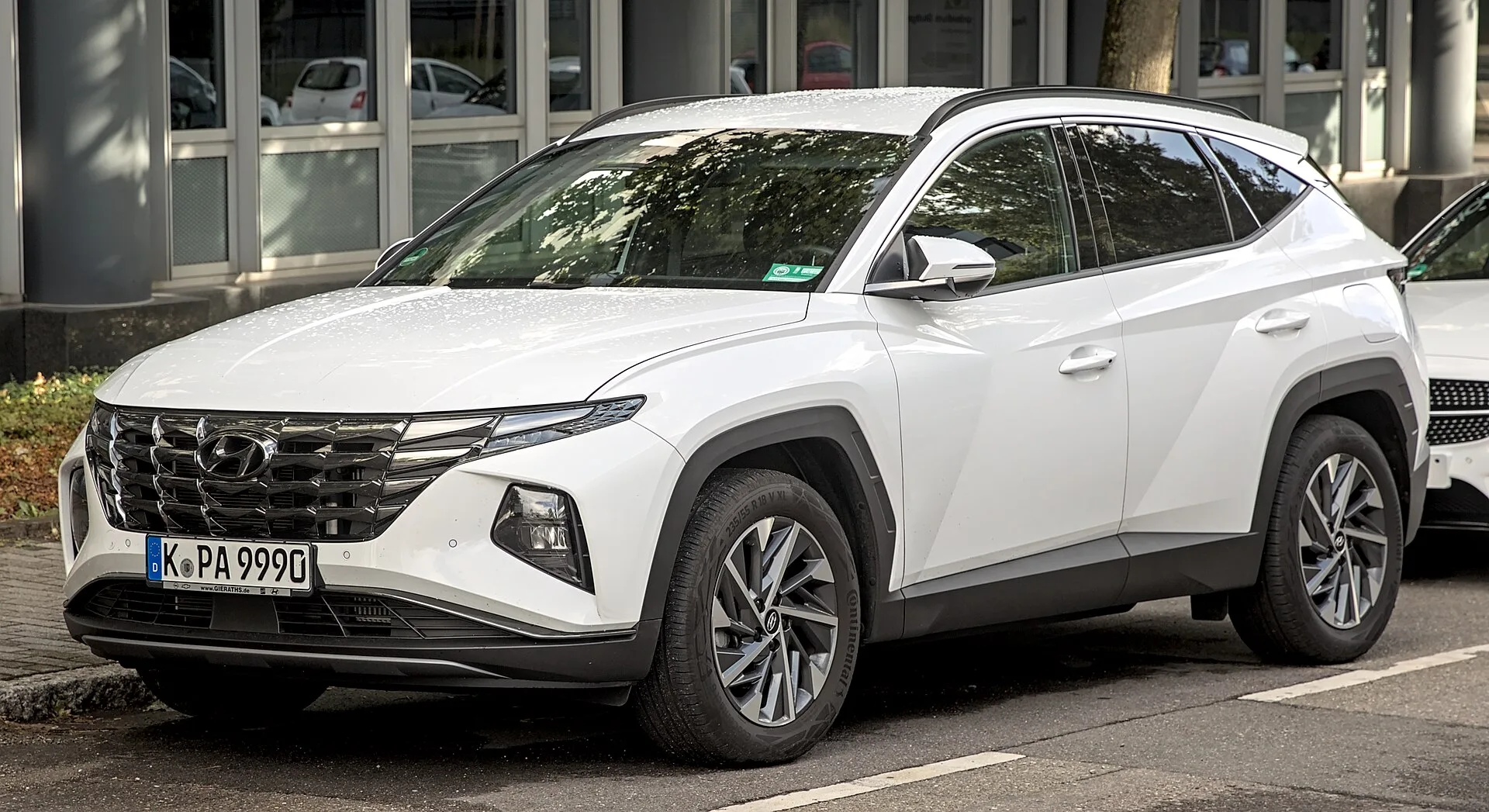
SUV descriptions generally emphasize a higher body and seating position. Hyundai identifies TUCSON as an SUV example. I would consider the shape if the seat position and loading arrangement solve a need you can describe, rather than assuming every family needs one.
The drawback is how broad the category is. The name alone does not establish four-wheel drive, off-road capability, safety or sufficient cargo capacity. Sit in both rows and compare the candidate with your parking conditions. Check the arrangement with passengers and belongings together. A promotional picture with the rear seats folded may show space that is unavailable during your usual trip.
Bring the parking conditions and a luggage list
Write down the constraints of your regular parking space and three items you often carry. Compare length, width and height using the exact model’s specifications and consistent measurement definitions. Check, for example, whether a width includes mirrors. This article does not establish that a particular model fits your garage.
Start the loading question with the number of passengers, then consider the objects. I would give a recurring ordinary week at least as much attention as one exceptional holiday. It is worth deciding whether that occasional load justifies a shape that is harder to handle every day. The concrete configuration gives a better question to ask at the showroom than a large cargo number by itself.
Keep body shape separate from the powertrain
Hatchback, sedan and SUV describe body choices. Gasoline, hybrid and electric are another comparison. A body label cannot establish fuel bills or charging arrangements. Economy, running costs and safety ratings require exact models, years and trims; an overseas manufacturer page also does not guarantee Korean-market specifications.
The photographs illustrate body shapes and may show older or different-market vehicles. They are not our test drives or a comparison of three current Korean models. The table gathers questions for an actual inspection, without invented performance scores. Pick the layout that interests you, then check the real car with your usual passengers, luggage and parking constraints before letting the category name settle the decision.
Our three picks
- HatchbackHatchback
Investigate rear-door loading and the actual size
- SedanSedan
Check a separate trunk against your usual luggage
- SUVSUV
Verify a higher seating position and the actual layout
Side by side
| Compare | Hatchback | Sedan | SUV |
|---|---|---|---|
| Layout starting point | An upward-opening rear door | A separate trunk | Higher body and seating position |
| Inspect first | Opening and actual dimensions | Trunk entrance and shape | Seats, access and parking dimensions |
| Reason to shortlist | The hatch loading arrangement fits | A separate luggage space fits | The higher position and layout fit |
| Avoid assuming | Every example is small and cheap | Every example is quiet and spacious | Every example has 4WD or off-road ability |
| Loading test | Keep usual passengers accounted for | Check the object passes the entrance | Keep usual passengers accounted for |
| Specification basis | Exact model, year and trim | Exact model, year and trim | Exact model, year and trim |
| Evidence here | Layout explanation; no driving test | Layout explanation; no driving test | Layout explanation; no driving test |
Our choice
Start with the body you prefer, then test its usefulness against parking and luggage. A hatchback, sedan or SUV label cannot rank economy, safety or room. Bring the people-and-belongings configuration you actually use to the next stage of choosing a car.


