A large museum makes it tempting to see everything. Sometimes that ends with a hurried photograph of the famous work and little memory of anything else. The Louvre, British Museum, and Vatican Museums reward deciding what you came for before handing over a day. This guide compares a first goal and the practical preparation using official visitor information checked on October 1, 2026. It is a shortlist, not an official ranking of the world's three greatest museums.
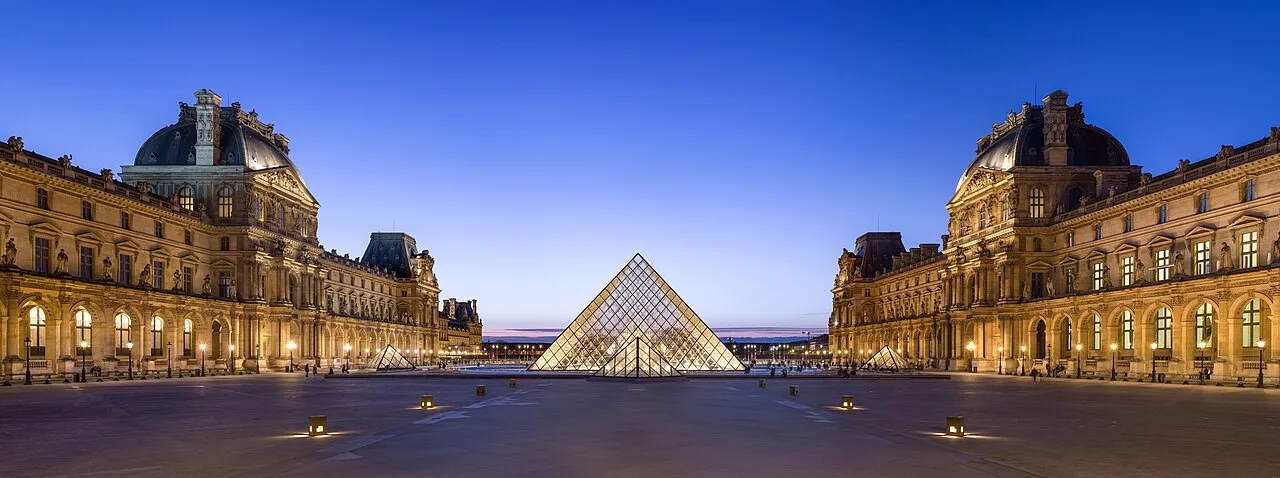
The Louvre: Turn around after the Mona Lisa
The Louvre's own introduction pairs the Mona Lisa in the Salle des États with Veronese's The Wedding Feast at Cana opposite it. That is a useful first plan: visit the famous painting, then give another work in the same room your attention. Turning around can be a better next step than rushing to another name on a checklist.
The visitor information lists Tuesday closure and recommends timed reservations. When checked, admission was EUR 22 for EEA residents or citizens and EUR 32 for visitors who are neither EEA residents nor citizens. Check both residency or citizenship and any free-admission entitlement instead of assuming a price from nationality alone. The museum recommends booking even when you qualify for free entry.
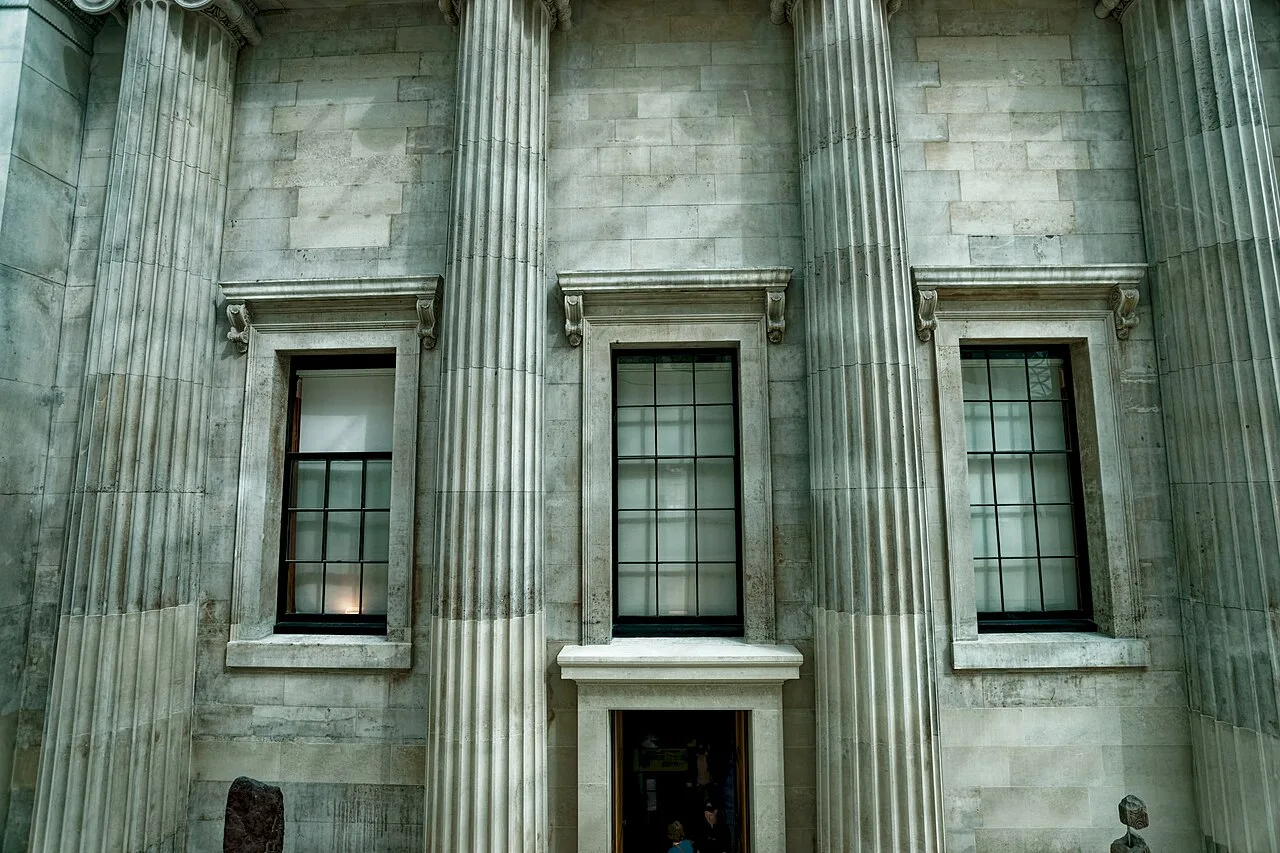
The British Museum: Follow an object into its history
The British Museum presents the Rosetta Stone as a key ancient Egyptian object. Its versions of the same text in different scripts helped the decipherment of Egyptian hieroglyphs. Starting with an object and its story is a different kind of visit from spending a long time with one painting. Choose a culture or question and the vast collection becomes less bewildering.
Official visitor information describes free general admission and advance booking of a free ticket. Free does not mean guaranteed immediate entry without planning. Booking supports priority entry when busy, while special exhibitions can have their own ticket conditions. Go because there is something you want to see; the absence of an admission charge should not be the whole reason.
The Vatican Museums: Plan the route to the chapel
The official collection information introduces the Sistine Chapel ceiling and The Last Judgement separately. Here the walls and ceiling are part of what you are looking at, rather than just a setting for a small framed work. Make the chapel a goal, then use the museum map to understand the route you will walk that day.
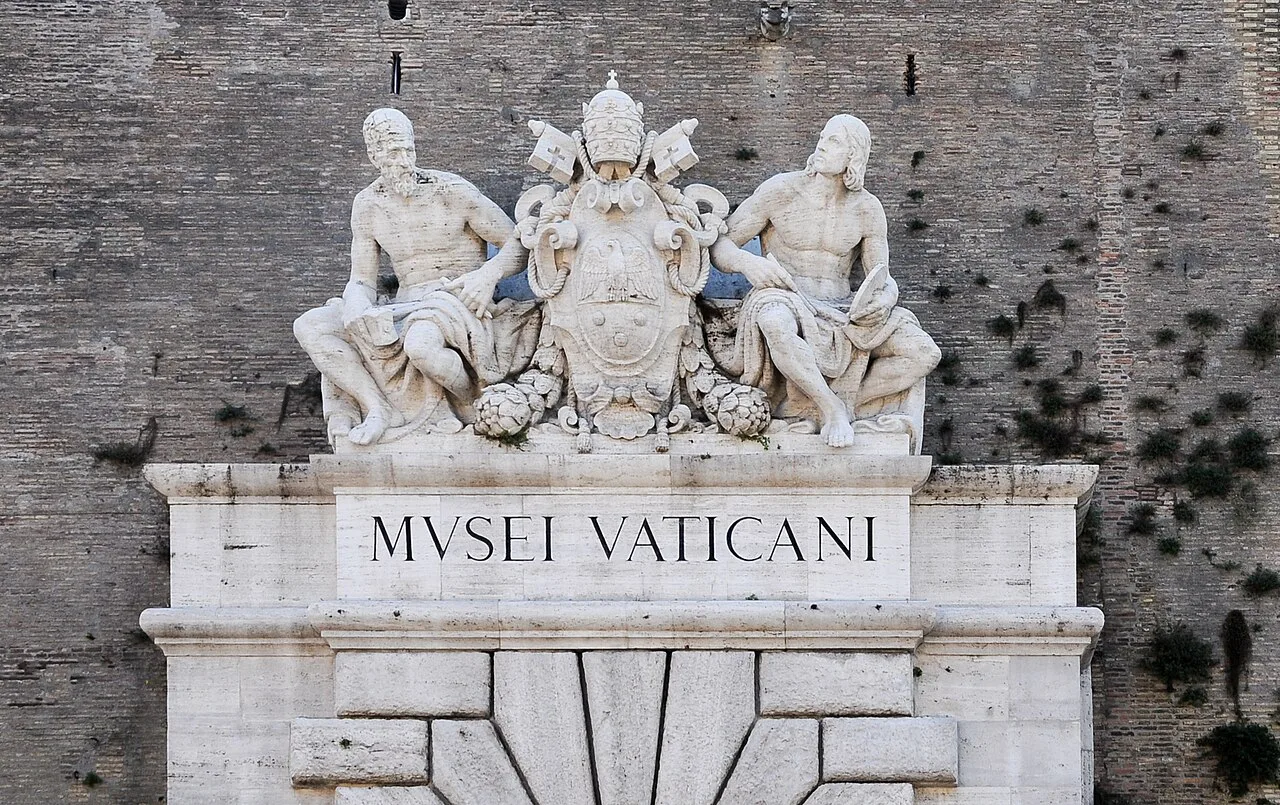
The visitor rules specify dress requirements, silence in the chapel, and a ban on photography there. Taking photographs elsewhere does not establish the rules for this room. Separate general museum photography guidance from the chapel exception. That is also why this guide uses a licensed photograph of the entrance rather than suggesting the chapel interior is an ordinary photo stop.
A half-day plan needs a smaller target
I would not claim you can see all of any of these museums in half a day. Choose one main goal and one additional area instead: the Mona Lisa room plus another part of the Louvre, the Rosetta Stone plus a selected culture at the British Museum, or a Vatican route that includes the chapel. Actual time depends on queues, energy, and open galleries.
Leave lunch and travel some room instead of filling the entire day with appointments. Reading labels and taking photographs also lead to different speeds. Free admission is a cost difference, not a score for the quality of a visit. These museums are not even three stops in one city; choose the one that belongs to your itinerary rather than treating them as a race.
Read the latest notice before you go
Check the official admission conditions before reserving and the notices again closer to your visit. On the research date, the Louvre warned of possible delayed opening and partial gallery closures on October 5, 2026. A booked ticket does not guarantee every room will be open. The location and accessibility of the work you want to see belong in the plan too.
The Vatican Museums identify their official ticket sales site; a prominent search result is not automatically that seller. At the British Museum, separate general entry from exhibition tickets. At the Louvre, check your own fee eligibility. The comparison below records October 1 information and suggested routes. The latest official instructions at booking and visiting take priority.
Our three picks
- Paintings and the Mona LisaThe Louvre
In Paris, give the famous painting and another work in the same room time together.
- Objects and historyThe British Museum
In London, choose a culture and follow the story behind its objects.
- Frescoes and the chapelThe Vatican Museums
During a Rome visit, plan a museum route that includes the Sistine Chapel.
Side by side
| What matters | The Louvre | British Museum | Vatican Museums |
|---|---|---|---|
| City or setting | Paris | London | Vatican City; fits a Rome itinerary |
| Suggested first goal | Mona Lisa and another painting in the room | Rosetta Stone and ancient Egypt | Sistine Chapel |
| Interest to follow | Paintings and space | Objects and cultural history | Wall and ceiling frescoes in their setting |
| Entry preparation | Timed booking and fee eligibility | Book a free general-entry ticket | Official ticket and dress requirements |
| Remember the rule | Tuesday closure; check open galleries | Special-exhibition conditions are separate | No photography in the chapel; keep quiet |
| Reduced half-day plan | Target room plus one additional area | One selected culture | Route centred on the chapel |
| My reason to choose | See paintings at their actual scale | Read the history behind objects | See art and architectural space together |
One reason to leave a day open
In Paris, I would allow time for the Mona Lisa and other paintings in its room. In London, I would begin with the Rosetta Stone and follow one culture. In Rome, I would plan around the Sistine Chapel route. You do not need to conquer a large museum. Something you want to look at for a while is enough reason to leave a day open.


