Smartwatch spec sheets are crowded with sensors and workout modes. Daily life asks smaller questions: does it work with your phone, when will you charge it, and will you read yesterday's workout data? Those questions separate Apple Watch Series 12, Samsung Galaxy Watch8, and Garmin Venu 4 more usefully than counting features. This guide draws on official information checked on September 30, 2026. It is a buying shortlist, not a hands-on battery or health-sensor test.
Your phone gets the first vote
Series 12 belongs on an iPhone shortlist. Watch8 belongs on an Android shortlist, especially if you already use a Galaxy phone. Venu 4 pairs with compatible iPhones and Android phones. There is little point comparing every sensor before checking that basic fit.
Pairing is only the beginning. Samsung makes some health features dependent on a Galaxy phone, so connecting Watch8 to another Android phone does not mean getting an identical feature set. Pick the feature you care about most and check its requirements. A longer list of sensors will not fix a missing phone requirement.
Series 12: Keep the iPhone routine
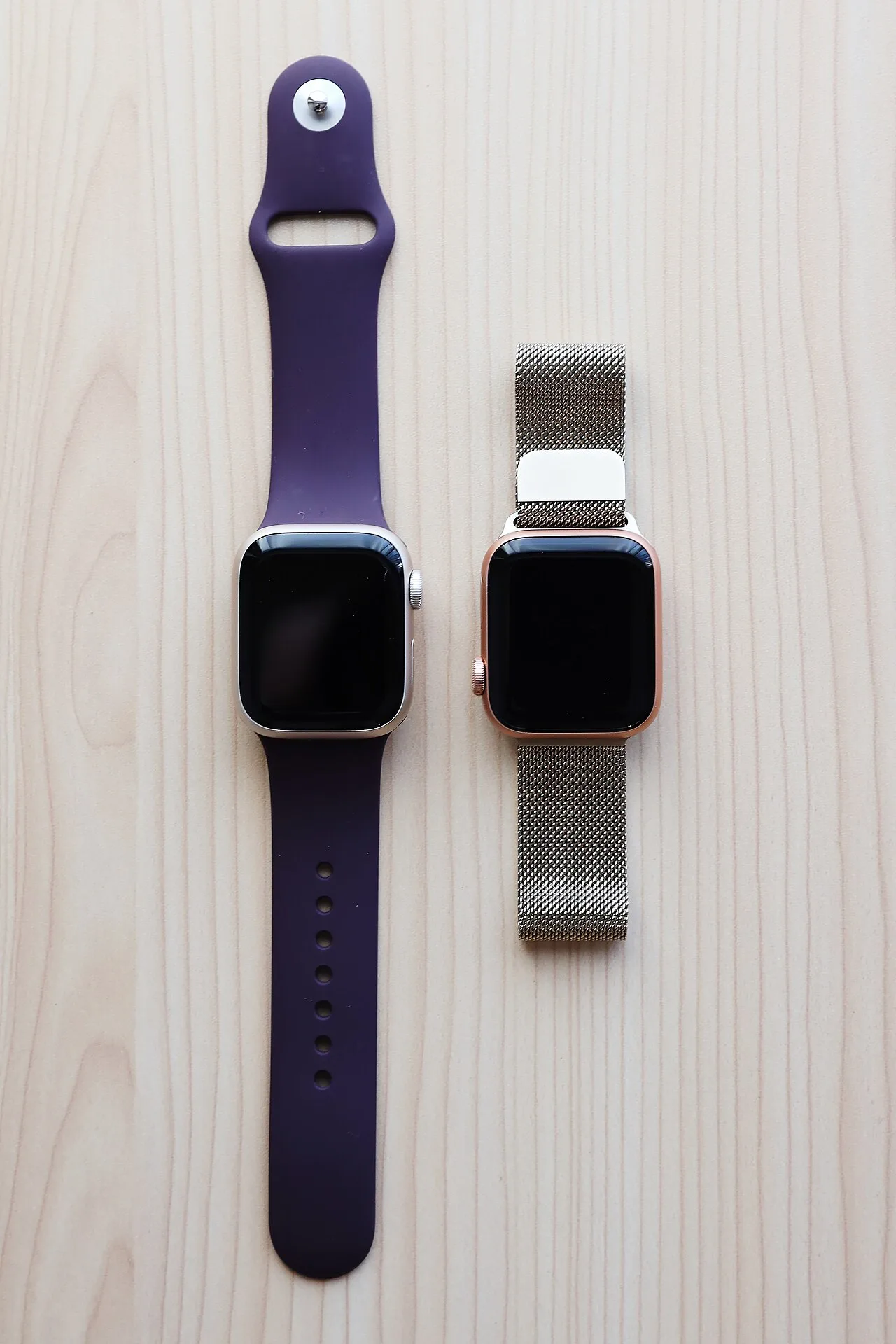
Apple introduces Series 12 with its new Health Sensing System and a readiness feature. Its stated everyday battery life is up to 24 hours; a 15-minute charge is advertised to provide up to 12 additional hours. That points toward short charging sessions built into the day rather than forgetting the charger for a week.
For an iPhone owner, the reason to start here is continuity. The watch sits beside the phone you already use for apps and notifications. The harder question is bedtime. If you want sleep tracking and an early workout, choose a regular charging window that leaves both covered. Someone who happily charges during a shower and someone who regularly forgets will have different experiences with the same watch.
Watch8: Start here if you already use Galaxy
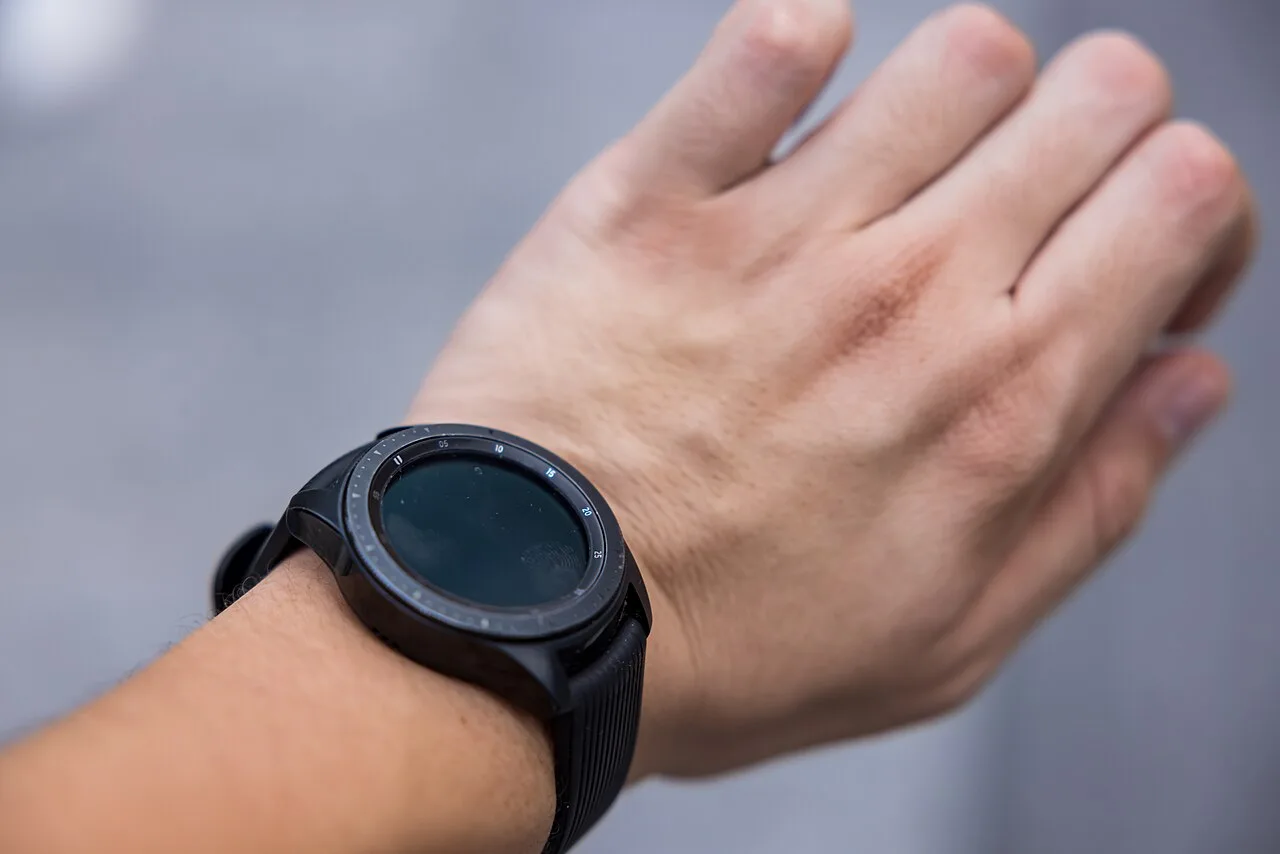
Watch8 comes in 40mm and 44mm versions, with 325mAh and 435mAh batteries respectively. Samsung quotes up to 30 hours with the always-on display enabled. That condition matters: Apple's everyday figure and Samsung's AOD figure are not results from one shared test. Thirty being larger than twenty-four does not settle the battery comparison.
If Samsung Health already holds your records, Watch8 is an obvious starting point. You can judge the watch around that existing routine rather than planning a move to another platform first. Try both sizes on. A larger screen and battery are useful, but a watch that feels cumbersome at night may end up missing the sleep records you bought it for.
Venu 4: Give charging less of your attention
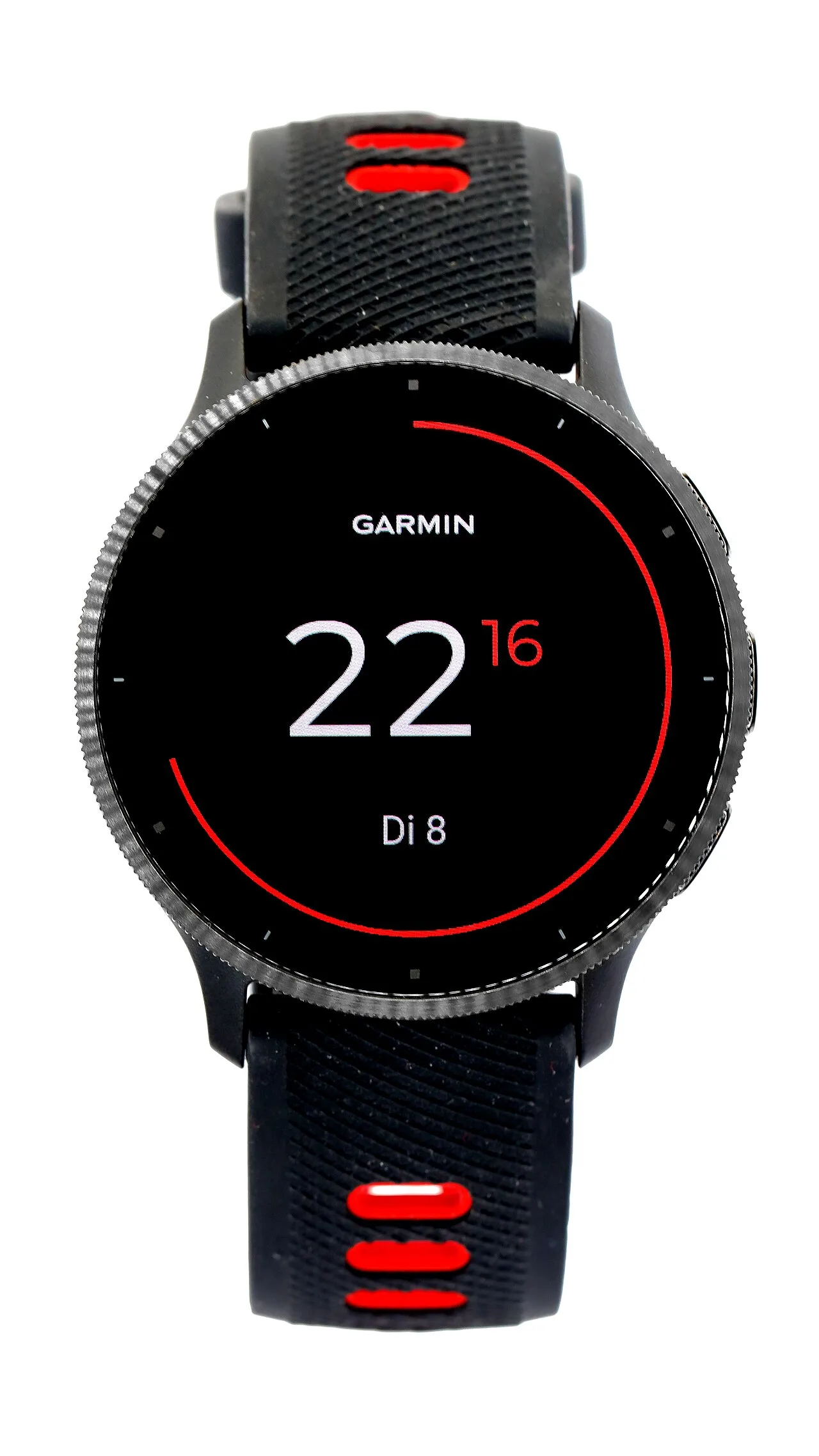
Garmin offers 41mm and 45mm Venu 4 models; the up-to-12-day smartwatch-mode figure applies to the 45mm version. Training readiness, recovery time, HRV, and Body Battery are part of its fitness focus. It also has an LED flashlight, a speaker, and a microphone. Long charging intervals and support for both phone platforms make it a different sort of everyday candidate.
Twelve days does not mean twelve days of continuous GPS workouts with every display feature switched on. The stronger reason to choose it is a routine built around collecting and reviewing exercise and sleep data. If you never open the recovery information, that selling point will not do much for you. Buy around the records you intend to read, not the number of metrics on the box.
Write down a normal day
A few notifications, a half-hour walk, and a watch left on the desk overnight is one routine. Sleep tracking, a morning run, and weekend GPS activities is another. In the first, phone integration may matter most. In the second, gaps caused by charging become more noticeable. Battery life has value when it solves an actual interruption.
I would narrow the choice to two and try them on before buying. Fit matters more once you wear a watch through the night. Health metrics also need sensible expectations: more measurements do not by themselves prove better accuracy or turn a watch into a medical diagnosis. The table below is about daily fit, not a laboratory ranking.
Our three picks
- iPhone routineApple Watch Series 12
Start here when iPhone apps and notifications matter most, and a regular charging window fits your day.
- Galaxy routineSamsung Galaxy Watch8
Start here when Galaxy integration and your existing Samsung Health records are the priority.
- Training and charging intervalsGarmin Venu 4
Consider it when keeping exercise and sleep records, with fewer charging interruptions, is the main reason to buy.
Side by side
| What matters | Apple Watch Series 12 | Galaxy Watch8 | Garmin Venu 4 |
|---|---|---|---|
| Phone fit | iPhone | Android; some health features need Galaxy | Compatible iPhone or Android |
| Quoted battery life | Up to 24 hours of everyday use | Up to 30 hours with AOD | Up to 12 days in smartwatch mode, 45mm |
| How to read that number | Plan short, regular charges | Different test conditions from Apple's figure | Not a continuous GPS-workout figure |
| Reason to shortlist it | Keep the iPhone app and notification routine | Keep the Galaxy and Samsung Health routine | Long charging intervals and training records |
| Check before buying | When charging fits around sleep tracking | Feature support for your exact phone | Support for the apps and alerts you rely on |
| Reason to reconsider | You use Android | You use an iPhone | You mainly want phone apps and ignore training data |
| My starting choice | Everyday iPhone use | Everyday Galaxy use | Consistent records and less frequent charging |
The final pick
For an iPhone owner, I would start with Series 12; for a Galaxy owner, Watch8. If charging interruptions are the thing you want to escape, put Venu 4 beside them before deciding. The best everyday watch is the one you keep putting back on in the morning. These recommendations reflect that fit, not a same-conditions battery contest.


