Where will you charge most often? Until that has an answer, the largest advertised range number is less helpful than it looks. We compare Hyundai Ioniq 6, Tesla Model 3 and Kia EV6 using Korean official information. Different batteries, drive layouts and certification systems are not combined into one misleading range ranking.
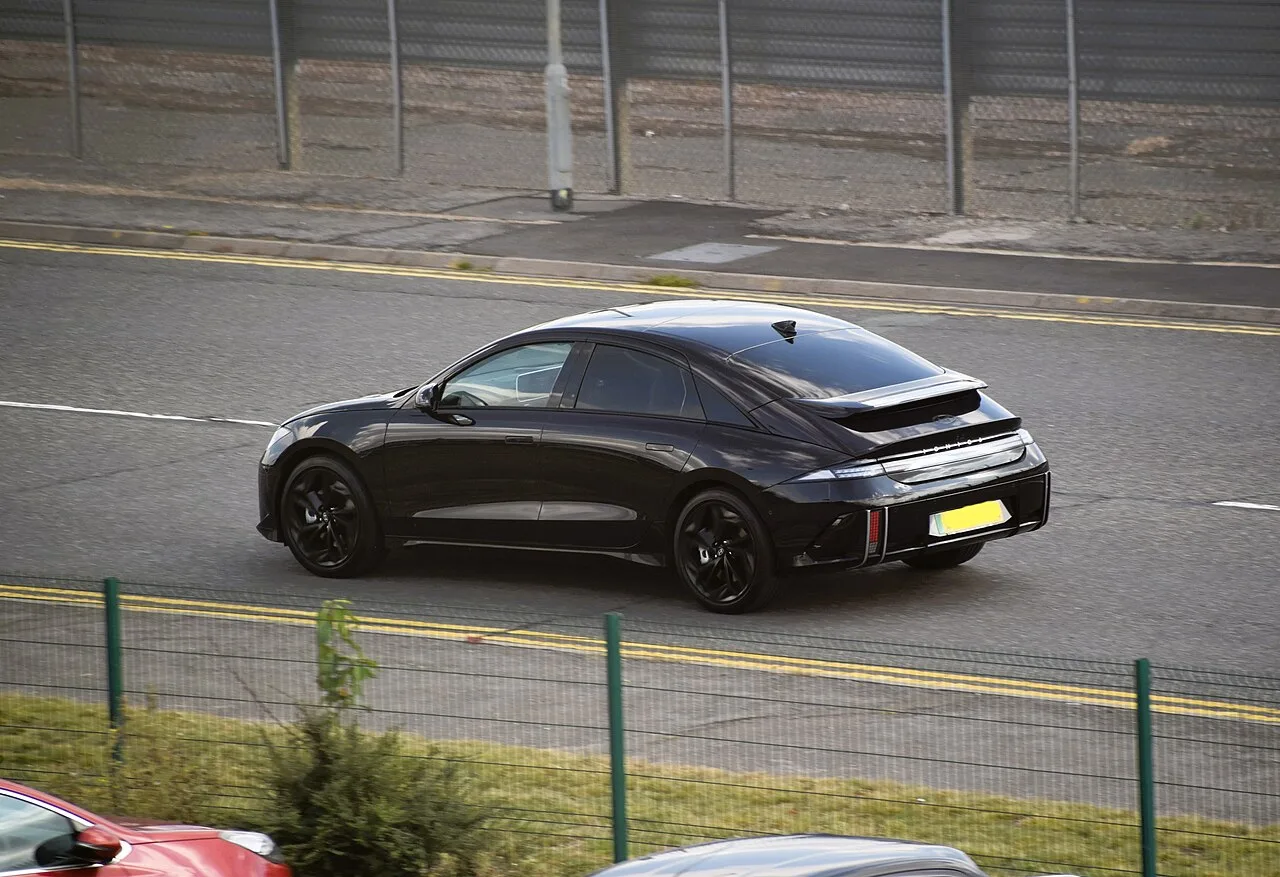
Ioniq 6: understand why you want the sedan
The Ioniq 6 belongs on a sedan shortlist. Read Hyundai's Korean price sheet by exact model year, trim and battery. Attaching a battery or range figure from an older review to a current quote can create a comparison of a car that is not actually being offered. Write down the complete quoted configuration first.
Sit in the back and try getting in and out before signing. Seat geometry and a lower body shape interact with your height and your passengers' habits. Bring the stroller or luggage you regularly carry if possible. A capacity figure does not show whether the trunk opening suits a particular awkward item.
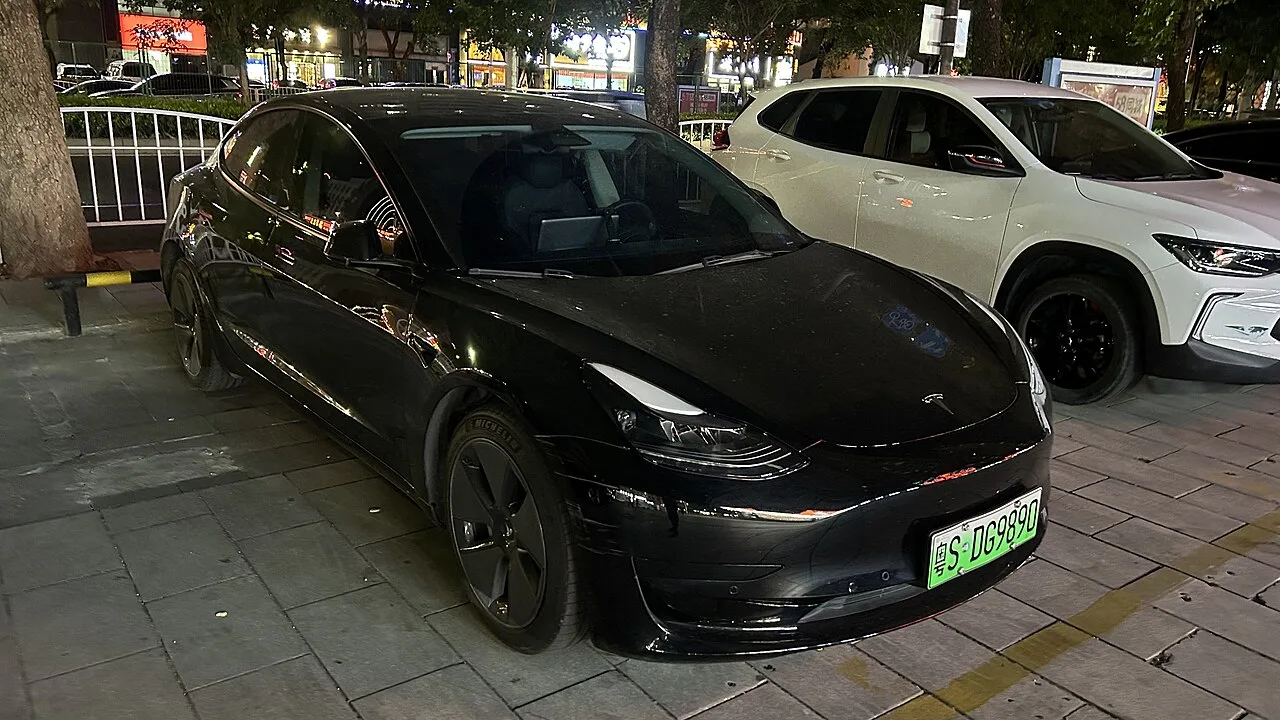
Model 3: make controls and charging part of the test drive
Use Tesla's Korean certified-consumption page for the exact trim. Model year and drive arrangement matter within the Model 3 name. A European WLTP figure or American EPA estimate should not be placed beside a Korean certified figure as though the methods matched.
A test drive should include more than acceleration. Try the controls you will repeatedly use and see whether passengers can find what they need. Locate charging points on your normal routes, then investigate access, likely waits and prices. The existence of a charging network matters less than whether its usable locations fit your own routine.
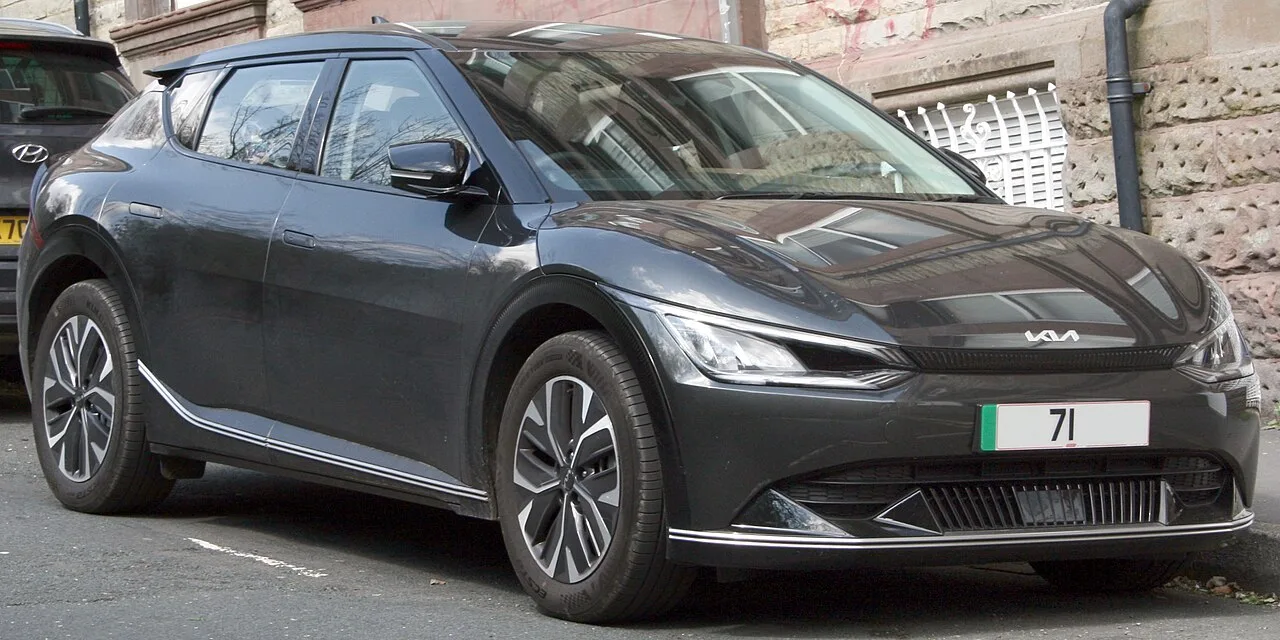
EV6: how often do you carry bulky things?
The EV6 gives this shortlist a crossover alternative. It can serve the same everyday transport purpose while offering a different loading and seating arrangement. Frequent stroller, luggage or hobby-equipment use is a reason to try real objects in the car. Looking spacious from outside does not prove that a particular load fits conveniently.
Kia describes a 400V/800V charging system and V2L in its official feature information. Check equipment and operating conditions before attaching a use case to either feature. If you rarely need external power, V2L need not dominate the decision. Fast charging also depends on charger output and battery conditions, rather than a headline time alone.
Match the range method and configuration
Long-range rear-wheel drive and all-wheel drive, or different wheel sizes, should not be silently interchanged. Compare exact Korean-certified trims and identify whether a number is combined, urban or highway range. We have not driven all three over a common route in common weather and do not invent a winter-range ranking.
Map the ordinary week before the longest annual trip. Commute distance, available home-charging time and the frequency of long journeys help establish the reserve you actually need. A building charger that is usually occupied or restricted changes daily ownership as much as a battery figure can.
Separate purchase cost from running cost
Build the quote from the actual trim, options, registration-related costs and an insurance estimate. Subsidies require checking residence, eligibility, available funding and the current vehicle notice. Someone else's earlier award is not a guaranteed discount for every current buyer. Promotions and financing belong in the final written quote.
For running costs, use the slow- and fast-charging prices you expect to pay and your actual mileage. Include insurance, tires and any charging equipment. “Electricity is cheaper” is not a complete ownership calculation. Likewise, assess driver-assistance features by their operating conditions and the driver's responsibilities rather than treating them as an autonomous-driving promise.
Our three picks
- Selection noteHyundai Ioniq 6
Check the sedan’s seating and trunk against an exact Korean trim.
- Selection noteTesla Model 3
Check Tesla controls and charging locations against your routine.
- Selection noteKia EV6
Investigate the crossover loading arrangement for bulky equipment.
Side by side
| Criterion | Hyundai Ioniq 6 | Tesla Model 3 | Kia EV6 |
|---|---|---|---|
| Body perspective | Sedan | Sedan | Crossover |
| Configuration check | Korean year and battery | Korean year and drive | Korean year and drive |
| Luggage test | Trunk opening and real bags | Trunk opening and real bags | Bulky load and seat arrangement |
| Charging check | Home, work and travel routes | Usable points on your routes | 400V/800V operating conditions |
| Range basis | Matching Korean certification | Matching Korean certification | Matching Korean certification |
| Test-drive emphasis | Back seat and entry | Controls and charging routine | Loading and useful V2L |
| Quote basis | Options, insurance, subsidy terms | Options, insurance, subsidy terms | Options, insurance, subsidy terms |
Where we would start
If a sedan suits you, try the Ioniq 6 and Model 3 close together; if bulky luggage is frequent, include the EV6. First establish the charging arrangements at home and work. Looking at the parking space before the contract may change daily ownership more than a small difference between certified range figures.


