A day in Seoraksan can mean a valley walk, a waterfall outing or a sustained climb for a rock-top view. Those are different commitments, even when they begin around Sogongwon. These three destinations make a useful shortlist. This guide draws on official park and tourism information; it is not a timed account of walking all three routes.
Biseondae: make the valley the destination
Biseondae is a large rock formation in Cheonbuldong Valley, framed by substantial rock walls. It is the first option to investigate if a summit is not necessary for a satisfying day. Leave room to stop beside the scenery rather than treating every pause as a delay. Put Biseondae itself on the plan as the turnaround point; continuing toward Geumganggul or farther into the valley changes the outing.
A relatively approachable start does not make the entire route an accessible, paved promenade. Think about your companions' comfort on uneven ground and small changes in level. For children or older relatives, agree that turning back before the named destination is acceptable. The useful measure is whether everyone has enough energy for the return. A photograph is a poor reason to convert an enjoyable walk into an uncomfortable obligation.
Biryong Falls: do not quietly add the viewpoint
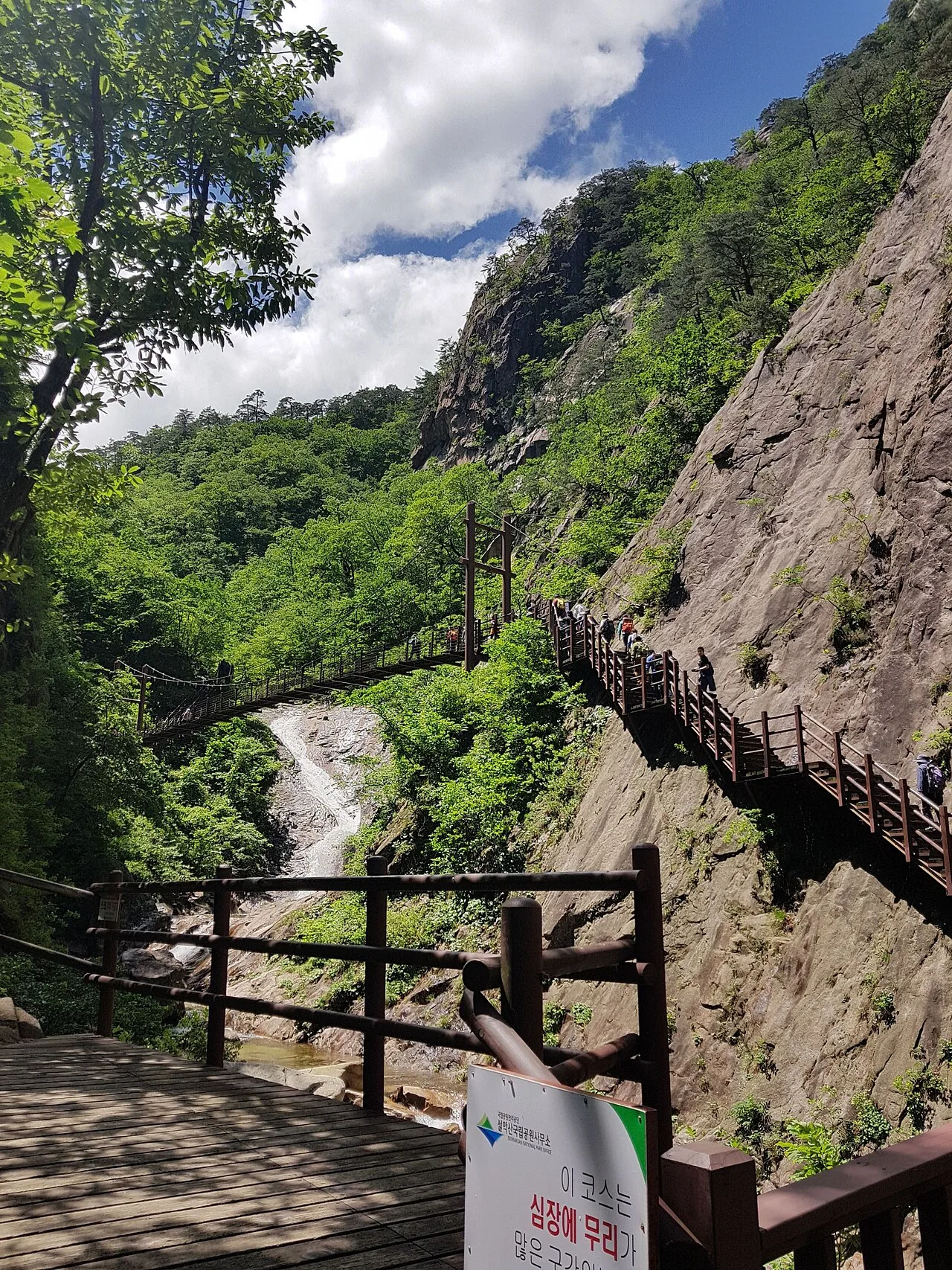
Biryong Falls gives the outing a clear destination: reach the waterfall, spend time with the scene and return. It is worth considering when flowing water interests you more than a high panorama. The walk still belongs to the mountain, however. Footing and changes in level deserve attention; the word waterfall does not promise a flat approach. Choose footwear with the actual path in mind rather than the short distance it may appear to cover on a phone.
Separate Biryong Falls from the Towangseong Falls observation point. A park course listing or another visitor's travel time may include the additional destination. Using that figure for a falls-only outing muddles the comparison, and treating the extension as an automatic extra can underestimate the work. Mark the intended turnaround on the map. Consider the viewpoint as another decision, after checking the current route information, rather than something to add because the group still has enthusiasm.
Ulsanbawi: plan a climbing day
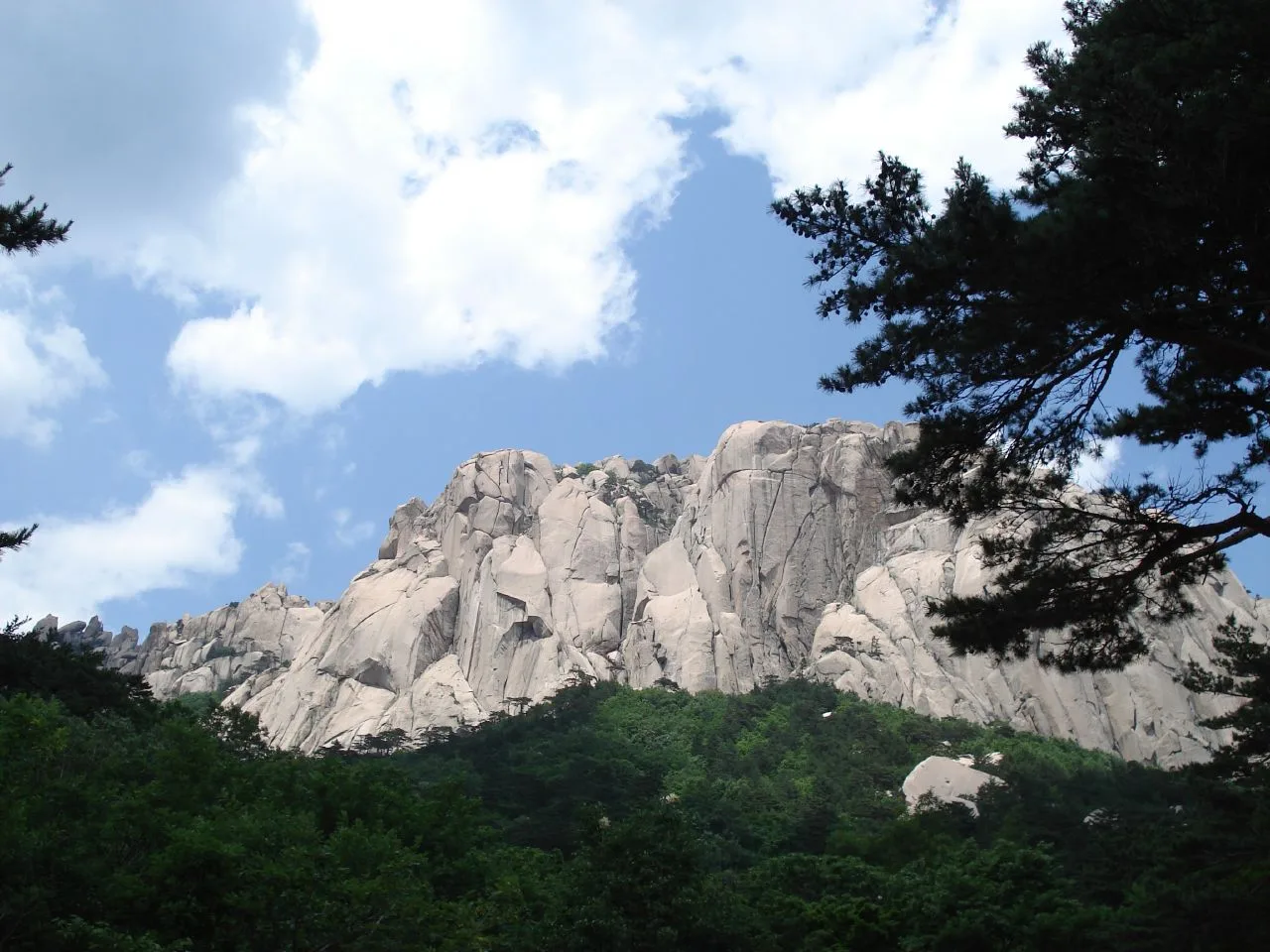
Ulsanbawi is the option we would choose specifically for the rock panorama. The approach through the Heundeulbawi area leads into climbing and stairs, so it needs a different plan from a casual walk followed by a café. A beautiful image is not enough to recommend it to somebody who dislikes sustained ascent. If descending stairs already troubles your knees, assess the return as carefully as the climb.
Weather changes what the effort buys. Cloud can hide the expected view, and exposed conditions can change the decision to continue. Treat current weather and park controls as reasons to adjust the plan, even if the summit photograph was the original goal. The historical image accompanying this guide is not a promise of today's visibility. Leave enough time for descent and the journey onward, rather than measuring the day only by reaching the top.
Compare times only when the endpoints match
A two-hour account and a four-hour account are useful only when their starting points, endpoints and one-way or return measurements agree. Parking, the approach to Sogongwon, meals and photography may be missing from a quoted time. We have not fixed an unverified round-trip duration here. Consult the current park course guide, then add realistic pauses for your own group. Bus departures belong in the schedule separately from walking time.
Completing one route does not obligate you to attempt another. At the first return, reassess remaining daylight, energy and transport. A longer stay beside one good scene can be more satisfying than collecting two destinations in a hurry. If dinner in Sokcho is already booked, work backward from when you need to leave the park. Choose a turnaround that fits that constraint, instead of expecting the rest of the day to absorb an optimistic hiking estimate.
Check before leaving, then keep deciding
Check weather, trail controls and transport the day before, and read the park notices again that morning. A trail's usual availability does not establish that it is open on your date. Seasonal entry times and signs on the ground take precedence over an old travel account. This shortlist does not recommend bypassing a closure. Select a different permitted route or a shorter outing when the information changes.
On the walk, wet surfaces, the slowest companion and remaining energy are sensible reasons to revise the destination. If photography takes longer, shorten the outing rather than pushing the return later. Bring water, a little food and clothing suited to the day's rain and wind. The point is to equip the return journey, not to collect an impressive gear list. All three choices end with the same practical task: getting the whole group comfortably back.
Our three picks
- Selection noteBiseondae
Start here when a valley outing is the goal.
- Selection noteBiryong Falls
Choose the falls explicitly as your turnaround.
- Selection noteUlsanbawi
For a day planned around ascent, stairs and a rock view.
Side by side
| Criterion | Biseondae | Biryong Falls | Ulsanbawi |
|---|---|---|---|
| Destination | Valley rocks and walls | Waterfall | Rock panorama |
| Plan around | Time with the scenery | Falls-only return | Ascent and descent |
| Separate extension | Geumganggul | Towangseong viewpoint | Stick to the planned turn |
| Companion check | Uneven ground | Wet footing and levels | Stairs and knee comfort |
| Time comparison | Start and return distance | Falls versus viewpoint | Rest and descent included |
| Weather affects | Valley path condition | Waterfall approach | Visibility and wind |
| Before setting out | Current controls and hours | Current controls and hours | Current controls and hours |
Where we would start
For a first visit with an uncertain walking pace, we would investigate Biseondae first. Pick Biryong Falls for a waterfall outing, and Ulsanbawi when the climb is part of the attraction. Your available time and legs settle the choice more usefully than a universal ranking. Keeping the falls and the Towangseong viewpoint separate already makes the plan clearer.

