A single price bracket hides a lot here. Storage, sales region, tax and exchange rates change the bill, while using an imported phone in Korea adds a different set of questions. These are three 2025-generation candidates, not a ranking of every current Android phone. We have not established a live Korean lowest price for each.
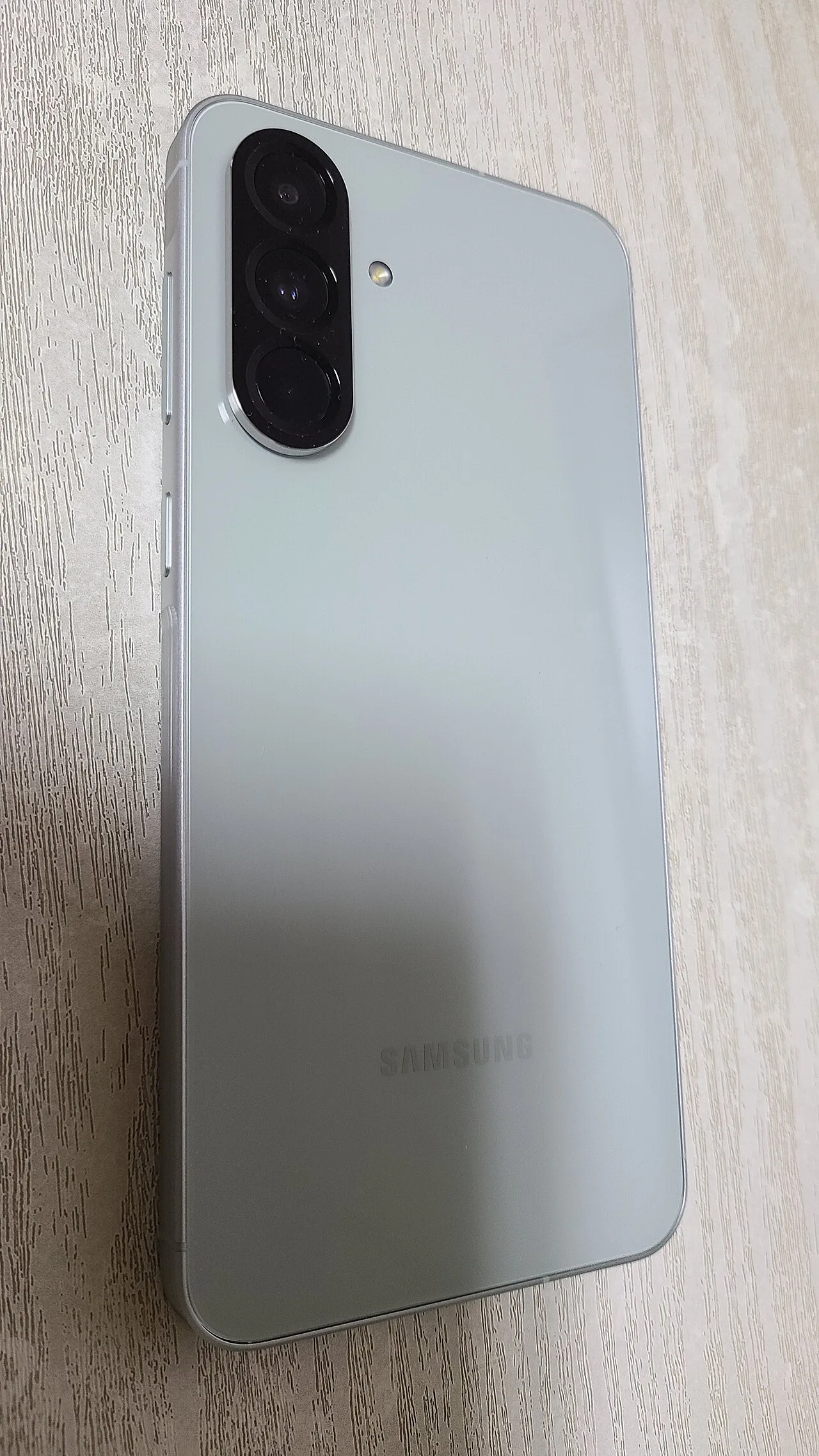
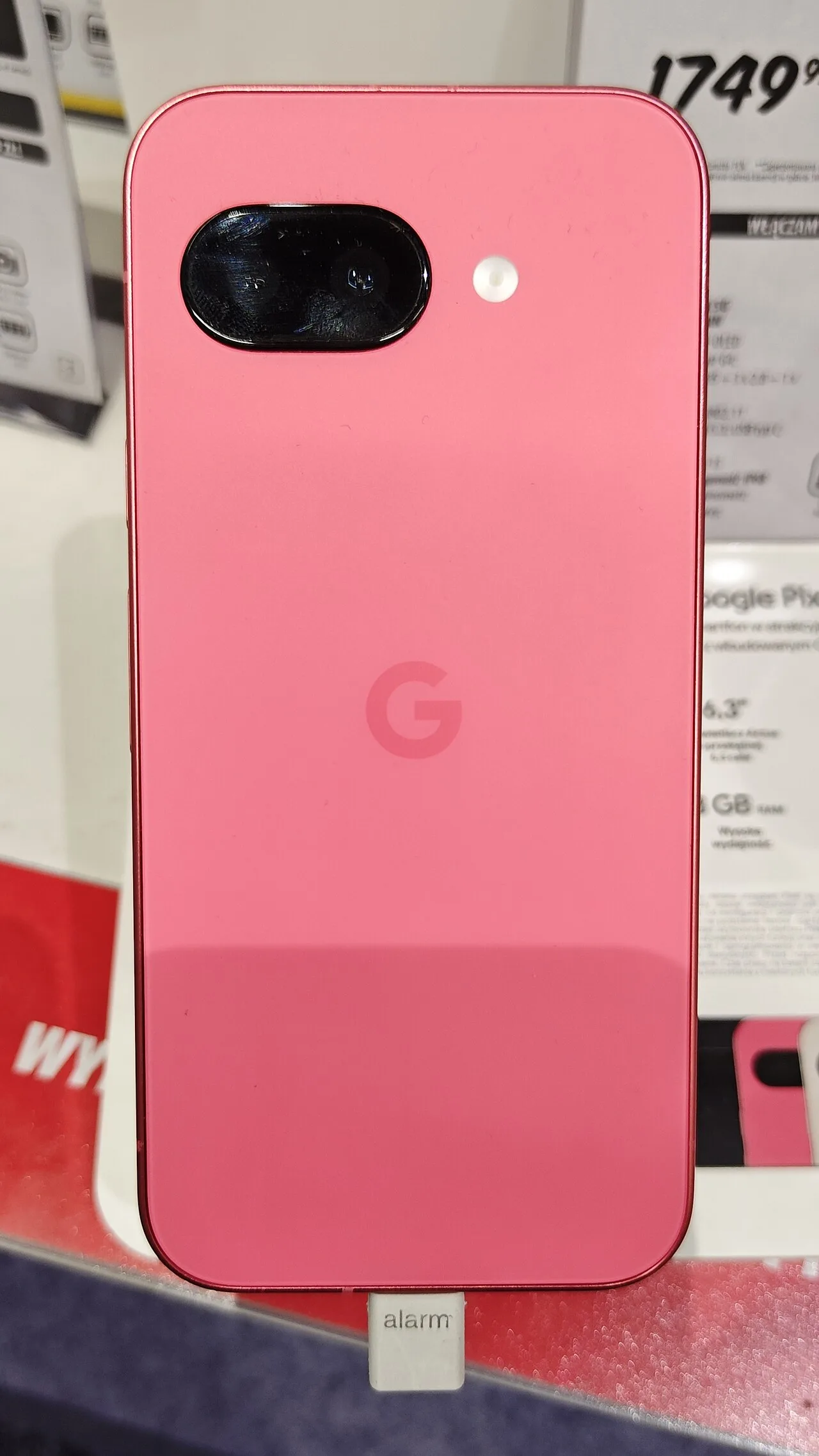
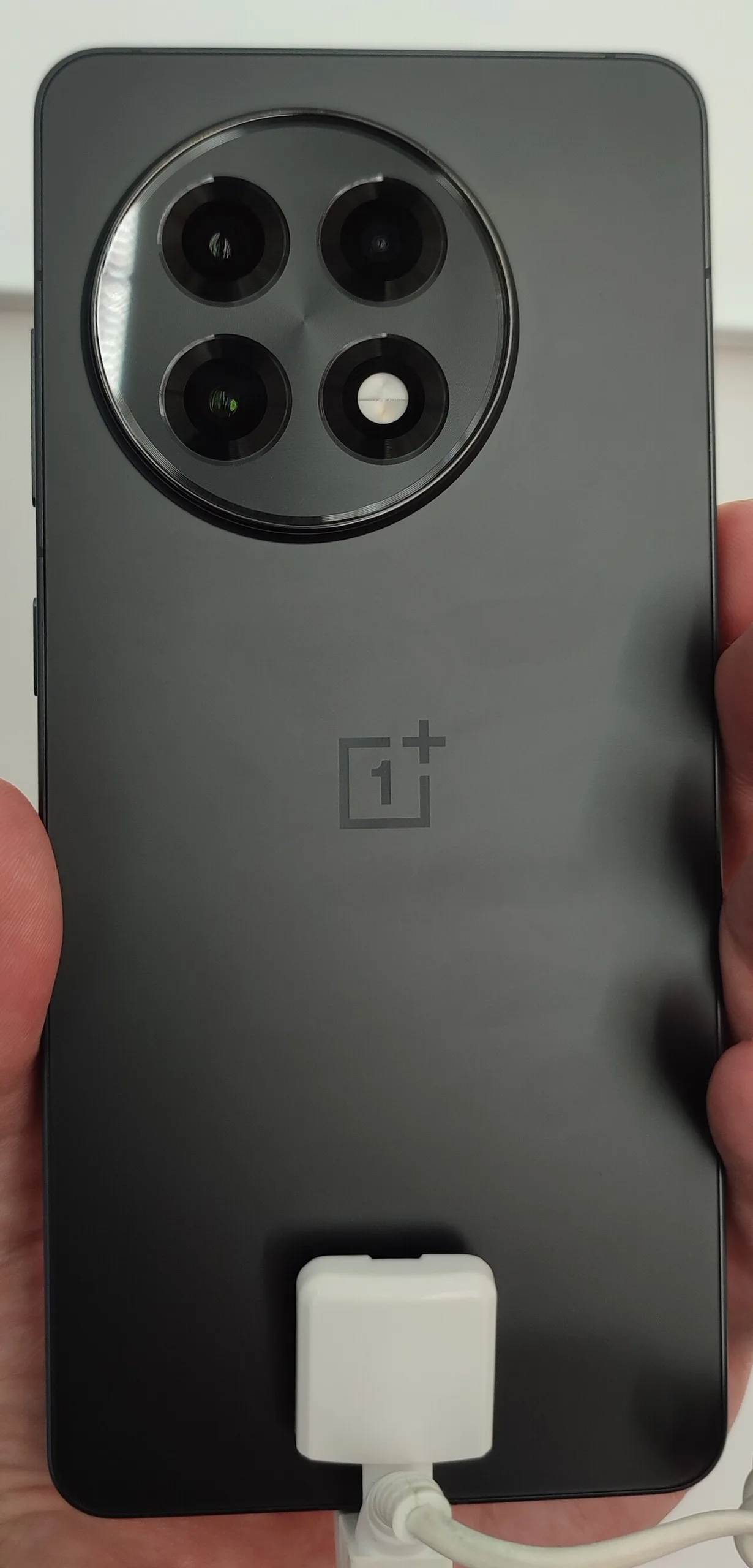
Galaxy A56: familiarity is a real benefit
The A56 uses an Exynos 1580, and Samsung announced up to six generations of OS upgrades and six years of security updates. A buyer who already understands One UI may value keeping the same notification, settings and photo-management habits. That is a practical advantage without being a claim of class-leading gaming performance.
Samsung's regional specification lists a 5,000mAh battery and up to 45W charging. The charger and cable still matter. More importantly for a Korean buyer, an overseas A56 should not automatically be treated as a locally distributed Galaxy with identical support. Check the model code rather than assuming a familiar brand guarantees the local service arrangements you want.
Pixel 9a: read the support clock correctly
Google uses Tensor G4 in the Pixel 9a and promises seven years of OS, security and Pixel Drop updates. The clock is tied to first availability, not restarted on the day you buy old stock. Compare the remaining period when shopping, especially if keeping the phone for several years is the main reason for choosing it.
Its relatively smaller format also gives it a reason to stay on the shortlist. For Korea, however, establish who handles repairs and returns and how your carrier supports the specific imported version. Google-branded software does not guarantee every feature in every country. If an AI feature is doing the selling, verify its language and regional conditions separately.
OnePlus 13R: extra performance headroom
The 13R combines Snapdragon 8 Gen 3 with a 6,000mAh battery; its specification also includes a 2x telephoto camera. That is an interesting package for games, multitasking or someone who actually uses modest optical zoom. We have not benchmarked frame rates, sustained heat or camera processing, so the components are reasons to investigate rather than measured victories.
Think about size as well. A larger display and battery can be appealing on a desk yet less welcome in a pocket all day. Regional charging bundles, carrier behavior and repair coverage belong in the purchase decision. For someone who needs a straightforward domestic repair counter, the effort required to establish these details has a cost of its own.
Three questions before importing
Start with the exact model code. Similar names can conceal regional differences in network support or software. Next, check voice and data compatibility with your intended Korean carrier. Matching a 5G band does not by itself establish VoLTE behavior or every supplementary service. A written answer from the seller is more useful than a vague compatibility badge.
Finally, trace the repair route. Ask the manufacturer's local service operation what it will accept and the seller what it actually guarantees. A discount without clear coverage is not directly comparable with a locally supported purchase. These are questions about the individual listing, not a blanket claim that every unit of a brand behaves identically.
Compare the bill and the photos you really take
Camera megapixels cannot settle moving-subject or low-light performance. Find comparable originals for the scenes you use most, or try those scenes yourself. A telephoto camera matters less if nearly every picture you take is at the default wide view.
Price all three at the same storage capacity and include tax, shipping, a required charger and likely return costs. Add the remaining update period beside that total. This guide deliberately avoids invented Korean street prices and benchmark scores: narrowing the field with verifiable conditions is more useful than a precision-looking table built on incompatible listings.
Our three picks
- Selection noteGalaxy A56 5G
Familiar Galaxy software and a long announced support policy.
- Selection noteGoogle Pixel 9a
Google’s update commitment and a relatively smaller device.
- Selection noteOnePlus 13R
Performance-oriented hardware, if the import arrangements work.
Side by side
| Criterion | Galaxy A56 5G | Google Pixel 9a | OnePlus 13R |
|---|---|---|---|
| Processor | Exynos 1580 | Tensor G4 | Snapdragon 8 Gen 3 |
| Specified capacity | 5,000mAh | 5,100mAh | 6,000mAh |
| Support check | Up to 6 OS generations; 6 security years | 7 years from first availability | Check regional policy |
| Software question | Do you prefer One UI? | Regional Pixel features | Does OxygenOS suit you? |
| Camera question | Compare familiar scenes | Compare familiar scenes | Will you use 2x telephoto? |
| Korean purchase check | Overseas SKU and warranty | Carrier and importer support | Carrier and importer support |
| Price basis | Equal-storage total cost | Equal-storage total cost | Equal-storage total cost |
Where we would start
For someone unwilling to investigate overseas support, a locally sold Galaxy deserves consideration beyond this shortlist. Among these three, the A56 offers familiarity, the Pixel offers Google’s support proposition, and the 13R offers hardware headroom. Decide whether the saving is worth the service and compatibility questions before deciding which spec wins.


