Blueberries can be an optimistic purchase: a large pack promises a week of breakfasts, then waits behind everything else in the refrigerator. Choosing a different form may help more than buying an even larger pack. We reviewed buying and storage guidance from the US Highbush Blueberry Council on October 3, 2026. This is desk research, not a tasting or a nutritional ranking. The question is which form you are likely to finish.
Fresh
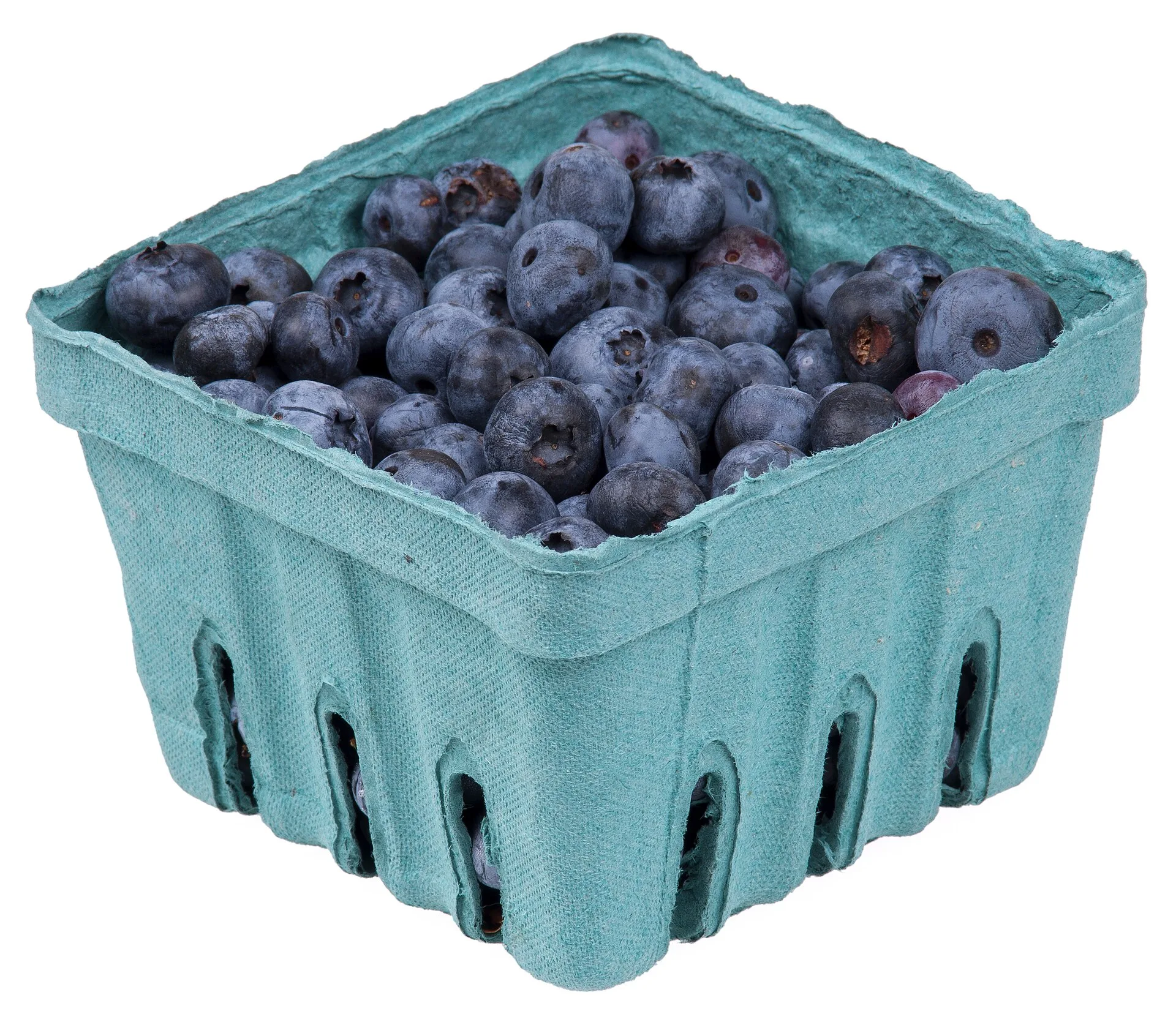
Fresh blueberries are my first candidate for someone who wants to eat the fruit itself. The council suggests looking for firm, dry, plump berries and explains their silvery surface bloom. Check the condition of the actual pack, including moisture and crushed fruit, rather than deciding from the variety or origin alone. An attractive label cannot tell you how these particular berries have arrived.
The storage advice is to refrigerate them and wash before eating. Plan the quantity around real breakfasts, including the other fruit already in the fridge. Buying a smaller pack can be sensible when you are trying the habit for the first time. Fresh fruit is appealing when you have a near-term plan to eat it, but that plan deserves as much attention as the price per pack.
Frozen
Frozen blueberries are a strong candidate for recurring smoothies or baking. The council discusses those uses, and the practical attraction is being able to take the amount needed for a recipe. Someone who cooks with blueberries occasionally may find a freezer ingredient easier to manage than a succession of fresh packs. This recommendation concerns the routine in the kitchen, not superior nutritional performance.
Check freezer space and how you will reseal the opened bag. Do not buy a large bag solely because its unit price looks good. Follow the product and recipe instructions for preparation, thawing or heating. If freezing fresh berries yourself, consult the preparation guidance, including drying washed fruit. We are not assigning one storage lifetime to all products or promising that thawed berries will have the same texture as fresh ones.
Dried
Ordinary dried blueberries offer a chewy snack or topping. The council describes a cool, dry storage environment for dried fruit, but the actual package remains the authority for storage before and after opening. This form is worth considering when you want a pantry ingredient and do not want to allocate another shelf in the fridge or freezer.
Read the ingredients, added-sugar information and serving guidance. The word dried does not mean every product has the same recipe. We are comparing ordinary dried berries here, rather than combining them with airy, crunchy freeze-dried products. They provide different eating experiences. A fresh pack and a dried bag also contain different amounts of water, so their package weights alone do not make a meaningful comparison of how you will use them.
Put the meal beside the price
Within each form, compare package size and price per unit weight. Across forms, add the quantity you actually expect to use and any storage constraints. A discounted frozen bag is not an obvious bargain if there is nowhere to keep it. A long-lasting format offers little practical benefit to someone who will happily finish fresh fruit in the next few breakfasts.
Write down a normal week: fruit eaten as it is, one smoothie at the weekend, or a small snack taken to work. Use that routine to choose the first purchase. This is an editorial way to reduce wasted food, not the result of a measured consumption study. You do not have to buy in bulk and build a new habit around the purchase.
Read labels before health headlines
These sources do not establish a health hierarchy among the three forms. Processing and added ingredients vary between products. A specific nutritional question requires looking at the specific label, and individual health concerns need suitable professional advice. We have not turned industry promotional language into a medical conclusion.
The council is an industry organisation, which is relevant context for its guidance. We used it for form, buying and storage information. Taste will still vary between actual packs, so a modest first purchase is a reasonable starting point. The table records kitchen uses and checks to make, rather than scores for nutrition, flavour or longevity.
Our three picks
- FreshFresh
Choose when you plan to eat the fruit soon
- FrozenFrozen
Keep a cooking ingredient to portion as needed
- DriedDried
Check the recipe and storage label for a snack or topping
Side by side
| Compare | Fresh | Frozen | Dried |
|---|---|---|---|
| Kitchen role | Fruit to eat directly | Smoothies and baking | Chewy snack or topping |
| Storage starting point | Refrigerator | Freezer | Package’s cool, dry guidance |
| Preparation | Wash before eating | Follow product and recipe | Portion what you need |
| Before buying | Firmness, moisture, damage | Bag size and freezer space | Ingredients and added sugar |
| Trade-off | Needs an eating plan | Requires freezer capacity | Recipes vary by product |
| Common confusion | Bloom versus pack condition | Expecting fresh texture after thawing | Dried versus freeze-dried |
| Our deciding factor | Near-term consumption | Recipes you repeat | Snack quantity and label |
Our choice
For daily fruit, I would begin with a small fresh pack. For regular smoothies or baking, I would start with frozen. For a chewy snack, I would read the dried product’s ingredients before buying. These choices can coexist in one kitchen. The useful purchase is the amount and form you will actually eat, rather than the largest pack with the most ambitious promise.
