A bakery display is easier to navigate when dinner comes first. Will the bread hold a filling, sit beside soup, or be shared in the middle of the table? We compared sandwich bread, baguettes and focaccia using official King Arthur Baking recipes as examples. This is desk research checked on October 4, 2026, not a baking test or a review of a particular bakery. One recipe illustrates a type; it cannot establish the ingredients of every loaf sold under that name.
Sandwich loaf
King Arthur’s classic sandwich bread is an example of a pan loaf made with milk and butter or vegetable oil. Its introduction presents a soft bread for sandwiches and toast. For a repeated weekday breakfast, this is where I would begin. Individual slices make it easy to picture the amount of filling and the number of servings. Having a familiar shape can also reduce the work of deciding on a completely new meal each morning.
The name does not guarantee identical ingredients or texture. Check the particular product for whole-grain content, fats, sugars and allergens. We have not ranked this loaf as healthier or longer-lasting than the other breads. Compare the pack size with the number of slices you expect to eat, then follow its storage instructions. A larger bag is not automatically the more useful purchase.
Baguette
The official classic baguette recipe produces a long loaf. At the table, the useful question is whether you want to slice bread alongside another dish. With soup or stew already planned, I would look here before shopping for a sandwich loaf. Cutting requires a little preparation, but it also lets you divide the loaf into the portions you want. Ask the bakery about the crust and crumb rather than treating the name as a complete texture description.
Its length can be both appealing and inconvenient. Consider carrying it home, the space on the table and whether the shop offers it cut. Follow the actual packaging guidance; this article does not promise that every baguette stays crisp for a fixed number of hours. Thinking separately about tonight’s portion and tomorrow’s leftovers is more helpful than buying solely because the loaf looks impressive.
Focaccia
King Arthur’s Big and Bubbly Focaccia uses olive oil in the dough, pan and topping, with salt at the finish. That is one concrete example to investigate. I would look at focaccia when the plan is to put bread in the centre and let people share. Before choosing, check the bakery’s toppings and whether they fit the rest of the meal. Bread plus a few accompaniments can be a different preparation project from filling individual sandwiches.
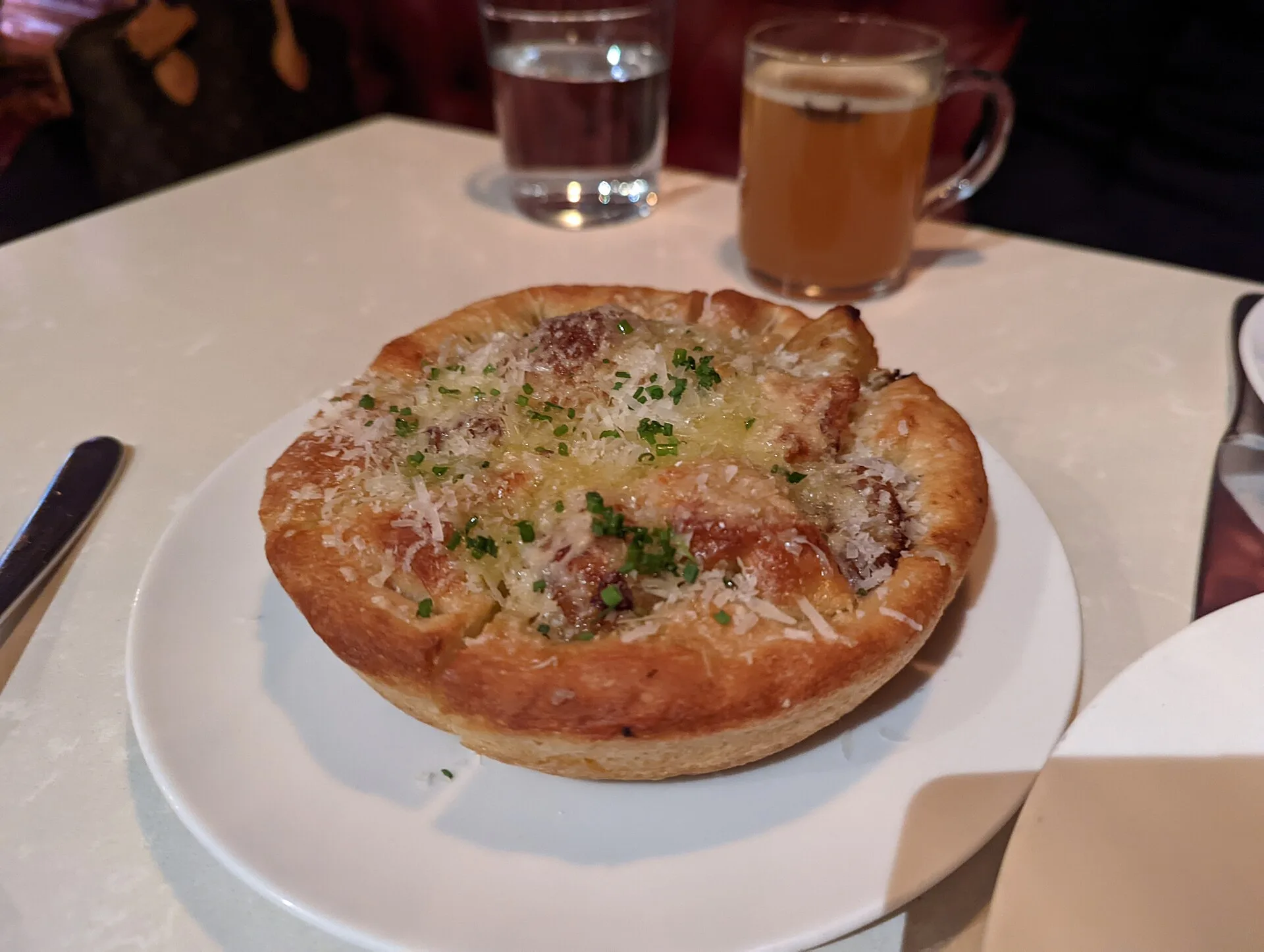
Our photograph shows a different focaccia with visible cheese and herbs. It is a reference image, not the result of the official recipe or something we tasted. Thickness and toppings also vary among shops. Do not infer nutritional figures from a general description of oil in a recipe. Read the actual ingredient information and decide whether bread is the main part of dinner or an accompaniment.
Read the ingredients
These are shapes and recipe families, not separate health grades. Within each name, ingredients, size and fillings can change. For allergies or dietary restrictions, obtain the actual product and handling information from the seller. The recipes cited here cannot replace that check. Appearance is not enough to establish whether a bread contains dairy or meets someone’s dietary needs.
Price needs a common basis too. A bag of sliced bread, one baguette and one focaccia portion may provide very different amounts. Compare weight or the people you need to feed, including the cost of accompaniments. We have not invented average prices or value scores. Use the current products in the shop you are buying from, with your intended meal in mind.
Start with tonight’s meal
For morning sandwiches, inspect a sandwich loaf first. For bread beside soup, start with a baguette. For a shared centrepiece, look at focaccia. These are editorial suggestions, not boundaries: baguette sandwiches and a focaccia lunch for one are perfectly sensible. The aim is to reduce preparation decisions rather than assign every bread an exclusive purpose.
At an unfamiliar bakery, try a manageable amount of the one that interests you. You do not need large portions of all three to make a useful choice. Keep track of whether the seller’s description matched what you wanted, and use the product’s own storage and reheating advice. The table summarises purchase checks; it contains no measured crispness, fullness or taste scores.
Our three picks
- Sandwich loafSandwich loaf
Consider for meals portioned by the slice
- BaguetteBaguette
Consider for slicing beside other dishes
- FocacciaFocaccia
Consider for bread shared at the table
Side by side
| Compare | Sandwich loaf | Baguette | Focaccia |
|---|---|---|---|
| Meal to picture | Sandwiches and toast | Alongside soup or stew | A shared table |
| Official example | Milk and fat in a pan loaf | A long classic baguette | Olive oil in a pan bread |
| Portioning | By the slice | Cut to the portions wanted | Divide into pieces |
| Shop checks | Slices and pack size | Whole or cut availability | Toppings and thickness |
| Ingredients | Specific product label | Specific product label | Label including toppings |
| Possible drawback | Same name, different recipes | Cutting and carrying plans | Toppings affect the meal |
| Not measured | Health or storage advantage | How long crust stays crisp | Nutrition or price ranking |
Our choice
For repeated breakfasts, begin with a sandwich loaf; beside another dish, investigate a baguette; for sharing bread in the middle, look at focaccia. Finish the decision with the actual ingredients and amount you will eat.
