A big fruit picture is not enough to identify what is inside a bottle. Start with orange, apple or tomato, then read the actual product label. This guide draws on university Extension material and manufacturers’ ingredient pages checked on October 9, 2026. We did not taste three brands. The aim is to make a first purchase easier, rather than declare one juice the healthiest or the best.
Orange: decide what you want from the glass
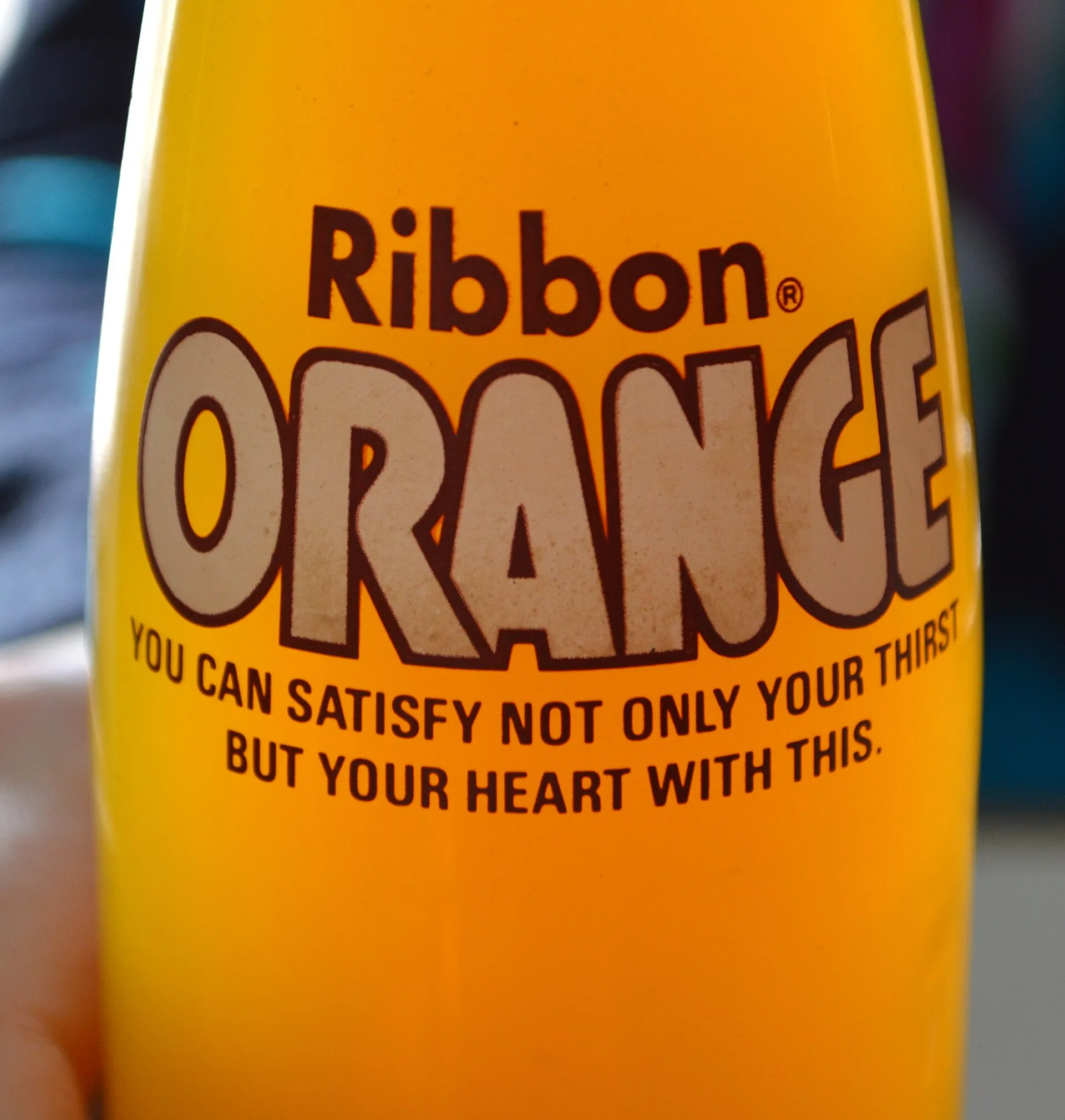
Orange is the straightforward starting point when citrus is what you want to drink. Read the juice description and the pulp information together. Tropicana distinguishes its 100% juice products and no-pulp options; the label on a particular imported bottle remains the place to check its contents.
My suggestion is to decide whether pieces of pulp are welcome before choosing the biggest promotion. The drawback of the broad orange category is that it leaves that preference unresolved. A deep yellow photograph cannot tell you how sharp or fragrant the delivered product will seem. Try a small bottle with a meal you normally eat, then decide whether this is something you want to keep buying.
Apple: check whether apple is the whole story
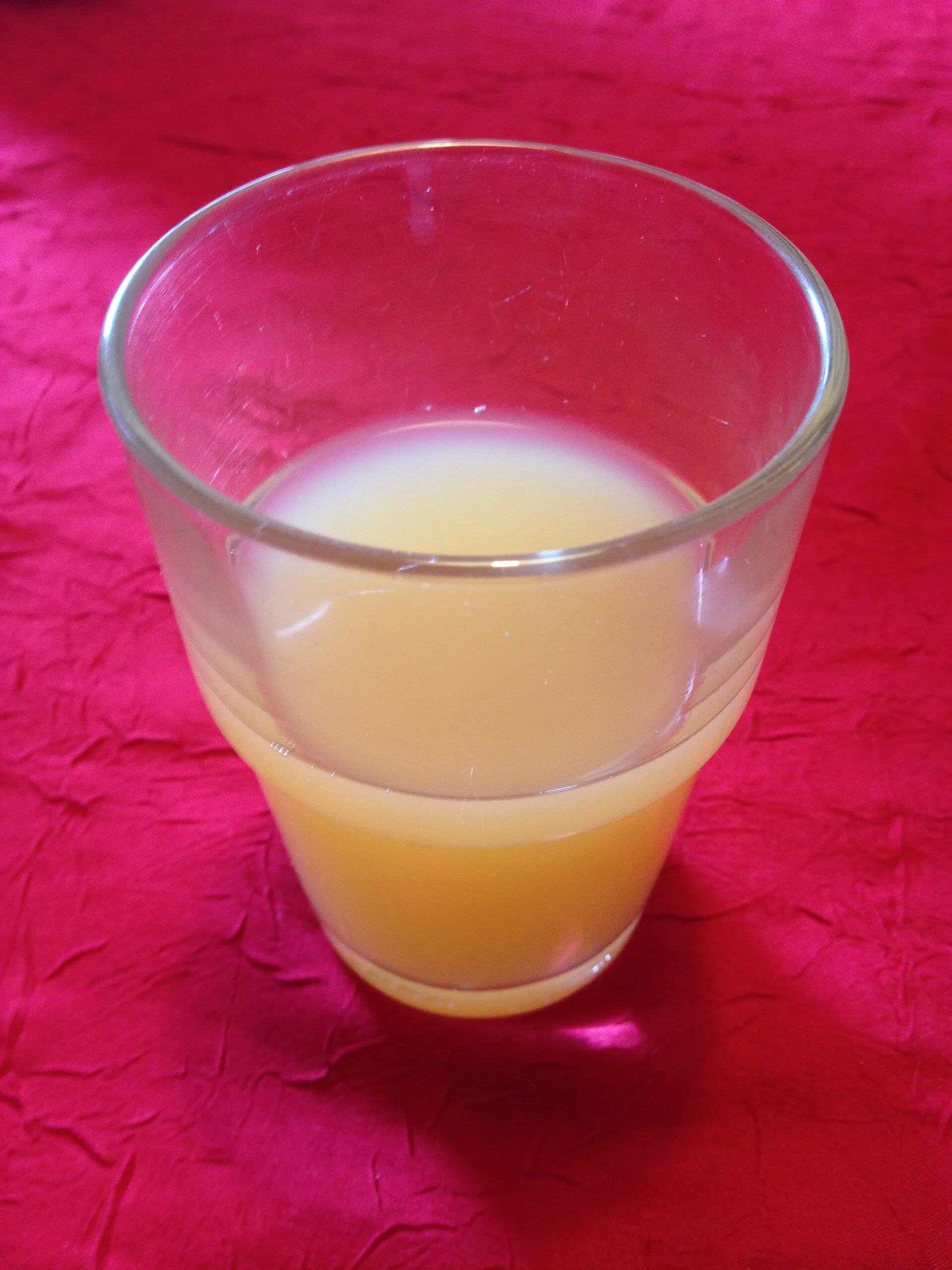
An apple on the package does not settle the question of blending. Martinelli’s lists apple juice and vitamin C for the product linked below. That is an example of an ingredient list to read, rather than a reason every household should buy that brand. This comparison concerns bottled drinks, not the apple varieties in our earlier fruit guide.
Apple earns a place when its flavor is the one you actually want. Look at whether the product is clear or cloudy and whether other fruit is included. Clear appearance alone cannot establish a universal taste. If several people will share a large bottle, ask them first. A good discount on a flavor nobody repeatedly chooses is a poor use of fridge space.
Tomato: include salt in the decision
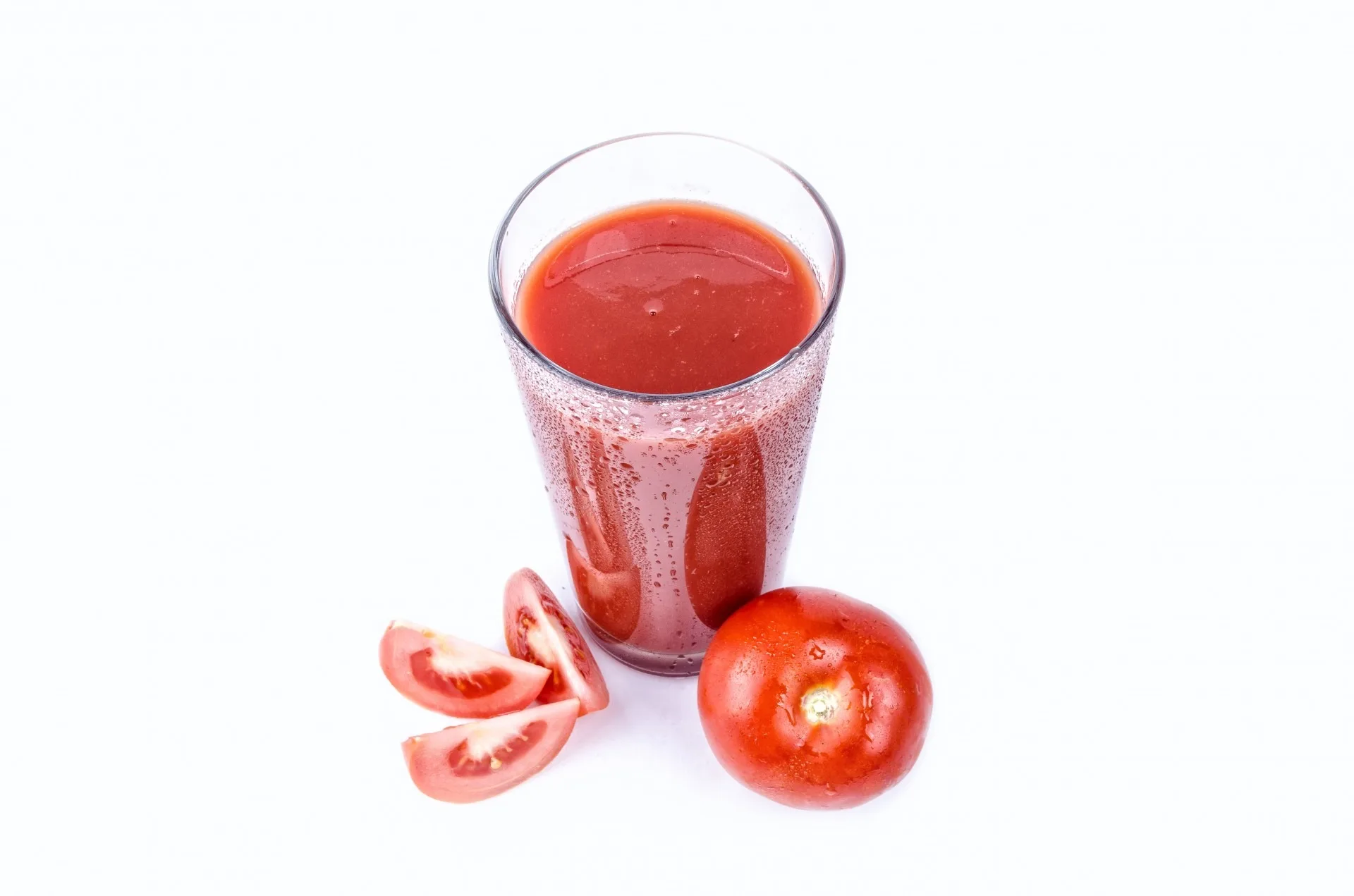
Tomato requires another label question: is salt included? Campbell’s ingredient page gives an example containing tomato juice from concentrate, salt and vitamin C. We have not copied a sodium number from that page because its low-sodium wording and displayed nutrition information are potentially confusing.
I would choose this category when tomato flavor itself sounds appealing. Its drawback is the risk of buying for someone who expected a sweet fruit drink. Read the actual ingredient list, including any vegetable blend, and begin with a modest quantity. A manufacturer’s suggested use in cooking may be interesting, but it should not persuade you to buy more than you want to drink.
Concentrate is a process description
The University of Maine explains that water removed for a concentrate is added back during production. That phrase alone does not answer whether a product has added sugar. Read the ingredients and juice description alongside it. The university’s US guidance is not a substitute for the legal product description on a Korean label.
Put prices on the same footing by comparing total cost and volume, including delivery where relevant. Then ask how much your household will use. Check the product’s instructions after opening too. This article does not establish current lowest prices or rank nutrients across all orange, apple and tomato drinks. Those comparisons require the labels of specific products and a consistent serving amount.
Leave a note for the next bottle
For a first purchase, one small bottle is a better experiment than three cases. Note whether you wanted pulp, a particular fruit aroma or a tomato flavor beside your usual meal. A short preference note can be more useful for the next order than someone else’s general popularity list.
The photographs are reference images of juice, not a tasting of the manufacturers cited in the text. The orange image shows another brand. They illustrate the categories without promising a particular product’s color, flavor or packaging. The table collects the questions worth asking before checkout so that the next decision starts with what you actually enjoyed drinking.
Our three picks
- Orange juiceOrange juice
Start with citrus and a pulp preference
- Apple juiceApple juice
Check apple content and the product description
- Tomato juiceTomato juice
Check tomato content, blending and salt
Side by side
| Compare | Orange juice | Apple juice | Tomato juice |
|---|---|---|---|
| First preference | Citrus | Apple | Tomato |
| Ingredient question | Other fruit included? | Other fruit included? | Other vegetables or salt? |
| Extra description | Pulp or no pulp | Clear/cloudy description | Actual salt information |
| Price basis | Total cost and volume | Total cost and volume | Total cost and volume |
| First purchase | Small bottle; choose pulp | Ask the people sharing it | Small bottle; try the flavor |
| Avoid assuming | Color predicts sharpness | Clear means identical taste | Tomato means unsalted |
| Research scope | Labels; no tasting | Labels; no tasting | Labels; no tasting |
Our choice
Start with orange for citrus, apple for apple flavor or tomato for tomato flavor. Then read the actual juice and ingredient information. Buy a small first bottle; let the one you want to drink again earn the space in your fridge.


