Kimchi shopping can turn into a wall of red containers. Start with what you want to put on your plate. We compared cabbage kimchi, diced radish kimchi and cabbage geotjeori using government, Korea Tourism Organization and World Institute of Kimchi material checked on October 8, 2026. This is desk research, not a tasting of three brands. The recommendations concern the type of side dish; individual recipes and delivered products will differ.
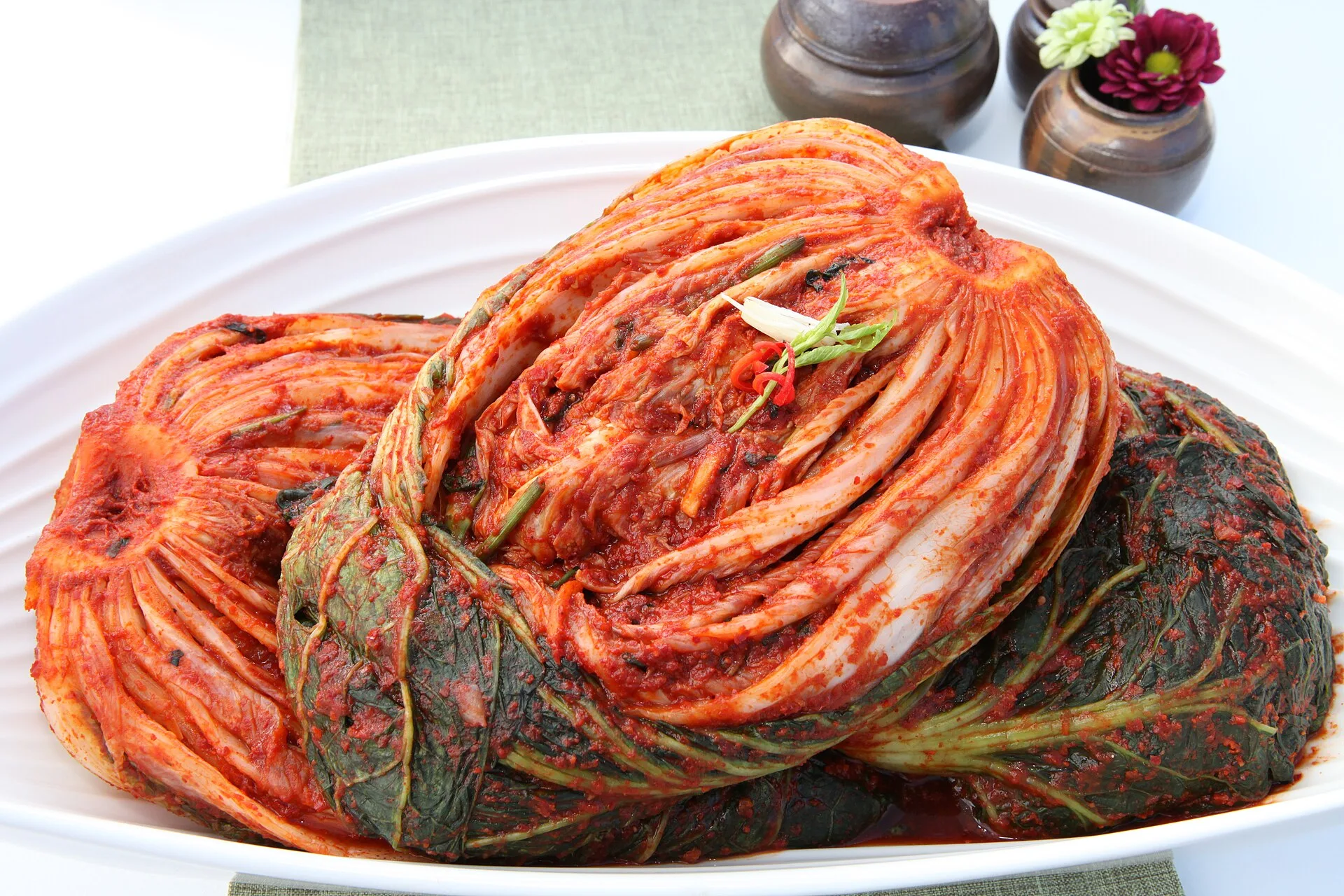
Baechu kimchi
The government recipe packs seasoning between salted cabbage leaves. This is the starting point when you want cabbage in leaf form. Look beyond the broad name: a whole-cabbage package and a ready-cut package need not arrive in the same shape. The product description and a clear contents photograph should help you identify what you are ordering.
Its appeal is familiarity, but that can also create expectations the name cannot fulfill. Ask about ripeness rather than assuming a tub will have the sourness you remember. I would begin with a smaller quantity when trying an unfamiliar seller. Buying a large discounted container first makes the experiment harder to adjust if the seasoning does not suit your household.
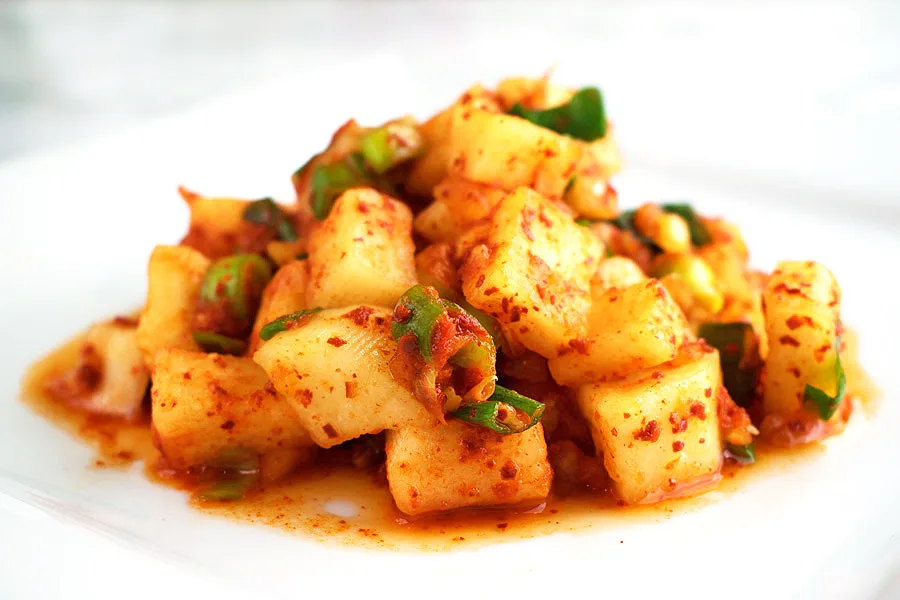
Kkakdugi
Kkakdugi changes the main vegetable to radish cut into cubes. That makes the first comparison straightforward: would you rather pick up a cabbage leaf or a piece of radish? This is a choice about the shape of the bite, not evidence of a nutritional winner.
I would shortlist it when another cabbage purchase feels repetitive. The drawback is that a photograph of neat cubes cannot establish the firmness of the actual delivery. Check the cut size and ripeness description, and compare total weight. Do not expect every seller to reproduce the particular radish kimchi you enjoyed at a soup restaurant. The type identifies a broad preparation, not one universal flavor.
Cabbage geotjeori
The Korea Tourism Organization describes geotjeori as salted cabbage mixed with seasoning and eaten straight away. Our comparison concerns cabbage geotjeori rather than fresh sides made with chives or another vegetable. It belongs on the shortlist when you want freshly dressed cabbage instead of choosing for a developed fermented flavor.
The word fresh does not tell you how a parcel was transported or how long a particular product should be kept. Follow its storage instructions and read the manufacturing and delivery information. Ingredients matter here too. A fresh preparation is not automatically mild, and a familiar red appearance does not identify every seasoning. Check the actual label when an ingredient is something you avoid.
Make the basket comparable
Choose cabbage or radish first, then consider the ripeness you are looking for. Those two decisions are more useful than ranking the containers by their packaging. If you already have plenty of ripe cabbage kimchi, a small different type may be a more interesting addition than another large tub. That is an editorial suggestion about variety on the table, not a health claim.
Compare the same total weight with shipping included. Several small containers can make a price look different from one large pack. Read ingredient and allergen information for each actual product rather than borrowing it from a general recipe. We did not establish current lowest prices or test the composition of named brands. A good comparison begins by making the offers describe the same amount of food.
Keep a useful preference note
After trying a new purchase, note what you would change next time: more cabbage leaf, a radish bite, or less developed sourness. Add the product name and the amount your household comfortably used. That gives the next order a better starting point than a vague memory that one kimchi was good.
The photographs show cabbage kimchi and kkakdugi as reference dishes. We did not obtain a verified cabbage-geotjeori photograph and have not substituted a chive salad. Color alone cannot establish a heat ranking. The table brings the practical differences together so you can choose one side dish without assigning each candidate an artificial exclusive role.
Our three picks
- Baechu kimchiBaechu kimchi
For cabbage leaves and stems
- KkakdugiKkakdugi
For diced radish
- Cabbage geotjeoriCabbage geotjeori
For freshly dressed cabbage
Side by side
| Compare | Baechu kimchi | Kkakdugi | Cabbage geotjeori |
|---|---|---|---|
| Main vegetable | Cabbage | Radish | Cabbage |
| Typical form | Seasoned leaves; cut varies by product | Radish cubes | Cut, dressed leaves |
| Preparation distinction | Seasoning packed into salted leaves | Cubes mixed with seasoning | Dressed to eat fresh |
| Why choose it | Familiar cabbage side | Change the main vegetable | Freshly dressed direction |
| Check before buying | Ripeness and cut | Cube size and ripeness | Manufacture, delivery, storage |
| Not established | Brand taste or lowest price | Delivered firmness or lowest price | Delivered condition or lowest price |
| Photograph | Reference dish pictured | Reference dish pictured | Not pictured |
Our choice
Pick baechu for cabbage leaves, kkakdugi for radish pieces and geotjeori for freshly dressed cabbage. Then check the actual product’s ripeness and quantity. Finding the side you want to eat is more useful than declaring a universal winner.

