Salt packaging often leads with words about the sea, flowers or purity. A more useful first comparison is the food category on the pack. We examined Korean solar salt, recrystallized salt and refined salt using a public-sector production primer checked on October 6, 2026. The primer was published in 2017. We have not carried its historical market figures or regulatory context into current claims. This is desk research, not a tasting or laboratory analysis.
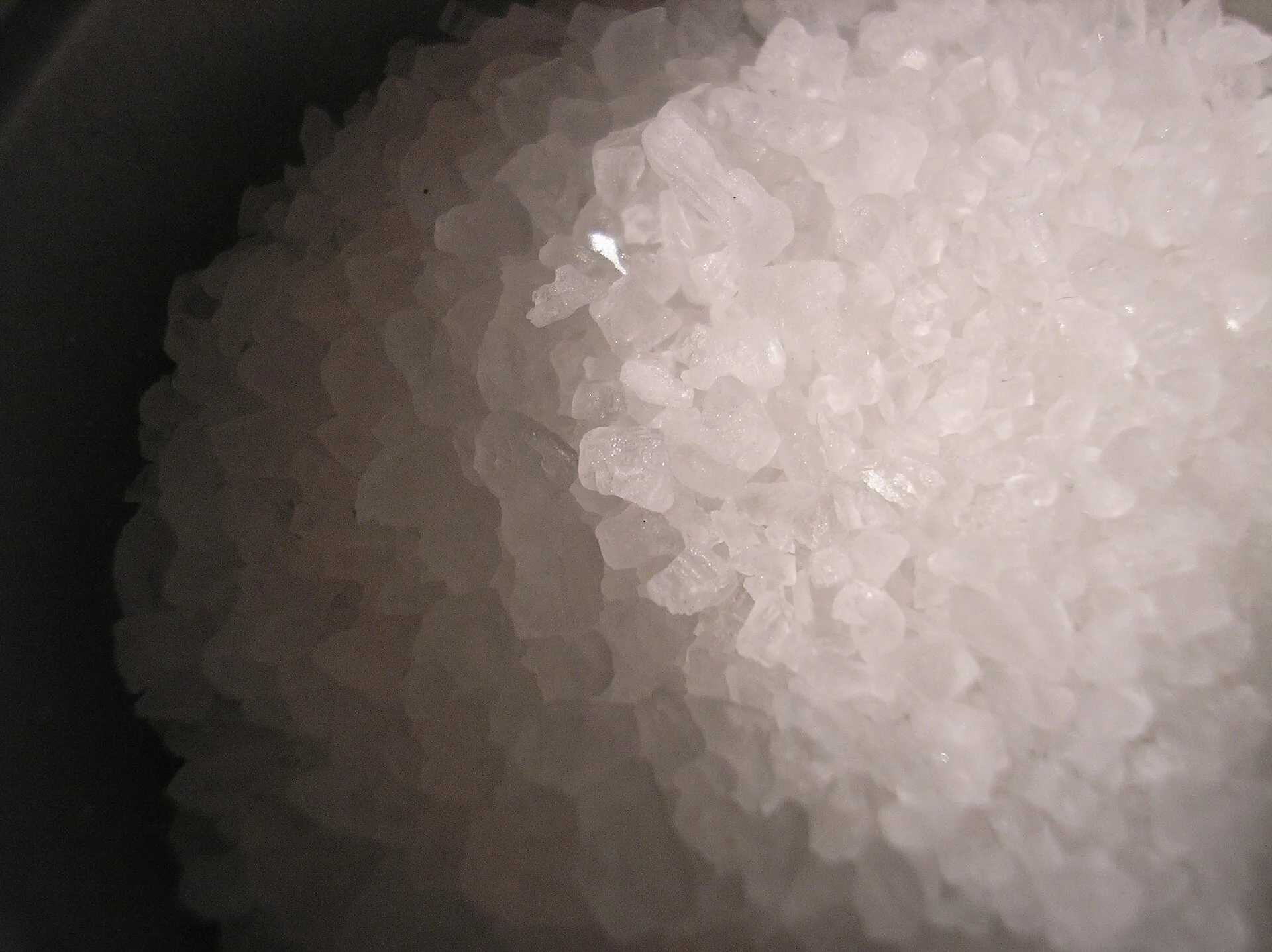
Solar salt
The public primer describes a process that evaporates water from seawater with sunlight and related natural conditions. Consider this category if its production method interests you. The category alone does not settle grain size or whether a particular product has been washed or ground. Decide whether you want salt for finishing or cooking, then inspect the actual product.
The natural image can become a shortcut around reading the label. Products sharing the category may still differ in origin, processing descriptions and pack size. I would choose a quantity I can use and store rather than beginning with a large sack. We have not established superior taste or health benefits, and have not measured the saltiness or aftertaste of a specific pack.
Recrystallized salt
The primer describes dissolving raw salt, filtering it and forming crystals again. This is a useful category to recognize when comparing manufacturing routes. A familiar sales name such as flower salt should not replace the food-type declaration on the actual pack. Familiar branding does not make ingredients or processing conditions identical across products.
I would consider one clearly identified product for repeated everyday cooking. That preference is about keeping a consistent ingredient in my notes, not a verified taste victory. Check the grain size of the product you buy. A spoonful should not automatically be treated as the same weight as a spoonful of a different salt with another crystal size.
Refined salt
The public description covers a route using concentrated or purified brine and evaporation equipment. It is another category worth reading clearly on a pack. Refined is a production description, not an automatic verdict about quality or safety. Ingredients, any additions, use instructions and the condition of the food product still matter.
The neat label can tempt you to assume a uniform specification. Grain size and processing details need checking for the actual item. If you change products, revisit the recipe and measurement rather than transferring the previous spoon count without thought. We are not ranking these categories nutritionally or determining an individual sodium allowance.
A spoon is not a weight comparison
If a dish changes after switching salt, write down the product and amount before blaming the category. Crystal size and how you fill a spoon affect a volume measure. I would record the recipe and weight alongside the full product name. A kitchen scale can provide a consistent weight reference; that is not a claim that different products at the same weight must taste identical.
Soy sauce, seasoning blends and other ingredients also make it hard to isolate the effect of one salt. Do not turn one meal into a permanent ranking of three categories. Start with a familiar dish and one food-grade product, then change one variable next time. A person who has tasted the result can keep those observations; we have not invented them for this research article.
Read the back before buying the bundle
My shopping notes would include food type, ingredients and additions, origin information, net weight and storage instructions. This is a practical reading list, not a complete statement of current labeling law. Check that you are buying an edible product. Bath and de-icing products also use the word salt but are not substitutes for a kitchen ingredient.
Compare prices on the same weight basis after considering how much you will use. A larger bundle can offer a lower unit price without being the right quantity for your kitchen. We have left taste, mineral and health scores out of the table. Understand the production route through the source, then judge a real food product in the context of the cooking you actually do.
Our three picks
- Solar saltSolar salt
Explore seawater evaporation
- Recrystallized saltRecrystallized salt
Recognize dissolution and recrystallization
- Refined saltRefined salt
Explore the refined-brine production route
Side by side
| Compare | Solar salt | Recrystallized salt | Refined salt |
|---|---|---|---|
| Production summary | Evaporating seawater | Dissolution, filtration, recrystallization | Refined or concentrated brine evaporation |
| Starting question | Is this route what I want? | Is this the declared category? | Is this the declared production type? |
| Grain size | Check the actual product | Check the actual product | Check the actual product |
| Cooking comparison | Record product and weight | Record product and weight | Record product and weight |
| Trade-off | Natural imagery can replace label reading | Sales names can hide product differences | Refined can be mistaken for a quality ranking |
| Shopping information | Ingredients, origin, weight, storage | Ingredients, origin, weight, storage | Ingredients, origin, weight, storage |
| Not assessed here | Taste, laboratory composition, health ranking | Taste, laboratory composition, health ranking | Taste, laboratory composition, health ranking |
Our choice
I would choose a clearly labeled food product I can use consistently before chasing the most appealing name. These three categories explain manufacturing routes. The next decision belongs to the actual grain size, pack and recipe. A repeatable everyday cooking choice is more useful than declaring one type universally best.
