Noise-cancelling headphones all promise quiet. After spending the money, though, weight or an awkward connection can be the reason you leave them at home. This guide compares Sony WH-1000XM6, Bose QuietComfort Ultra Headphones 2nd Gen, and AirPods Max 2 using official information checked on October 1, 2026. It is a buying shortlist built around practical conditions, not a same-room measurement of sound quality or noise cancellation.
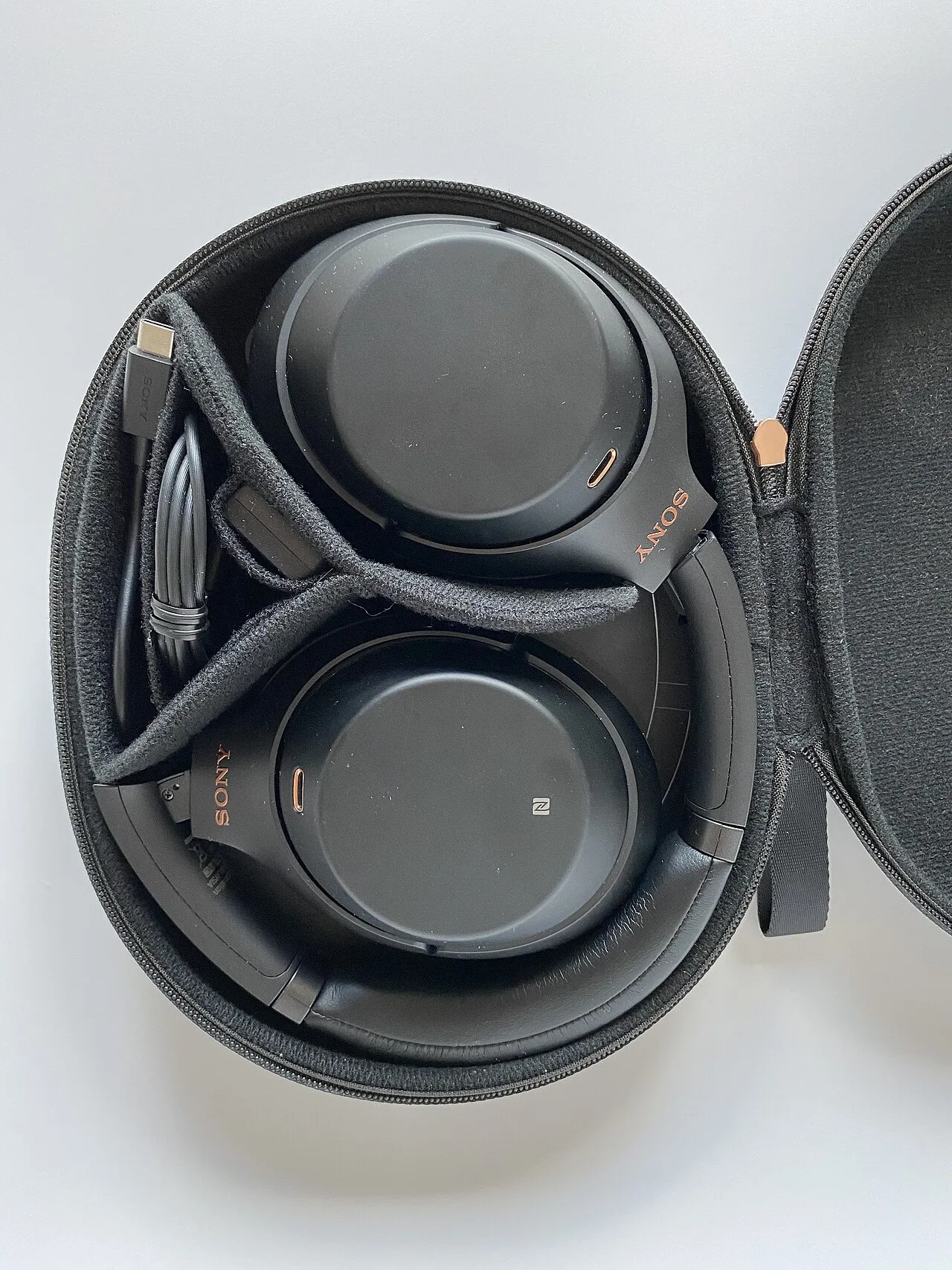
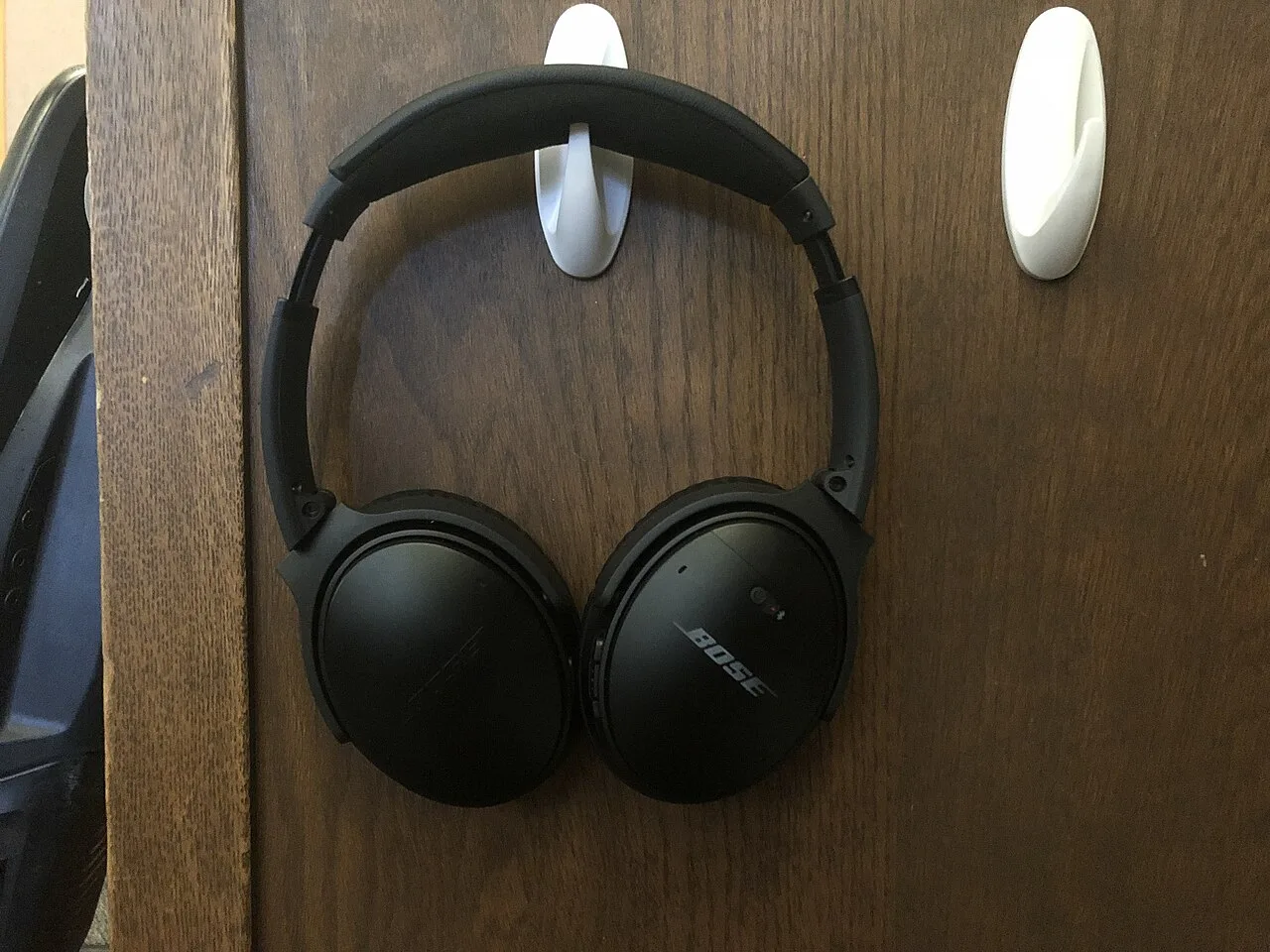
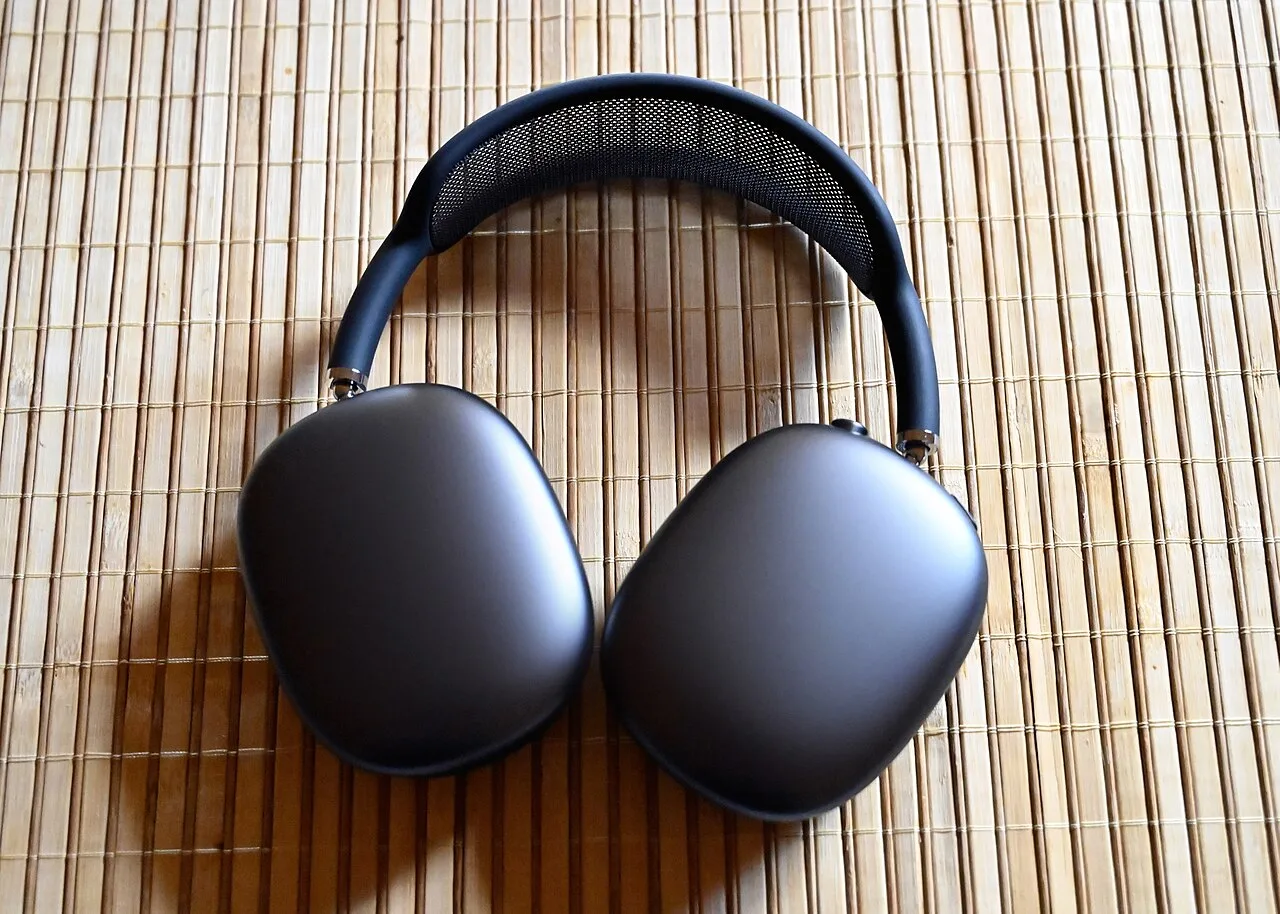
Sony XM6: Start here for a mixed-device routine
Sony lists up to thirty hours of music playback with noise cancellation enabled and supports multipoint connections. Its wireless codec list includes SBC, AAC, LDAC, and LC3. Those are useful starting points for someone moving between a laptop and phone, or using LDAC on a compatible Android device. A supported codec is not a promise that every phone can use it.
Wired audio uses a stereo mini-jack; USB is for charging rather than USB digital audio. A USB-C socket alone does not tell you what a headphone can receive through it. That matters if your desk plan is one cable carrying computer audio. Sony's listed weight of about 8.96 ounces works out to roughly 254 grams. Fit still depends on clamping pressure and pad size, not just grams.
Bose Ultra 2nd Gen: Check the USB-audio option
This candidate is the second-generation Ultra, not the similarly named first generation. Bose's official description includes USB-C wired audio and Cinema Mode. CustomTune is described as adapting the sound to the listener's ears. That identifies features to try; it does not establish that Bose sounds better than either rival.
For computer listening through USB, the connection is a reason to consider it. Keep ordinary playback figures separate from figures with immersive processing enabled. Product pages can mix comparison tables, generation names, and footnotes, so check which mode each number describes. I would shortlist the second generation for its verified USB-audio support, rather than declaring a battery winner from a single headline number.
AirPods Max 2: Decide what Apple integration is worth
AirPods Max 2 is the 2026 model with an H2 chip in each ear cup. Apple describes Adaptive Audio and lossless 24-bit, 48kHz audio through a USB-C cable. That is not the same as lossless transmission over ordinary Bluetooth. Check compatible devices and operating systems for the particular feature that interests you.
Apple lists a weight of 386.2 grams and up to twenty hours of listening with noise cancellation. That is roughly 132 grams heavier than Sony's stated figure, but weight alone cannot predict everybody's comfort. Try it for longer than a moment if possible. Automatic switching can matter when you use both an iPhone and a Mac. Being able to play audio from Android is different from getting the full Apple integration.
At the shop, test connections before another song
Play a familiar track, but first connect the phone you will actually use. If a laptop is part of the plan, check that too. Try the cable you need and see what happens when a call arrives. Those small steps can reveal everyday friction more clearly than counting codecs on a box.
Notice whether your ears fit inside the pads and whether the pressure meets your glasses uncomfortably. Constant low-frequency noise and voices can feel different through noise cancellation, and the seal affects the result. A manufacturer's 'best' claim is not a shared laboratory test. A defensible ANC ranking would need comparable measurements or a controlled listening comparison beyond this guide.
A low price is only useful for the right generation
Bose Ultra and Ultra 2nd Gen can appear together in search results, as can earlier AirPods Max and Max 2. Check the exact model before chasing a discount. An older review or photograph is not evidence about the new product. All three freely licensed reference photographs here are explicitly identified as earlier models for that reason.
Maximum battery figures also come from different conditions, not one common volume, codec, and source device. Use them to plan a charging margin, not to guarantee a fixed number of commutes. Compare final prices under the same local distribution and warranty conditions. A US storefront price is not automatically the cost of buying in Korea or another market.
Our three picks
- Multipoint and LDACSony WH-1000XM6
A first candidate for mixed devices; distinguish its USB charging port from digital audio support.
- USB-C audioBose QuietComfort Ultra 2nd Gen
Check the second generation when USB listening and immersive modes are reasons to buy.
- H2 and Apple integrationAirPods Max 2
Consider it when iPhone and Mac integration matters enough to accept the weight.
Side by side
| What matters | WH-1000XM6 | Bose Ultra 2nd Gen | AirPods Max 2 |
|---|---|---|---|
| Check the model and features | Multipoint and supported codecs | Second generation; USB audio | Max 2; H2 chips |
| Wired audio | 3.5mm mini-jack | USB-C digital audio | USB-C lossless, 24-bit/48kHz |
| What USB does | Charging, not USB audio | Charging and wired audio | Charging and wired audio |
| Reading battery claims | Up to 30 hours, ANC music playback | Check generation and playback mode | Up to 20 hours, ANC music playback |
| Connection reason to shortlist | SBC, AAC, LDAC, LC3 support | USB playback from a computer | Compatible Apple-device integration |
| Try before buying | Multipoint and clamping pressure | USB connection and pad fit | 386.2g weight and device switching |
| My starting point | Mixed operating systems and devices | USB audio is a priority | iPhone and Mac features are a priority |
The condition I would check first
With mixed devices, I would start with XM6; for regular USB listening at a computer, Bose 2nd Gen; for an iPhone-and-Mac routine, Max 2. Then I would try the fit. A feature you like is little compensation for a headphone you dislike wearing. Even when you are buying quiet, check the connection you use every day and the parts that touch your head.


