A green bunch beside purple grapes invites a simple question: which will taste better? The cultivar name cannot answer for the particular pack in your hand. We compared Shine Muscat, Campbell Early and Kyoho using Korean agricultural authorities checked on October 4, 2026. This is desk research, not a three-pack tasting or a ranking for sweetness and nutrition. The aim is to make the next small purchase more deliberate.
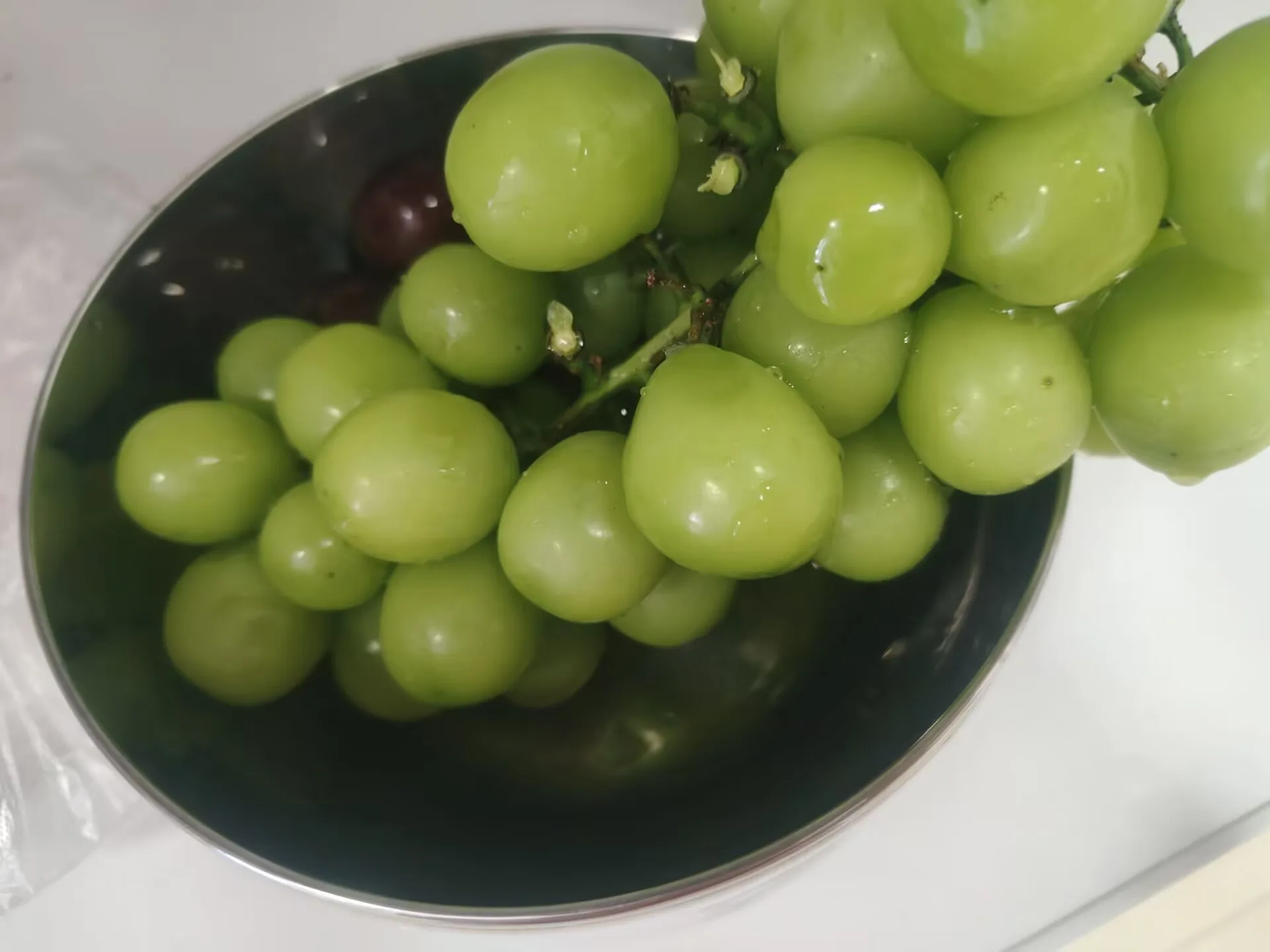
Shine Muscat
The Rural Development Administration describes Shine Muscat as a green grape with muscat aroma. It is a candidate for someone interested in green grapes eaten with the skin. That description is not a promise about every pack. The same guidance makes harvest timing and bunch management important to quality. Read the seller’s cultivar, origin and available harvest or dispatch information instead of shopping entirely from a glossy picture.
The authority also explains that skin colour alone is an unreliable guide to ripeness in green grapes. Attractive green colour does not settle whether your pack was harvested well. We have not turned a production sweetness benchmark into a guarantee for a retail offer. Without measurements for that product, we cannot give its sugar reading. A modest first purchase leaves room to decide whether to return to the seller.
Campbell Early
Nongsaro’s growing guidance says Campbell Early can reach a skin-colour maturity criterion before its sugar and acidity are ready. Harvesting on colour alone can produce sour grapes. That gives the shopper a useful caution: dark colour is not enough to declare a pack sweet. Even with a familiar cultivar, pay attention to the current source and the information supplied for this batch.
Online shopping cannot provide smell or texture. Treat the pictured bunch as an illustration unless the seller says otherwise. Look for clear weight and cultivar details, and read how damage or condition problems are handled. I would keep Campbell Early on the list for someone returning to a familiar grape, but our research does not establish that every pack is cheaper or more acidic than the alternatives.
Kyoho
Kyoho deserves consideration when larger berries are part of what you want. The agricultural guide uses different bunch-management examples for Campbell Early and Kyoho, but a cultivation target is not a retail size guarantee. Check the product’s actual specification. Total weight and packaging give a more useful starting point than a photograph designed to make each berry look huge.
Confirm seeds as well. Nongsaro gives a separate ripeness benchmark for seedless Kyoho cultivation. That does not imply every product sold as Kyoho is seedless. This detail matters when choosing a gift or sharing fruit with people who have different preferences. Large berries alone cannot tell you how convenient the fruit will be to eat. Ask the seller where its description is unclear.
The pack after the name
Chungbuk’s agricultural institute notes that Korean table-grape production is concentrated in these three cultivars. That explains the shortlist; it is not evidence for a taste ranking. After choosing a cultivar, I would compare condition, quantity and product information. Fruit for one snack and fruit for several days do not necessarily call for the same large box.
For a gift, think about the recipient’s likely quantity and preference about seeds before the presentation. For a household, ask how each person likes to eat grapes. We are not making a health-benefit or blood-sugar comparison from these cultivation sources. A specific nutrition question requires appropriate information about the actual food and individual needs. This article stays with buying choices.
Read the unit price last
Bring prices onto the same weight basis, then add packaging and delivery terms. Different shipping charges can change the apparent bargain. Use the current offers rather than an old market quote; we have not assigned a permanent price order to the cultivars. Before choosing the biggest discounted box, decide who will eat it and when.
In a shop, examine the actual condition. Online, distinguish example photography from the product description. You do not need to buy all three at once. Trying a small amount of the cultivar that interests you can make the next choice easier. The comparison table gives checks and editorial suggestions rather than tasting scores, and leaves room for the next batch of the same cultivar to be different.
Our three picks
- Shine MuscatShine Muscat
Investigate for muscat aroma and green grapes with edible skin
- Campbell EarlyCampbell Early
Check ripeness information for a familiar cultivar
- KyohoKyoho
Consider larger berries and confirm seeds
Side by side
| Compare | Shine Muscat | Campbell Early | Kyoho |
|---|---|---|---|
| Starting preference | Aroma and skin-on green grapes | Familiar cultivar and actual condition | Larger berries |
| Source’s key caution | Colour alone cannot settle ripeness | Colour can develop before sugar and acidity | Separate seedless cultivation benchmark |
| Seller details | Cultivar, origin, dispatch information | Cultivar, weight, condition | Size description, weight, seeds |
| Avoid assuming | Green means properly ripe | Dark necessarily means sweet | All Kyoho is seedless |
| Quantity suggestion | A modest first pack | Match the eating plan | People sharing and pack size |
| Price basis | Current weight and delivery | Current weight and delivery | Current weight and delivery |
| Not verified | Pack sweetness or health ranking | Pack flavour or cheapest price | Individual size or tasting score |
Our choice
Begin with Shine Muscat for skin-on green grapes, Campbell Early for a familiar choice, or Kyoho when larger berries appeal. Then look past the name to the actual pack, its information and the amount you will eat. A famous cultivar cannot replace a well-chosen batch.
