A templestay lets you spend time inside a working Buddhist temple and follow part of the monks’ daily routine. The official Templestay site calls it a cultural experience programme for understanding Korean traditional culture and Korean Buddhism. It began during the 2002 Korea–Japan World Cup as a state-funded project of the Ministry of Culture, Sports and Tourism and the Jogye Order of Korean Buddhism, to give foreign visitors a place to stay and a taste of traditional culture; today the order’s Cultural Corps of Korean Buddhism runs the booking site, templestay.com. For individual travellers the site sorts programmes into three types: experience-oriented (a fixed overnight schedule), rest-oriented (free time around a few essentials) and one-day (a few hours, no overnight stay). Group programmes are listed separately and are not covered here. This is a research piece, not a review of a stay: it draws on the Korean and English Templestay pages and FAQs, real programme pages at Bongeunsa, Jogyesa, Golgulsa, Beopjusa, Magoksa, Tongdosa and others, the Cultural Corps and the Korea Heritage Service, all checked on 25 October 2026 (US Central time). Prices and times are examples listed that day, for one adult unless stated, and no temple is ranked.
Before you choose: where to look and how booking works
Everything starts on templestay.com, but the English and Korean sites are not the same size. On 26 October (Korea time) the English site listed 98 programmes (23 one-day, 50 experience-oriented, 25 rest-oriented), against 837 on the Korean site. If you do not read Korean, start on the English site and tick ‘Temples for Foreigners’. Even then, English is not guaranteed. A November 2024 notice on the English site named 27 temples that run programmes in English, but programme pages rarely say which language is used; Daeheungsa, which puts ‘English/Korean’ in a programme title, is an exception. If language matters, ask the temple before you book.
Each programme is booked on its own page: choose the room, dates and number of people, then continue to the reservation, which takes you to a sign-in page. The English site accepts an ID and password or a Google or Facebook login. Fees are listed per programme in adult, teenager, child and pre-school columns and vary from temple to temple; the examples in this guide run from free to 120,000 won. Booking cut-offs vary too: one to five days before the start in the programmes checked, and Bongeunsa opens bookings one month ahead.
Refund rules are set on each programme page, and in the examples a full refund needed anything from three to 14 days’ notice. Payment differs as well: Jogyesa’s tea programme page says cards are not accepted on the spot and recommends paying online, while Golgulsa and Hwagyesa take payment at the temple. Some temples cancel unpaid bookings automatically after a while. To change or cancel, contact the temple directly or email [email protected]; the English FAQ says you do not need to bring a confirmation letter.
If you are in Seoul, the Templestay Information Center directly across the street from Jogyesa (56 Ujeongguk-ro, about five minutes’ walk from exit 6 of Anguk Station) is a useful first stop. Its ground-floor centre opens 09:00–18:00 every day except New Year’s Day and the Seollal and Chuseok holidays, and it runs a free 50-minute ‘Conversation with monk over tea’ in up to four time slots (10:20, 13:20, 14:30 and 15:40), though not every day, so check the dates on the booking calendar. The same building houses a temple-food restaurant, Balwoo Gongyang.
Experience-oriented: follow the temple’s day
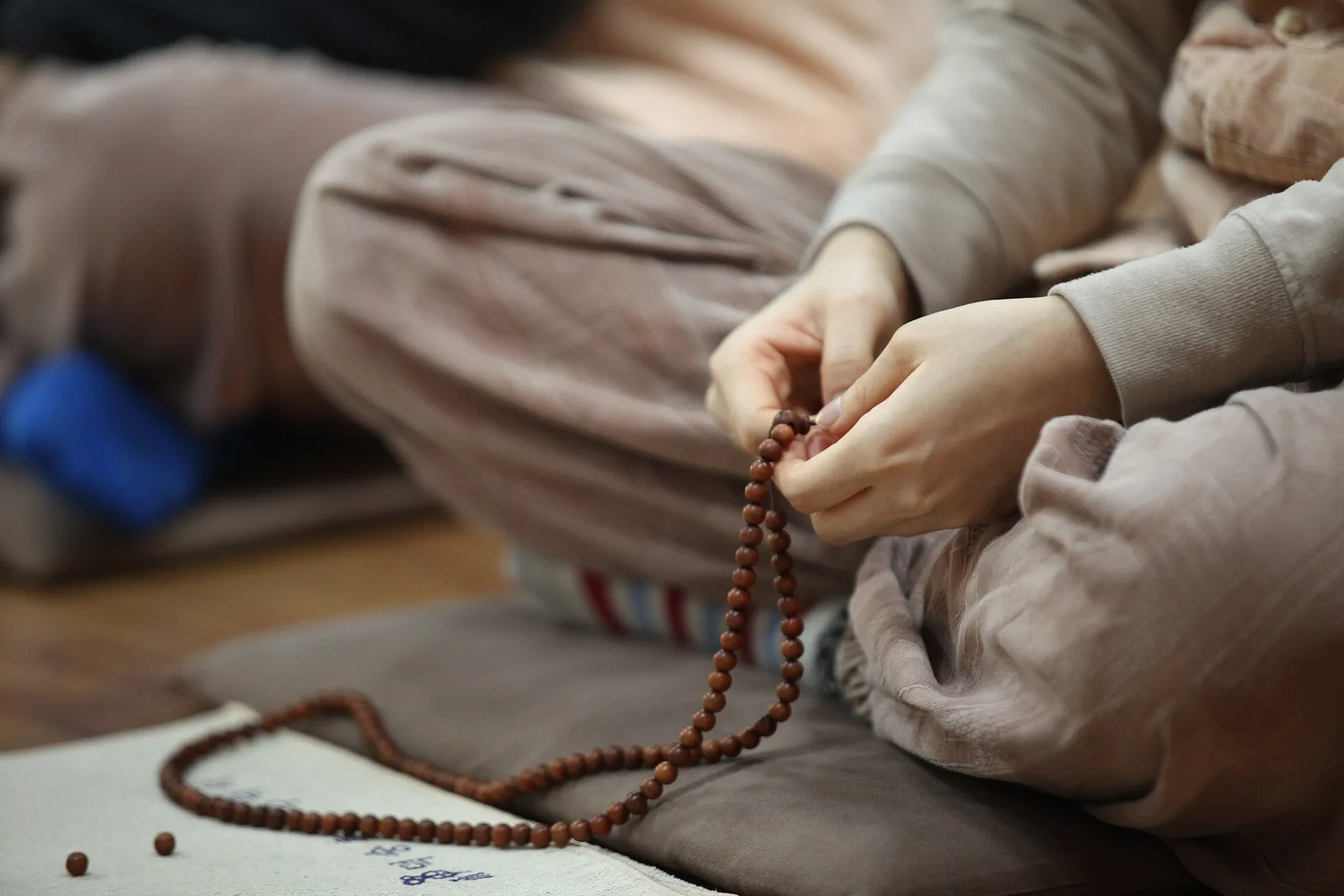
The English site describes the experience-oriented stay as usually a weekend programme with one overnight stay: morning chanting, 108 prostrations, a Buddhist meal eaten from traditional bowls, meditation, and making a lotus lantern or prayer beads. The Korean page adds that the content varies by temple, season and group, and can include heritage visits or nature activities such as forest walks, exploring tidal flats or making wild green tea. The official FAQ on the Korean-language site recommends this type for first-timers.
The Korean FAQ’s sample overnight goes like this. You arrive around 2 or 3 p.m., get your room, tour the temple and learn basic etiquette; some temples let you try the four ritual instruments: the Dharma drum, the bell, the wooden fish and the cloud-shaped gong. After dinner come the evening service, 108 prostrations and meditation. The next day starts with the dawn service at about 4 a.m., followed by breakfast, communal work, tea with a monk and a short written reflection, and everything ends around noon to 1 p.m. after lunch. Don’t count on the formal monastic meal, barugongyang, though: the Korean FAQ says only some temples hold it.
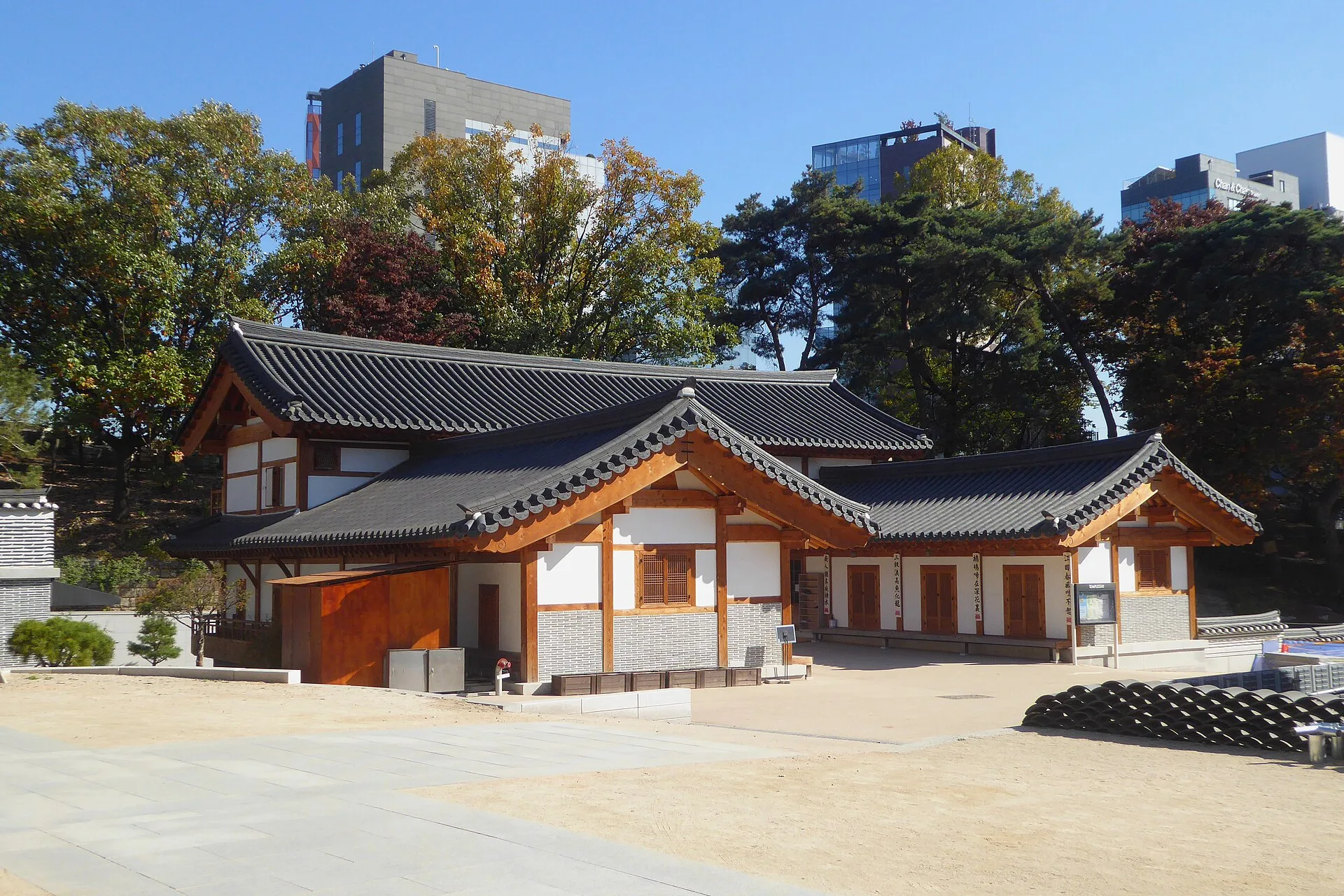
Real timetables are full. Bongeunsa’s weekend Regular Templestay in Gangnam (Saturday 13:50 to Sunday 11:00, 120,000 won) has dinner at 17:00 and the evening service at 17:40, lights out at 21:00, then wake-up at 04:00, the service at 04:20 and 108 prostrations at 05:00, with tea with a monk at 09:00. Jogyesa’s regular overnight in central Seoul (13:30 to 10:00 the next day, 80,000 won a night) includes paper lotus-lantern making, sutra copying or tea with a monk (for five or more guests) and a temple tour, while its evening service, 108 prostrations and 04:25 dawn service are optional. Both are easy to slot into a short Seoul trip.
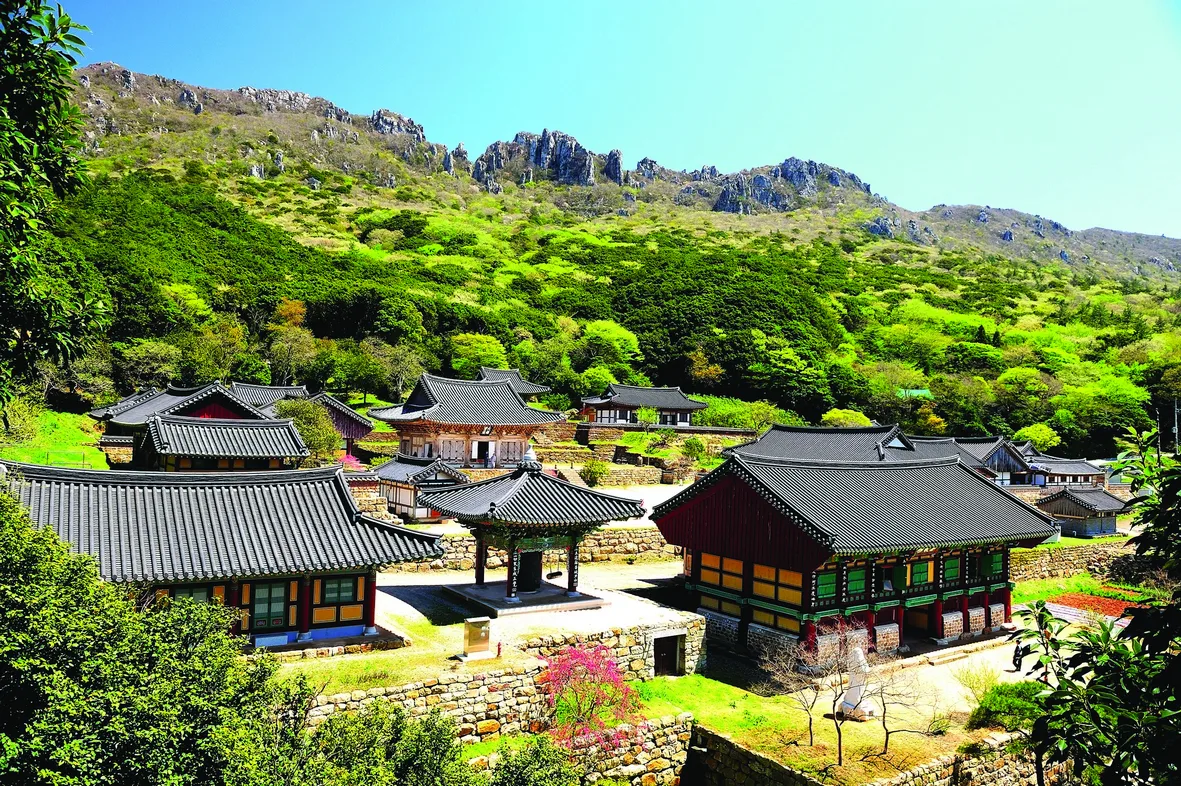
For a mountain setting, look at the seven temples inscribed by UNESCO in 2018 as ‘Sansa, Buddhist Mountain Monasteries in Korea’: Tongdosa, Buseoksa, Bongjeongsa, Beopjusa, Magoksa, Seonamsa and Daeheungsa, according to the Korea Heritage Service. Magoksa’s experience stay in Gongju (13:40 to about noon, 90,000 won) has the temple bell and evening service at 18:25, lights out at 21:00 and the morning service at 04:30, with prostrations and a hike optional, though its booking calendar showed no available dates through the end of November when checked on 26 October. Beopjusa’s Saturday programme in Boeun (15:00 to 12:00, 100,000 won) adds making a string of 108 prayer beads and a dancheong plaque, painted in the patterns used on temple buildings, plus a climb up Sujeongbong or a walk on the King Sejo road. Golgulsa near Gyeongju is different again: its overnight (120,000 won) centres on two sessions of Seonmudo, a Buddhist martial art the temple calls ‘moving Seon’ (Seon is Korean Zen), and the day starts at 05:00.
The downside is that structure. You get up around 4 a.m., most of the day is set, and rooms are usually shared. The English site says these stays mostly happen at weekends, but some temples, such as Jogyesa and Golgulsa, list weekday dates, so check the calendar. Nor do you have to do everything: the Korean FAQ says every activity is voluntary, and if 108 prostrations sit uneasily with your own beliefs, you can sit quietly instead. Rules vary, though: Beopjusa says its ceremonies are strictly observed and guests who have difficulty bowing may not attend them.
Rest-oriented: free time around a few essentials
The English page sums it up in one line: ‘Do nothing but relax.’ The Korean page explains that apart from the services, meals, a temple guide and an etiquette session, your time is your own. The Korean FAQ describes it as skipping the programme, or joining only required sessions such as the services, and spending time alone, and suggests it for people who need time to sort out their thoughts.
What “rest” includes depends heavily on the temple. Tongdosa’s weekday stay in Yangsan (one night, 100,000 won) gives you a room and the dining hall and leaves even the services and meals to you, with a temple tour and the evening and dawn chanting optional, though the temple asks guests to make an effort to attend the services; it can be booked only on days without group or regular stays or events. At Beopjusa (80,000 won a night on weekdays), staff accompany you only on the temple tour, at three meals and at two services. Hwagyesa in northern Seoul (90,000 won a night) fixes just two services, two meals and your bed. At the other extreme, Golgulsa’s rest stay (120,000 won a night) lists the same timetable as its experience stay, from Seonmudo training and 108 prostrations to a 05:00 wake-up.
Rest stays are also worth a look for longer visits. The English FAQ says that by combining experience and rest programmes you can stay more than two days, and that the maximum, which varies, is usually ten days; Golgulsa takes bookings of up to 29 nights, and many rest stays are priced per night. Daeheungsa in Haenam puts ‘English/Korean’ in its rest programme’s title (80,000 won a night) and gives private rooms with their own bathroom for up to four people, without splitting families; having a room to yourself costs 20,000 won a night extra.
The catch is that a rest stay can feel aimless if you have never been to a temple: fewer sessions tell you what to do, and meal times are still fixed. Beopjusa also says that once you check in, you may not leave for the village outside until you check out. If you picture wandering around the area between naps, read the rules first.
One-day: a few hours at a temple
One-day programmes have no overnight stay. The Korean page says they are for people who cannot spare a whole day and for foreign visitors fitting in a short taste of Buddhist culture, and that they usually include a temple tour, meditation, a tea ceremony and a craft such as lanterns, prayer beads or sutra copying. The English page says they normally take two or three hours; the Korean FAQ says they start at about 10 a.m. or 1 p.m., depending on the temple, and last two hours or more.
In practice the length varies more than that. The Information Center’s tea talk with a monk lasts 50 minutes and is free. Jogyesa’s ‘Seon of Tea’ (50,000 won) meets at 14:50 for an hour of tea ceremony with a professional instructor and then a 40-minute temple tour; it can be cancelled if too few people sign up. Bongeunsa’s BONG-PASS lets you drop in at its templestay centre on Tuesdays between 10:00 and 16:00 for tea, meditation and a quiet moment, with no fixed timetable or guide, for 5,000 won; shoes come off at the door, so bring socks. Golgulsa’s Daytime Visit (80,000 won) fills an afternoon from 12:50 to 18:30 with archery, meditation, a Seonmudo demonstration and training, optional prostrations and dinner; there is no demonstration on Mondays and Tuesdays.
What you miss is obvious: no dawn service, and no evening or morning at the temple. But it takes only part of a day, and in Seoul it is an easy way to start. If you like it, you can plan an overnight on your next trip.
Whichever you choose: rooms, food, clothes and etiquette
Rooms are usually large shared rooms for 15 or more people or rooms for four to eight, and shared toilets and showers are standard, though some rooms have their own. A few temples rent single or two-to-four-person rooms for an extra charge. Men and women sleep separately, even couples, while friends or family of the same sex are put together where possible. There are exceptions: Jogyesa keeps parents with minor children together, and Daeheungsa does not split families.
Meals are vegetarian. According to the Korean FAQ there is no meat, egg or instant food; expect seasonal greens and vegetables, tofu and beans. Most temples give you a vest and trousers when you check in, though what is supplied varies, so pack toiletries, a towel and a change of clothes, plus spare socks, because socks are required in the halls. Mountain mornings and evenings are cold except in midsummer, so bring a cardigan or jacket. Jogyesa advises against sleeveless tops and flip-flops, and Beopjusa does not allow them.
Inside the temple there is no loud talking or singing, no drinking or smoking, and no showy displays of affection. The basic posture is chasu, your right hand lightly holding the back of your left, and if you meet a monk outdoors you stop and give a half-bow with palms together (hapjang). Use the side doors of a Dharma hall; the central door is for the monks. On safety, the Korean FAQ says rooms need a key and lock from the inside, and outsiders are kept out after 10 p.m. Children can join with a parent or another adult, but each temple runs things differently, so call ahead.
Finally, read event notices carefully, because eligibility changes. The November 2026 ‘Double Happiness’ templestay, part of the Travel Month campaign, offers one night at 100 temples for 30,000 won, but its notice says it is a government-wide effort to boost domestic demand and is open to Korean nationals only. September’s special templestay for foreigners has ended, so check the English site’s event notices for the next offer.
Related on Rank Three: if you would rather spend a night in a traditional house than a temple, see Bukchon vs Jeonju vs Gyeongju: where to try a hanok stay in Korea?; for a day in Korea’s historic villages, A village day in Korea: Hahoe, Yangdong or Naganeupseong?; and to pair a one-day programme in Seoul with a palace, Which Seoul palace first? Gyeongbokgung, Changdeokgung or Deoksugung.
Our three picks
- Experience-oriented: follow the temple’s dayExperience-oriented
If it is your first templestay and you can spare a night. The official Korean-language FAQ recommends this type for first-timers: you follow the temple’s day from the evening service and 108 prostrations to the dawn service around 4 a.m. and tea with a monk. Start in central Seoul at Bongeunsa or Jogyesa, or choose a UNESCO-listed mountain temple such as Beopjusa.
- Rest-oriented: free time around a few essentialsRest-oriented
If you want quiet more than a programme, or you have done a templestay before and want to stay a few days. What is included ranges from just a room and meals to the same timetable as an experience stay, so read the timetable and the rules about leaving the grounds first.
- One-day: a few hours at a templeOne-day
If your itinerary is tight. Choose anything from the free 50-minute tea talk at the Information Center in Seoul to Bongeunsa’s drop-in BONG-PASS, Jogyesa’s tea ceremony or Golgulsa’s afternoon programme. There is no dawn service, but it is a fair first taste.
Side by side
| What to check | Experience-oriented | Rest-oriented | One-day |
|---|---|---|---|
| Official description | Usually one night, often at weekends: services, prostrations, meditation, crafts | “Do nothing but relax”: free time outside services, meals, a guide and etiquette | For people short of time and foreign visitors: tour, meditation, tea, a craft |
| Time needed | One night (arrive 2–3 p.m., finish around noon to 1 p.m.) | One night or more, often priced per night (usually up to 10 days; 29 nights at Golgulsa) | About 2–3 hours officially; 50 minutes to an afternoon in practice |
| Schedule | Fixed | Free apart from set sessions (how many varies by temple) | Short fixed programme or drop-in |
| Dawn service | Part of the day (04:20 Bongeunsa, 04:30 Magoksa; optional at Jogyesa) | Often optional (Tongdosa, Beopjusa, Daeheungsa) | None |
| Price examples (adult) | Jogyesa 80,000; Magoksa 90,000; Beopjusa 100,000; Bongeunsa and Golgulsa 120,000 won | Per night: Beopjusa and Daeheungsa 80,000; Hwagyesa 90,000; Golgulsa 120,000 won; Tongdosa 100,000 won for one night | Information Center tea talk free; BONG-PASS 5,000; Jogyesa tea 50,000; Golgulsa 80,000 won |
| Full-refund deadline (examples) | Bongeunsa 14 days before; Jogyesa 7; Magoksa 5 | Tongdosa 5 days before; Hwagyesa 3 | Jogyesa tea 7 days before; Golgulsa 3 |
| Rooms | Usually shared and split by gender, with shared bathrooms; single or 2–4-person rooms at extra cost at some temples | As for experience stays; Daeheungsa has en-suite rooms for up to four | No overnight stay |
| The Korean FAQ recommends it for | First-timers | People who need time to sort out their thoughts | People who want a short taste of temple culture |
| Programmes on the English site (26 Oct) | 50 | 25 | 23 |
Where I would start
For a first templestay I would book an experience-oriented overnight. You need a night to see the dawn service and an evening and morning at the temple, and the official Korean-language FAQ recommends this type for first-timers. On a short Seoul trip I would look at a city temple such as Bongeunsa or Jogyesa; with more time, a mountain temple such as Beopjusa. If a night feels like too much, I would start with the free tea talk at the Information Center opposite Jogyesa or a one-day programme, and keep the rest-oriented stay for a second visit, when quiet matters more than structure. Whichever you choose, check the language, the refund deadline and the room arrangements on the programme page itself.


