Apple shopping often starts with a growing region or a gift box. Variety deserves an earlier look. We compared Hongro, Arisoo and Fuji using Korea’s Rural Development Administration material checked on October 7, 2026. This is desk research, with no tasting panel or sugar measurements. The selection advice connects published variety descriptions to a shopping decision; it does not guarantee the flavor of a seller’s current crop.
Hongro
The RDA identifies Hongro as a Korean variety developed in 1988 and generally harvested in early to mid September. Its 2022 introduction describes a sweet flavor with relatively little acidity. I would put it first on the shortlist for someone who usually wants an apple to taste sweet rather than distinctly tart. Ask the seller to identify the variety when a listing emphasizes only the growing region.
The limitation is that a variety name cannot describe the present condition of a box. For an October order, look at harvest and storage information alongside the September harvest description. Compare similar grades and sizes. A figure in a research introduction is not a measurement of every apple being shipped to you.
Arisoo
Official material describes Arisoo as more sweet-tart than Hongro, with a red skin, smooth shape and firm texture. This is the candidate I would explore if a little acidity is part of what you enjoy. An earlier RDA introduction compares its sugar-to-acid balance with Fuji and Gamhong. That offers a useful reference point without making the varieties interchangeable.
The published description also mentions reduced browning after cutting. Treat that as a variety characteristic, not a food-safety rule or permission to leave cut fruit unrefrigerated. For shopping, confirm that the box actually contains Arisoo and whether varieties are mixed. A small first purchase gives you room to discover a preference without committing to a large gift-sized box.
Fuji
Fuji also appears under the name Busa in Korean shopping. The RDA’s harvest guidance classifies it as a late variety and describes a longer interval from flowering to harvest than Hongro. I would ask whether an offer is newly harvested fruit or stored fruit before placing the order. A date that suits one growing region is not a national harvest deadline.
Fuji appears as a flavor-balance reference in the Arisoo material. That is a reason to consider both, not evidence that they taste identical. We have not ranked Fuji first for crispness or storage life. Match the variety to the seller’s actual harvest information. If Fuji has always been your default, a few Hongro or Arisoo apples could make the next purchase a more informed choice.
Make the boxes comparable
A five-kilogram household box and a ten-kilogram gift box create a confusing comparison. Start with the final cost for the same weight, then read size, cosmetic grade and mixed-variety details. Shipping can change the apparent bargain. Gift packaging has a role, but does not establish how the fruit tastes.
If you try all three, keep a simple personal note about sweetness and acidity. Record the purchase date and any harvest information supplied. You are documenting your preference, not running a professional sensory test. All three can be candidates for the same everyday snack; assigning each to a different recipe would add little to this choice.
What the evidence covers
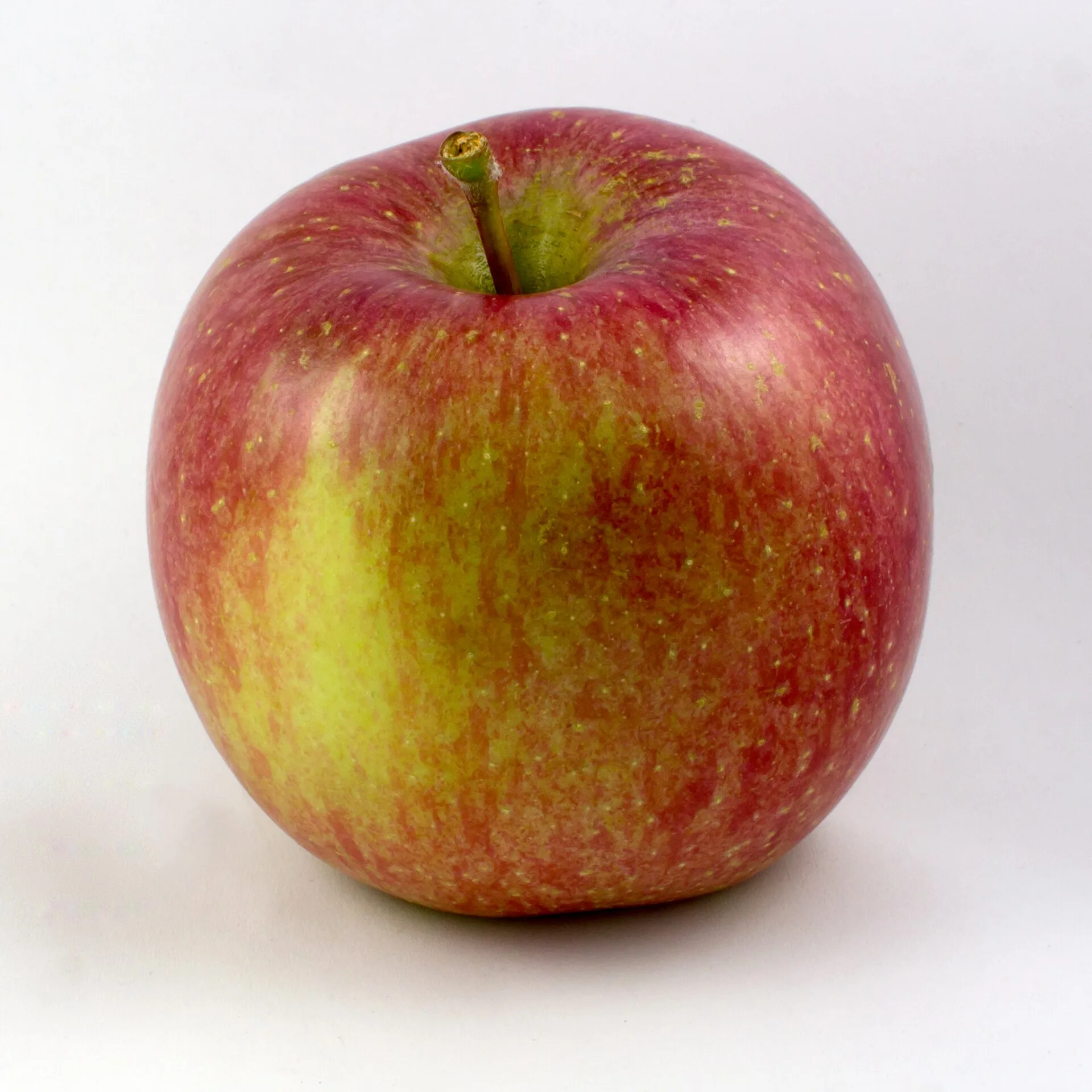
These RDA introductions were published in earlier years and checked again today. We used their general variety descriptions and left historical production forecasts out of the comparison. The photograph shows Fuji apples only. It is not a picture of Hongro, Arisoo or a current seller’s box.
Current prices and individual stock were not compared. My shopping order would be flavor preference, harvest and storage labeling, quantity I can use, then final price. Start small with an unfamiliar variety. The table summarizes that decision without treating general harvest descriptions as a promise about every farm this year.
Our three picks
- HongroHongro
A starting point for a sweeter preference
- ArisooArisoo
Explore a sweet-tart balance
- FujiFuji
Check late-harvest and storage labeling
Side by side
| Compare | Hongro | Arisoo | Fuji |
|---|---|---|---|
| Published flavor description | Sweet, relatively little acidity | More sweet-tart than Hongro | Reference for Arisoo sugar-acid balance |
| Harvest grouping | Generally early–mid September | Early-autumn variety | Late variety |
| Why shortlist it | Sweetness is your preference | You want some acidity | You are looking for familiar Fuji/Busa |
| Before ordering | Harvest and storage details | Mixed-variety contents | New harvest or stored fruit |
| Avoid assuming | A research value guarantees each apple | Less browning establishes safe storage time | One harvest date applies everywhere |
| Price comparison | Same weight and grade | Same weight and grade | Same weight and grade |
| Photo | Not pictured | Not pictured | Fuji reference photo |
Our choice
I would start with Hongro for a sweeter preference and Arisoo when some tartness is welcome. Keep Fuji on the list while checking the harvest and storage description. The useful information on a box is the variety and the fruit being delivered, rather than a claim to be the best apple.
