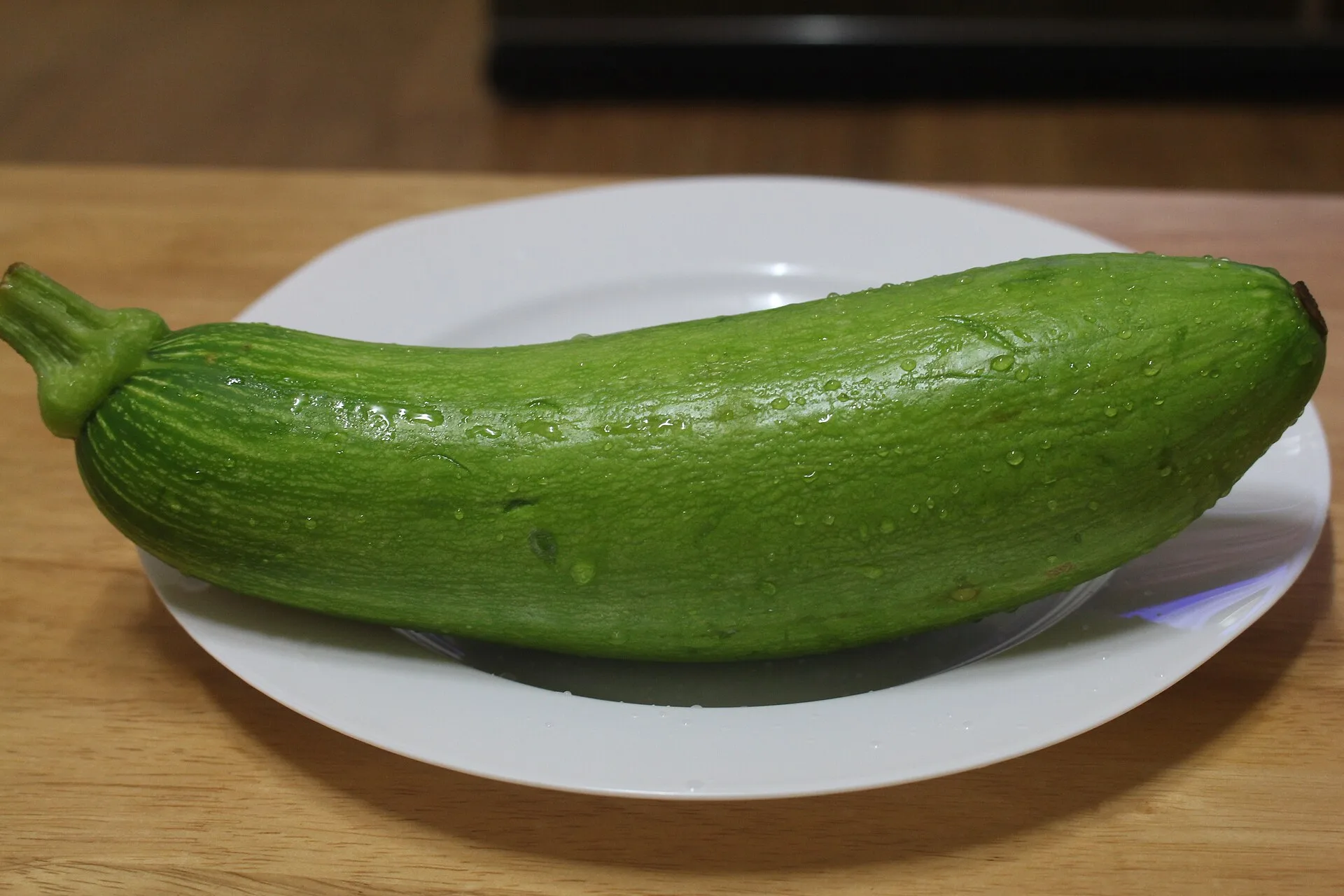
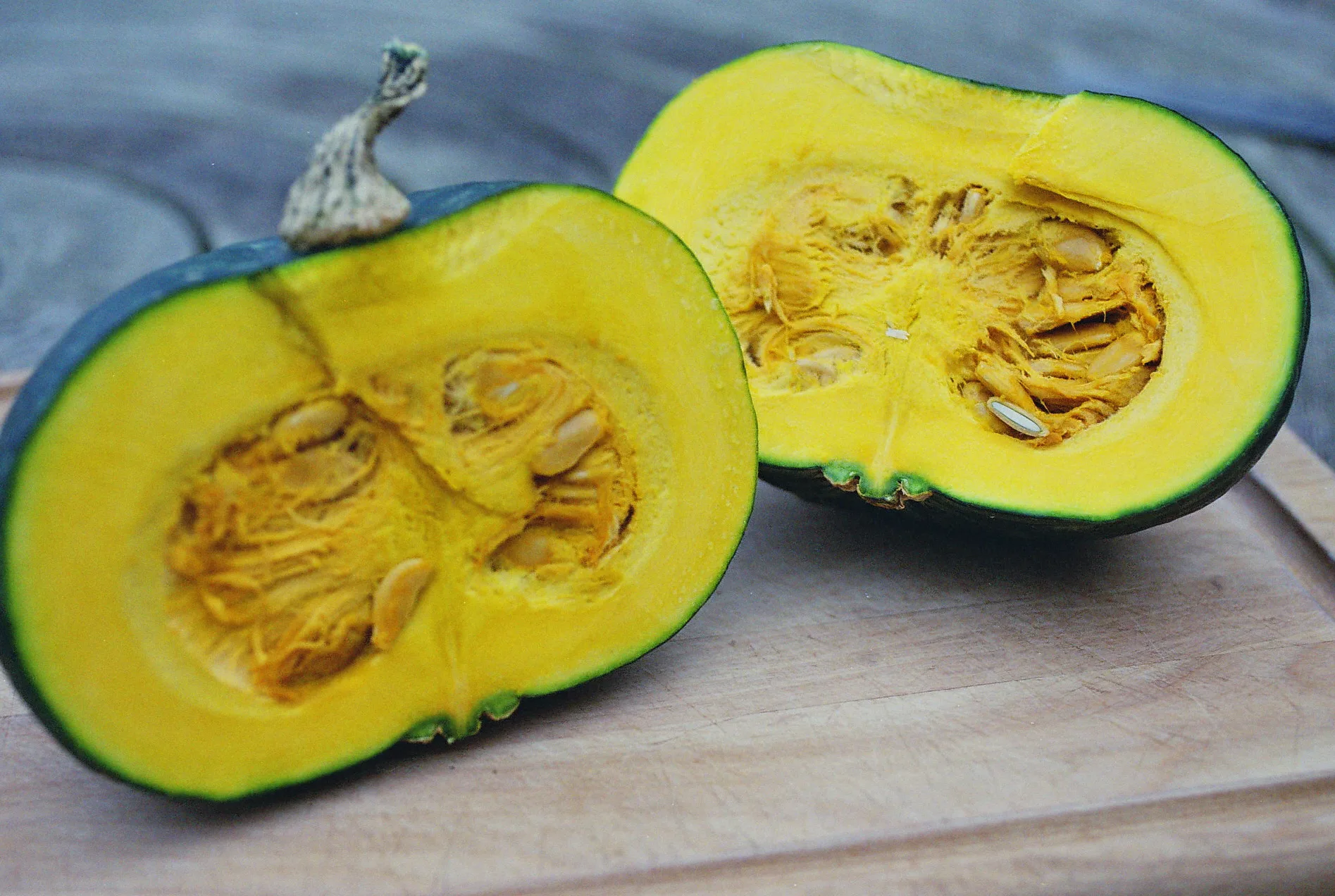
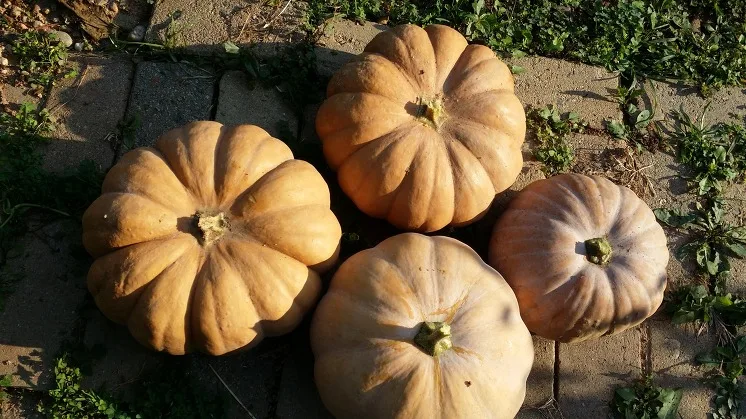
Ask for hobak at a Korean market and you still have a choice to make. Aehobak is the slender, tender squash that goes into stews and pan-fried slices; danhobak is the round, dense kabocha-type squash people steam; neulgeun-hobak, literally “old pumpkin,” is the fully ripened one with a tan rind that is cooked down into porridge. They share a name, but they are picked at different stages, kept at different temperatures and suit different dishes. This comparison draws on official sources checked on October 15, 2026: the Rural Development Administration (RDA) and its Nongsaro farming portal, the RDA’s food portal, and national food composition data published by the Ministry of Food and Drug Safety. It is not a taste test or a ranking. The aim is to match one squash to the meal you are planning.
Decide on the dish first
Colour and size matter less than the plan. A squash that softens in minutes in a stew is not the one you would steam and eat on its own, or simmer for an hour into hobakjuk, the Korean pumpkin porridge. All three turn up in porridge recipes, but they are prepared and portioned differently. Writing down one or two dishes for the week before you shop makes the choice at the counter much easier.
Botanically the three are related in slightly different ways. The RDA’s farming guide on pumpkins describes the oriental species, Cucurbita moschata, as a squash Koreans eat both immature and ripe, and gives aehobak and neulgeun-hobak as examples. Danhobak, also called bam-hobak (“chestnut squash”), belongs to the western species, Cucurbita maxima. Zucchini-type pepo lines and hybrids are also sold young, so “aehobak” on a label is better read as a name for squash eaten young than as one variety.
Aehobak: picked about a week after flowering
An RDA Nongsaro field note says aehobak can be harvested seven to ten days after the flower opens. You are eating an immature fruit, so the skin is tender and the squash can be sliced and cooked as it is. The RDA’s food portal lists it for namul (seasoned vegetables), jeon (pan-fried slices), steamed dishes and stews, and as a thin garnish for noodle soup and sujebi (hand-torn dough soup). Preparation is just washing, trimming the stem end and cutting to suit the dish.
I would reach for aehobak on weeknights when the cooking is quick: a doenjang stew, a plate of jeon, a side dish. It can be sliced skin-on straight away, and one squash can be split across two or three meals. The catch is shelf life. The farming guide gives 7–10°C and 90–95% relative humidity as ideal for immature squash, with one to two weeks as a typical storage period, and warns of chilling injury below 5°C. In a September 2026 storage notice the RDA also advised keeping aehobak wrapped in the vegetable drawer, away from the coldest part of the fridge, and eating it soon.
Danhobak: sweeter after curing
Nongsaro’s kabocha schedule puts the harvest window at 45–50 days after pollination, when brown vertical cracks appear on the stem. The squash is then cured indoors in the shade at about 25°C and 70–80% humidity for roughly a week; in storage, starch falls and sugar rises, which is where the sweetness comes from. The recommended storage range afterwards is 12–13°C at 60–70% humidity. The farming guide adds that its flesh is floury and needs full ripeness for flavour. Gaining sweetness after harvest is what sets it apart from the other two.
The RDA’s food portal suggests salads, fritters and rice cakes, as well as pumpkin kimchi, hobakseon (a stuffed, steamed squash dish) and porridge. I would buy danhobak when I want to steam a squash and eat it as it is, as a snack or a side. The trade-off is preparation. Raw rind is awkward to peel, and the portal’s own tip is to peel after cooking. Cut pieces dry out quickly, so wrap leftovers tightly; for longer keeping, it recommends scooping out the seeds and pulp, wrapping the pieces and freezing them.
Neulgeun-hobak: harvested before frost, kept into winter
Neulgeun-hobak is the oriental pumpkin left on the vine to ripen fully. Nongsaro says it takes 70–80 days from flowering, and that a well-matured fruit has a yellow-brown rind with a white bloom and a woody stalk. Open-field harvest runs from early September to mid-October, with the main shipping period from mid-September to early October, so mid-October is the tail of the season. The farming guide adds that pumpkins which ripen early can be left on the vine and harvested together in early October, before the frost. The listed storage conditions are 12–15°C and 60–70% humidity, for up to 140 days; the farming guide gives two to six months depending on variety and notes that the fruit is sensitive to chilling below 10°C.
The portal lists namul, hobak-beombeok (a thick pumpkin dish), porridge and pumpkin taffy, plus dried strips called hobak-ogari kept for rice cakes. Preparation means halving the pumpkin, scooping out the seeds and peeling it. I would choose it for a big pot of porridge, or for a squash that can wait on a cool shelf and be used a little at a time. The drawback is scale. A whole pumpkin is a project, and a one- or two-person household should plan how to portion the flesh before buying. Without a cool spot to keep it whole, buy it close to the day you will cook.
What the composition table shows
The national food composition figures from the National Institute of Crop Science, published in the Ministry of Food and Drug Safety’s nutrient database (raw, per 100 g), put the three squashes in a clear order. Energy is 22 kcal for aehobak, 38 kcal for neulgeun-hobak and 57 kcal for danhobak, with carbohydrate at 5.14 g, 8.49 g and 13.63 g. Water runs the other way: 93.1 g, 89.7 g and 83.6 g. Beta-carotene is 3,670 µg in danhobak, 853 µg in neulgeun-hobak and 270 µg in aehobak. Fibre is highest in danhobak at 5.0 g, against 2.2 g in aehobak and 1.8 g in neulgeun-hobak.
These numbers are not a ranking of flavour or health. Values shift with variety, growing conditions and ripeness, and actual intake depends on how much you eat and how you cook it. Still, danhobak’s lower water and higher carbohydrate sit comfortably with the farming guide’s description of its floury flesh. The figures were checked again on October 15, 2026.
Storage, prep and one safety note
Keep the three apart in your head by temperature. Aehobak wants cool but not cold: the portal suggests drying it, wrapping it in newspaper or paper and keeping it chilled somewhere dry, with cut pieces sealed in a bag. Whole danhobak and neulgeun-hobak are better in a cool room than in the fridge, at 12–13°C and 12–15°C respectively in Nongsaro’s figures, both at 60–70% humidity.
One caution. A Q&A from Japan’s agriculture ministry, quoted in a Japanese news report that the Korean food safety ministry’s overseas hazard portal relayed in 2018, says the bitterness occasionally found in squash comes from cucurbitacins, which in larger amounts can numb the tongue and cause diarrhoea and nausea. Its advice is to taste a cut piece before cooking and not to eat a squash that tastes bitter, even after cooking. Prices change daily. Korea’s KAMIS retail survey tracks aehobak and zucchini but not danhobak or neulgeun-hobak, so there is no official like-for-like price comparison. In its October 15, 2026 survey, KAMIS recorded an average retail price of 1,101 won for one top-grade aehobak, below its normal-year figure of 1,714 won.
Our three picks
- Quick stews, jeon and namulAehobak
Picked young, so prep is simple. It dislikes the cold: keep it wrapped in the vegetable drawer and use it soon.
- Steam it and eat it as it isDanhobak
A cured western squash whose sweetness builds in storage. Peel after cooking, and freeze seeded pieces you will not use.
- A big pot of porridge or beombeokNeulgeun-hobak
Keeps for months at 12–15°C, but plan how you will portion a whole pumpkin.
Side by side
| Question | Aehobak | Danhobak | Neulgeun-hobak |
|---|---|---|---|
| What it is | Immature fruit (mostly oriental type) | Ripe western squash (C. maxima) | Fully ripe oriental pumpkin (C. moschata) |
| Harvest (official guidance) | 7–10 days after flowering | 45–50 days after pollination, then cured | 70–80 days from flowering to full ripeness |
| Dishes to think of first | Namul, jeon, steamed dishes, stews | Salads, fritters, rice cakes, porridge | Porridge, beombeok, namul, taffy |
| Whole-fruit storage | 7–10°C, about 1–2 weeks | 12–13°C, 60–70% humidity | 12–15°C, 60–70% humidity |
| Energy per 100 g, raw | 22 kcal | 57 kcal | 38 kcal |
| Drawback | Sensitive to cold, short shelf life | Awkward to peel raw | A lot of squash to plan around |
| Not verified here | Shop prices, origin, flavour | Shop prices, origin, flavour | Shop prices, origin, flavour |
Where I would start
For quick weeknight stews and pan-fried slices I would start with aehobak; for a squash to steam and eat on its own, danhobak; for a big pot of porridge, or a squash that can wait into winter, neulgeun-hobak. Deciding which one is “best” matters less than knowing what you will cook this week and where you will keep it. Use the name as a starting point, then check the label and the squash itself before you buy.


