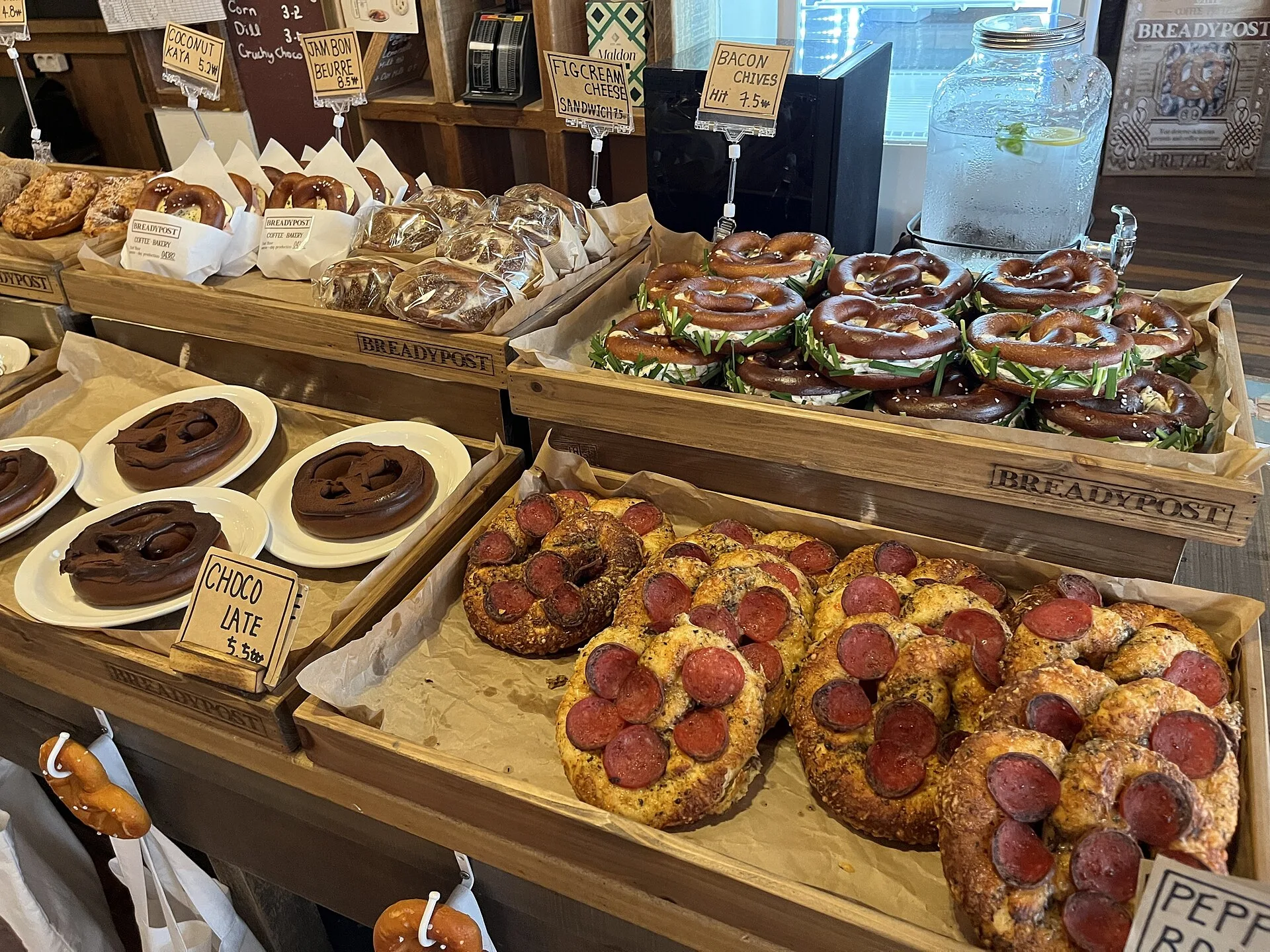
Koreans have a word for a day spent hopping between bakeries: ppangjisullye, a pun on seongjisullye, “pilgrimage”, with ppang, “bread”, swapped in. In Seoul the hard part is not finding bakeries but choosing where to start, because the neighbourhood decides which station you use, how far you walk and what you do between pastries. Korea’s national tourism organisation gives first-timers a short answer in its VISITKOREA dessert guide (last updated February 2026): start with Seongsu-dong Café Street, Hannam-dong Café Street or Gyeongui Line Forest Park, nicknamed “Yeontral Park”. This comparison takes those three as Seongsu-dong, Yeonnam- and Mangwon-dong, and Hannam-dong. It is built from official pages checked on 17 October 2026 — Seoul Metropolitan Government, the VISITSEOUL tourism site, VISITKOREA, Seoul Metro and Leeum Museum of Art — not from eating my way through them, and it does not rank bakeries. Travelling to another city for one famous bakery is a different trip, covered in a separate post.
Choose the neighbourhood before the bakery
Seoul’s bakeries and dessert cafés open, move and change their hours often, and the official guides say so themselves: VISITSEOUL shop listings carry a note to check the latest information before you go, and VISITKOREA dates its dessert guide to February 2026. So this piece doesn’t crown a best bakery. It compares what stays put when shops change: the station you arrive at, whether the bakeries and cafés sit within walking distance of each other, and what else there is to do once you have a bag of bread.
Plan on one neighbourhood per day. Seongsu-dong is in Seongdong-gu in the east of the city, Yeonnam and Mangwon are in Mapo-gu in the west, and Hannam-dong is in Yongsan-gu in the middle, so trying to cover all three in a day means more time on trains than in bakeries. Decide early where you will actually eat, too. Gyeongui Line Forest Park asks visitors not to bring food in, and the Hangang river parks forbid cooking and ask you to take your rubbish home, so a café table or a box to take back to your room is the simpler plan.
Seongsu-dong: bakeries in old factory streets, and Seoul Forest
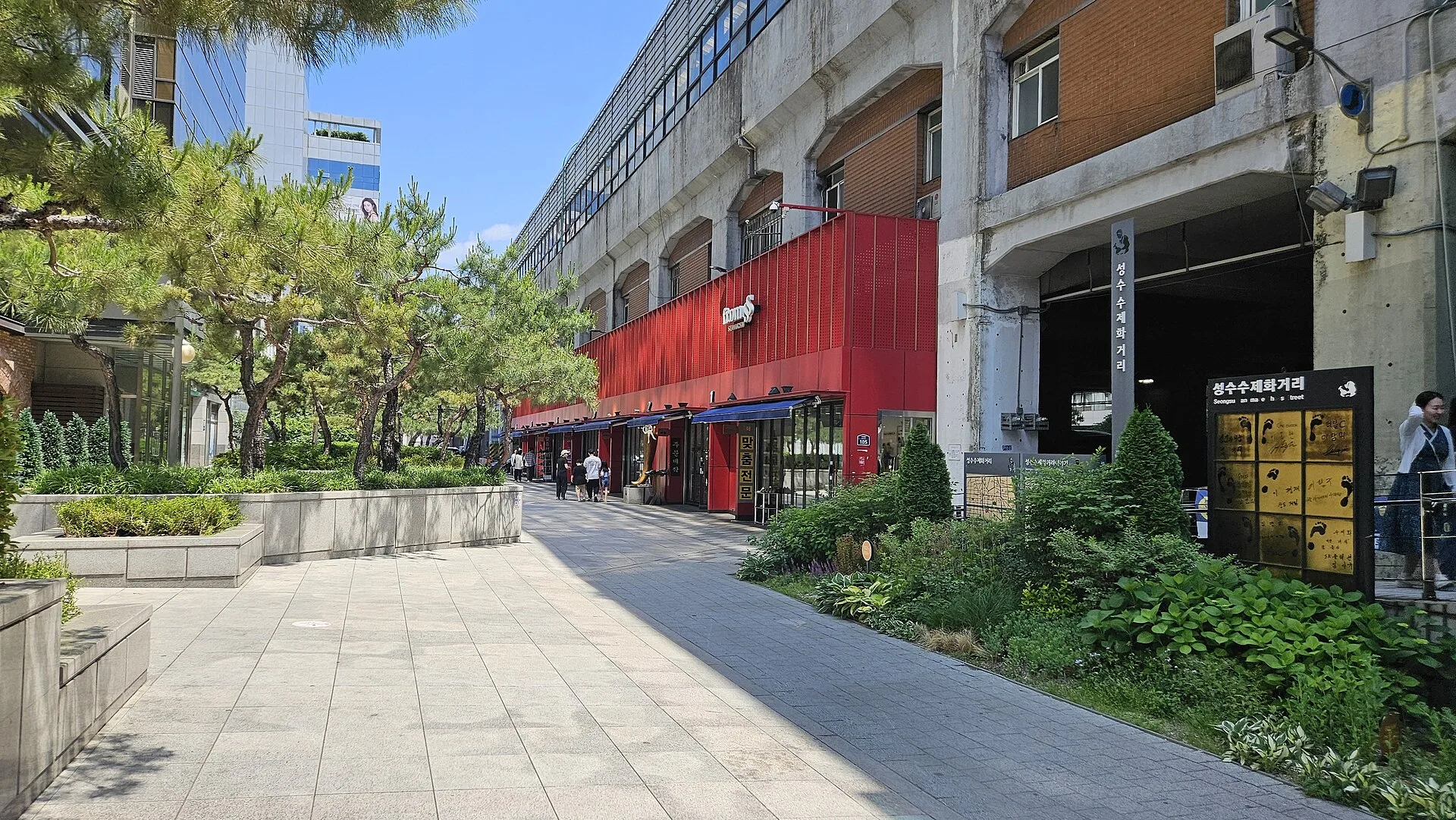
Seongsu-dong spreads around Seongsu and Ttukseom stations on Line 2 and Seoul Forest Station on the Suin–Bundang Line. VISITSEOUL describes it as a former industrial district where some 3,000 manufacturers — shoemakers, printers, auto-parts suppliers — once worked, and where empty factories and warehouses became shops, studios and cultural spaces. Its examples include Onion Seongsu, a café in a 1970s factory that kept the old walls, and Seongsu Yeonbang, a former chemical plant that now hosts pop-up stores and markets. Near Seongsu Station is the Seongsu Handmade Shoe Street. The feature was first written in 2023 and VISITSEOUL warns that its details may change, so check that anything you pick from it is still open.
Seongsu is also where the official guides I checked name the most bakeries and dessert shops. Pages VISITSEOUL published or edited in 2025–2026 include Jayeondo Salt Bread, about 285 m from Seongsu Station exit 3, which sells only salt bread, takeaway only, baked six times a day (9:00, 12:30, 14:00, 15:30, 17:00 and 18:30) and open 09:00–22:00 daily; VISITSEOUL warns that a wait is often expected. Cafe noci bakes its egg tarts from the dough every morning and opens 12:00–22:00 Monday to Saturday and 12:00–21:00 on Sunday. Marly, which VISITSEOUL places on the Seongsu-dong café street, is a two-floor café for cakes and scones, open 09:00–23:00 every day. All of these details come from VISITSEOUL and can change.
When your feet give out, head for Seoul Forest. According to Seoul’s parks office it opened on 18 June 2005, covers 480,994 m² and is open 24 hours all year apart from some facilities. It is about two minutes on foot from Seoul Forest Station exit 4, or ten minutes from Ttukseom Station exit 8, and a footbridge leads on to the Hangang riverside park. The insect botanical garden and the butterfly garden close on Mondays, and the butterfly garden runs only from May to October.
The catch is popularity. VISITSEOUL’s 2023 description calls Seongsu the district where big brands open pop-up shops and flagship stores, and crowds come with that, so expect to queue at the well-known places. One practical note: Seoul Metro’s timetable shows Line 2 trains from Seongsu running on the Sinseol-dong branch as well as the main loop, so read the destination before you board. I would send a first-time bakery hunter, or anyone who wants a few named shops they can count on, to Seongsu.
Yeonnam-dong and Mangwon-dong: a park walk and a market
Both neighbourhoods are in Mapo-gu; the stations to start from are Hongik Univ. and Mangwon. Seoul Metro’s network data shows Hongik Univ. Station served by Line 2, the Gyeongui–Jungang Line and AREX, the airport railway, so you can come straight from Incheon Airport (check your train: express and all-stop AREX trains do not stop at the same stations). Mangwon Station is on Line 6; change at Hapjeong, the next stop from Hongik Univ. on Line 2, and Mangwon is one stop on.
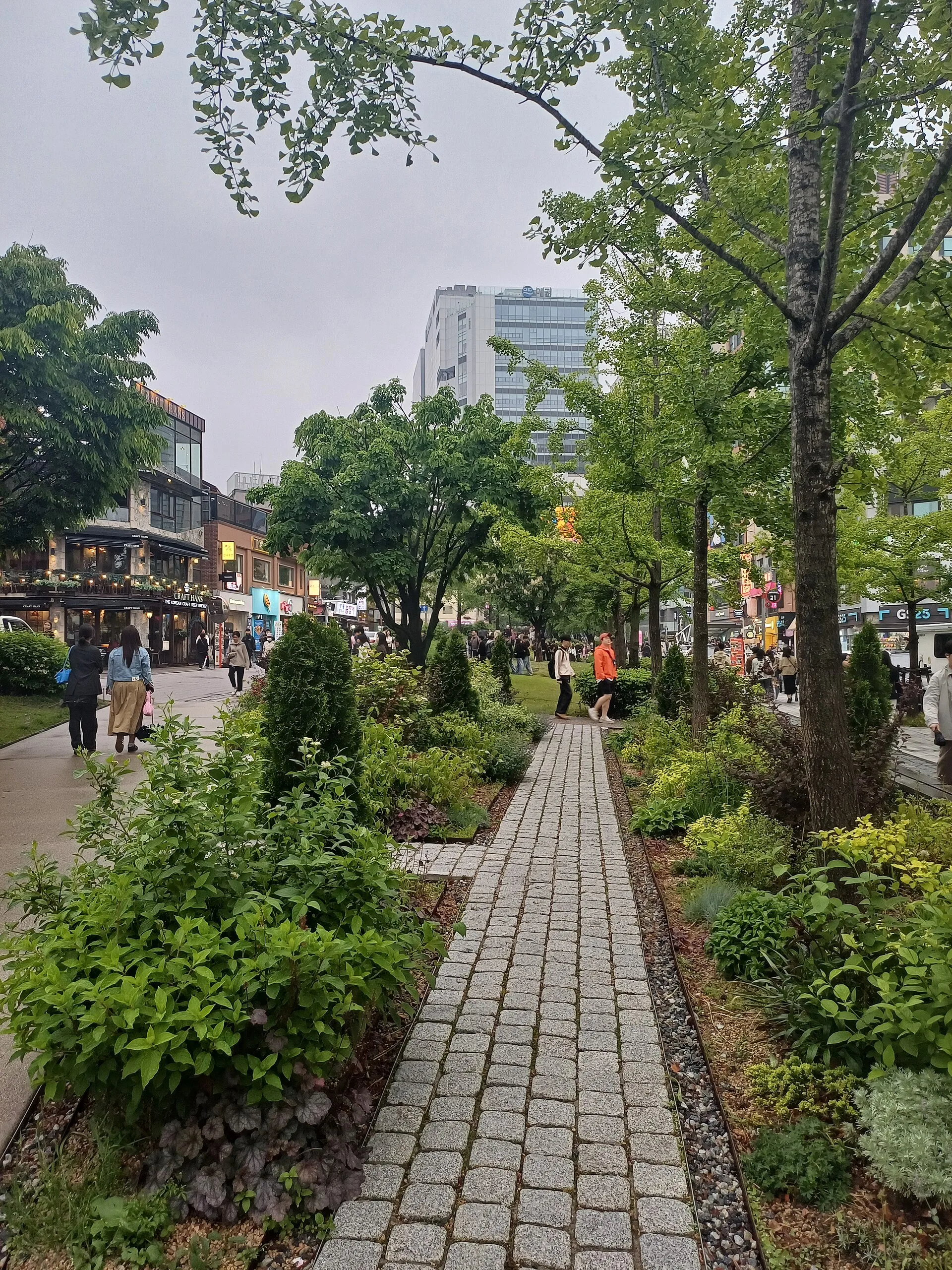
Yeonnam’s backbone is Gyeongui Line Forest Park. Seoul’s parks office describes it as a 6.3 km linear park built on the old Gyeongui Line railway; the first section opened in 2012 and the whole park was finished in 2016. The Yeonnam-dong section runs about 1.2 km, roughly 35 minutes on foot, from Yeonnam intersection to Hongik Univ. Station, with rows of ginkgo trees, lawns, traces of the old tracks and an 860 m water channel recalling the old Segyocheon stream. The park office itself calls the busiest Hongik Univ.–Yeonnam stretch Yeontral Park.
One rule is worth knowing before you buy anything: the park asks visitors not to bring food in, to protect wildlife, and it bans drinking and cooking. If you pictured a pastry picnic on the lawn, change the plan. Eat in the shop or carry your bread home, and use the park as the walk between stops.
Mangwon feels different. VISITKOREA (updated July 2025) presents Mangwon-dong as a quieter alternative to Seoul’s busier districts and Mangwon Market as a traditional market with more than 40 years of history. The market is about six minutes on foot from Mangwon Station exit 2 and runs roughly 10:00–21:00, though hours vary by stall; most stalls take cards, but VISITKOREA suggests carrying a little cash. VISITSEOUL lists Mangridan-gil, about 490 m from the same exit, as a street of small gift and homeware shops, eateries and cafés. For a longer walk, Mangwon Hangang Park is a bus ride away — the park office suggests bus Mapo09 or Mapo16 from exit 1 of Mangwon or Hapjeong Station — or about 22 minutes on foot from Mangwon Station exit 2, according to VISITKOREA.
The weakness is the bakeries themselves. None of the current official guides I checked singles out a bakery inside Yeonnam or Mangwon. The nearest is Aoitori, a Japanese-style bakery that VISITSEOUL lists with information as of 14 October 2026, on the other side of Hongik Univ. Station in Seogyo-dong (Wausan-ro 29-gil), open 09:00–21:00 daily. That makes this a neighbourhood for a wandering crawl, stopping wherever a window looks good, rather than a checklist. I would pick it on the day I land, or when I want a market and a long walk with my bread.
Hannam-dong: café street and Leeum Museum of Art
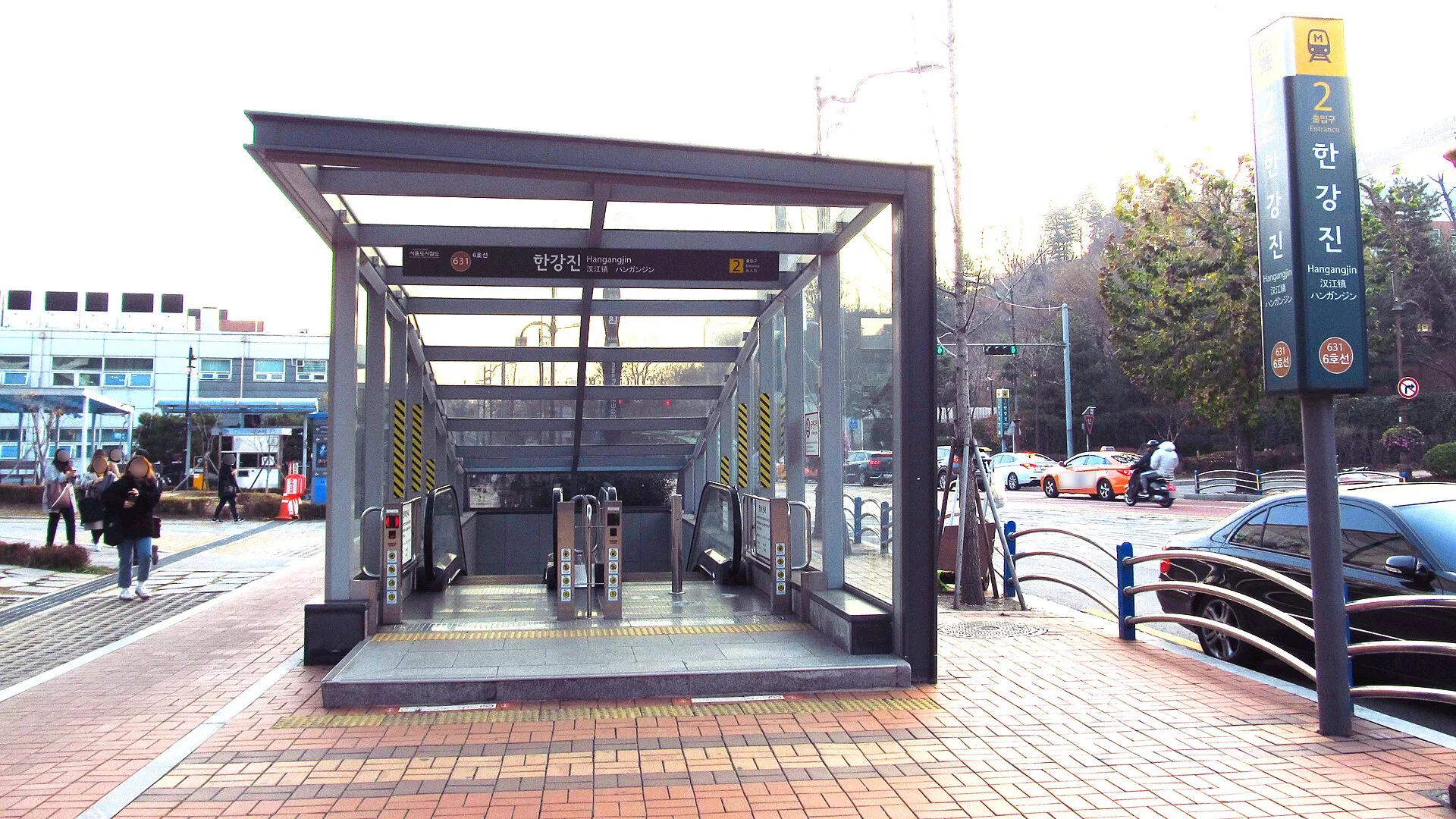
Hannam-dong sits around Hangangjin and Itaewon stations, neighbours on Line 6, with Hannam Station on the Gyeongui–Jungang Line. VISITKOREA recommends Hannam-dong Café Street to dessert lovers on their first trip to Korea, and the same guide lists AUFGLET, which it credits with first introducing the croffle to Korea, at 20 Itaewon-ro 54ga-gil in Yongsan-gu. The guide gives no opening hours, so check them yourself.
Hannam’s advantage is the museum. Leeum Museum of Art is reached from Hangangjin Station exit 1: walk 100 m towards Itaewon, turn right and climb for about five minutes. It opens Tuesday to Sunday, 10:00–18:00, with tickets sold until 17:30, and closes every Monday, on 1 January and on the days of Seollal and Chuseok. The traditional Korean art collection display and the Gabriel Orozco Garden are free; special exhibitions are paid. Online booking opens 14 days ahead, and tickets are also sold on the day. On Culture Day, the last Wednesday of each month, paid admission is half price.
There are three drawbacks. None of the official guides I checked gave a Hannam bakery with confirmed hours (AUFGLET is listed without them). The walk up to Leeum is a hill. And I found no Hangang park page that lists Hannam-dong among its neighbouring areas, so I would not count on adding a riverside stroll the way you can from Seoul Forest or Mangwon. I would choose Hannam for a day when the museum and coffee matter as much as the bread, and not on a Monday.
Planning the day, and what to watch for
Here is how a day in each area can run. Seongsu: start at Seongsu Station, walk the shoe street and the café street, and finish in Seoul Forest by Seoul Forest Station. Yeonnam–Mangwon: walk the Yeonnam section of Gyeongui Line Forest Park from Hongik Univ. Station, change at Hapjeong to Line 6 for Mangwon, browse Mangwon Market and Mangridan-gil, and take the bus to the river if you still have energy. Hannam: see Leeum first from Hangangjin Station, walk the café street and leave from Itaewon Station. Coming straight from Incheon Airport, AREX takes you to Hongik Univ. for Yeonnam, or to Gongdeok, where Line 6 runs five stops to Hangangjin for Hannam.
Check days and times. Leeum and the Seoul Forest insect botanical garden close on Mondays. VISITKOREA suggests weekday mornings for Mangwon’s brunch cafés, and the Hangang park pages warn that weekends and public holidays bring big events, crowds and traffic, so use public transport. For bakeries with set baking times, such as Jayeondo, VISITSEOUL suggests timing your visit to a batch.
Finally, re-check shop details the day before. Every bakery hour in this piece comes from VISITSEOUL or VISITKOREA; I could not check the shops’ own accounts. Transit cards are compared in a post linked below.
Related on Rank Three: for a bakery worth a train ride outside Seoul, see Three Korean Bakery Trips: Sungsimdang, Iseongdang, and Samsong; for a walk in Seoul Forest, Three Seoul autumn walks: Seoul Forest, Haneul and Olympic Park; and for the card you tap on the subway, T-money vs WOWPASS vs Climate Card: which transit card for Korea?.
Our three picks
- Seongsu-dong: bakeries in old factory streets, and Seoul ForestSeongsu-dong
Of the official guides I checked, these name the most bakeries and dessert shops here. Walk between them from Seongsu Station on Line 2 and finish in Seoul Forest. Expect waits at well-known shops, and check Line 2 destinations.
- Yeonnam-dong and Mangwon-dong: a park walk and a marketYeonnam-dong & Mangwon-dong
A walking day from Hongik Univ. Station (Line 2, AREX) along Gyeongui Line Forest Park to Mangwon Market and the river. No food inside the park, and none of the official guides I checked names a bakery inside the area.
- Hannam-dong: café street and Leeum Museum of ArtHannam-dong
Pair Hannam-dong Café Street with Leeum Museum of Art from Hangangjin Station on Line 6. Leeum opens Tuesday to Sunday, 10:00–18:00, and closes on Mondays; the walk up is a hill.
Side by side
| Item | Seongsu-dong | Yeonnam & Mangwon | Hannam-dong |
|---|---|---|---|
| Main stations | Seongsu, Ttukseom (Line 2); Seoul Forest (Suin–Bundang) | Hongik Univ. (Line 2, AREX, Gyeongui–Jungang); Mangwon (Line 6) | Hangangjin, Itaewon (Line 6); Hannam (Gyeongui–Jungang) |
| Walks to pair with it | Seoul Forest (open 24 h, some facilities excepted); handmade shoe street | Gyeongui Line Forest Park, Yeonnam section about 1.2 km; Mangwon Market; Mangwon Hangang Park | Leeum Museum of Art; Hannam-dong Café Street |
| Shops named by official guides (examples) | Jayeondo Salt Bread (takeaway only), Cafe noci (egg tarts), Marly (cakes, scones) | None current inside the area; Aoitori in nearby Seogyo-dong | AUFGLET (croffles; no hours listed) |
| Closures to plan around | Seoul Forest insect garden and butterfly garden: Mondays | Mangwon Market hours vary by stall | Leeum: Mondays, 1 January, Seollal and Chuseok days |
| Where to eat your bread | In the shop, or take it away | No food in Gyeongui Line Forest Park; no cooking in Hangang parks | In the shop, or take it away |
| From Incheon Airport | AREX to Hongik Univ., then Line 2 | AREX to Hongik Univ. (check the train type) | AREX to Gongdeok, then Line 6 |
| Best for | Named shops you can count on | A long walk with a market | Museum, coffee and pastries |
Where I would start
For a first Seoul bakery crawl I would start in Seongsu. The official guides I checked name more bakeries and dessert shops here than in the other two areas, one subway line gets you there, and Seoul Forest is waiting when you need a break; just accept that the well-known places come with queues. If you are coming straight from the airport, or care more about the walk than about specific names, go to Yeonnam and Mangwon: AREX to Hongik Univ., the forest park on foot, then Mangwon Market, and keep the bread out of the park. If you want art with your coffee, choose Hannam on any day but Monday. Wherever you go, bakery hours and menus change often, so check each shop’s own account and the VISITSEOUL listing the day before.


