Every first trip to Seoul starts with the same small purchase: a card to tap at the subway gate. Three names come up again and again. T-money is the standard rechargeable transit card used across Korea. WOWPASS is a prepaid card for foreign visitors that also carries a T-money balance. The Climate Card is Seoul’s unlimited-ride pass, which visitors can buy in 1-, 2-, 3-, 5- and 7-day versions. This comparison is built from official pages checked on 16 October 2026 — Seoul Metropolitan Government, Seoul Metro, Tmoney and WOWPASS — not from riding around with each card. It also reflects a recent change that many older guides miss: the 30-day Climate Card ended on 1 October 2026, so only the short-term passes remain.
Start with your trip, not the card
The right card depends on three questions: will you leave Seoul, how many rides will you take a day, and do you want the same card to pay in shops? A four-day stay that never leaves the capital calls for something different from a week that adds Busan or Gyeongju, and a day of hopping between five subway stations is different from a day spent walking one neighbourhood.
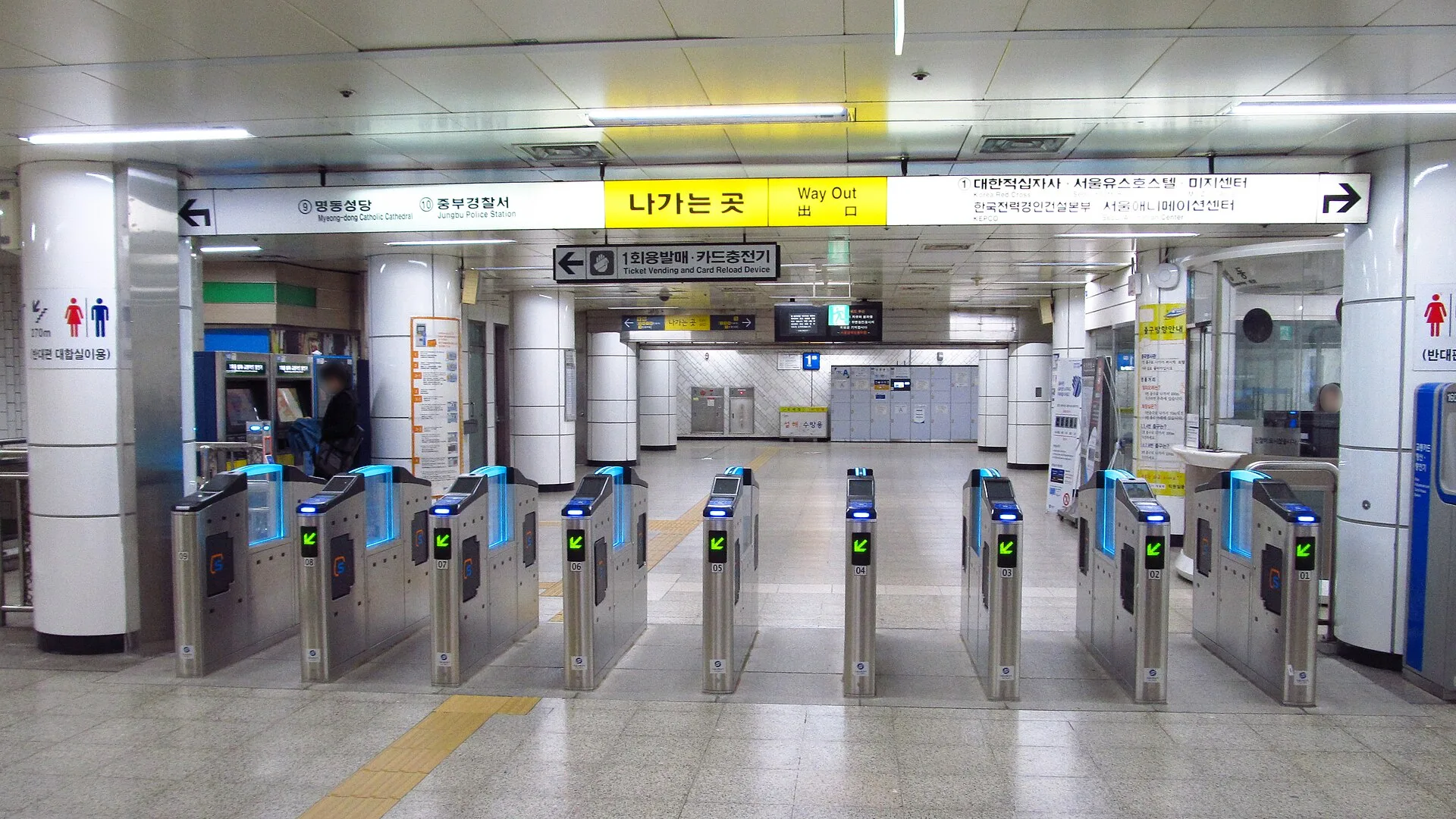
It also helps to know how fares work. Seoul Metro charges adults 1,550 won for a subway trip of up to 10 km paid with a transit card, with small distance-based additions beyond that. Paying with T-money or another transit card also brings Seoul’s integrated transfer discount: tap off, then board the next subway or bus within 30 minutes (60 minutes between 21:00 and 07:00), and you can transfer up to four times on one journey. So when you compare a pass with paying per ride, count journeys from door to door rather than individual legs.
T-money: the default card that works almost everywhere
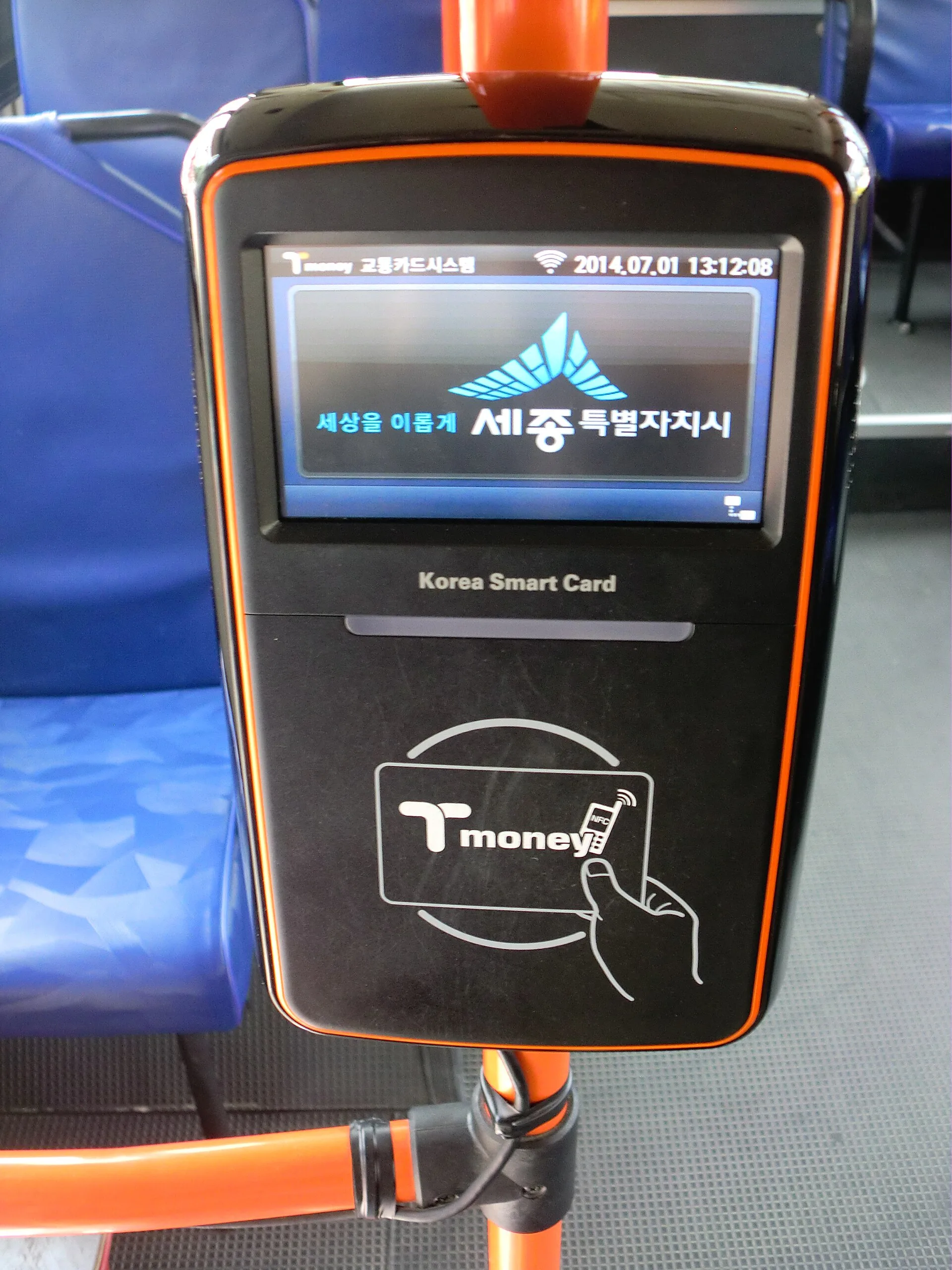
T-money is Korea’s standard prepaid transit card, run by Tmoney Co. You need no ID, account or app: buy the card, load money onto it, and the fare is deducted each time you tap. Tmoney’s own guide puts the card at about 3,000 won, with special designs costing more, and says it is sold at convenience stores such as GS25, CU, 7-Eleven and emart24 and from subway station machines, including at the airports. The price of the card is separate from its balance and is not refunded.
Its strength is reach. The same card works on subways and buses nationwide, in taxis with card readers and at participating shops such as convenience stores. Topping up is where visitors get stuck: you hand the card and cash to a convenience-store cashier or use a station machine, and Tmoney itself warns not to assume a foreign credit card can top up a standard card. In practice, carry some won in cash. Money left at the end can be refunded at convenience stores and other designated places for a 500-won fee. How much each place can refund varies, and according to WOWPASS’s refund guide and the Korea Tourism Organization’s VisitKorea site, balances of 50,000 won or more go to Tmoney’s refund counter, Tmoney Town, near Seoul Station.
Tmoney also sells foreigner-only versions with partner perks, the TMONEY TRAVEL CARD (4,000 won) and TMONEY TRAVEL CARD+ (6,000 won); the older Korea Tour Card is no longer sold. There is an iPhone option as well. T-money joined Apple Pay on 22 July 2025, but it is for transit only, and its top-ups and refunds run through Korean payment methods and bank accounts, so a short-stay visitor should not count on it. I would make a plain T-money card the default for anyone travelling beyond Seoul or riding only once or twice a day. Its weak spots are cash top-ups and the refund stop at the end of the trip.
WOWPASS: transit plus a prepaid payment card
WOWPASS, run by Orange Square, is a prepaid card for foreign visitors; South Korean nationals cannot sign up. It is one card with two separate balances. The WOWPASS balance pays by chip at shops and restaurants that accept local cards, while the T-money balance is what you tap at subway gates, on buses, in taxis and at convenience stores. You get the card from a self-service WOWPASS machine — the company cites about 446 nationwide, in hotels, subway stations and tourist areas, plus Incheon, Gimpo and Jeju airports — by scanning your passport and topping up. The FAQ lists a one-time, non-refundable membership fee of 6,000 won. VisitKorea’s transport-card page still says 5,000 won, so check the machine’s screen.
For transit, the key detail is that the two balances do not mix on their own. The T-money side must be topped up separately, either with won cash at subway machines or convenience stores, or by moving WOWPASS balance into T-money with the app’s NFC feature; the transfer only goes that way. Leftover WOWPASS balance can be withdrawn as won cash at WOWPASS machines, up to 100,000 won at a time for a 1,000-won fee, but leftover T-money goes back through Tmoney’s own refund points. If you lose the card, the WOWPASS balance can move to a reissued card; the T-money balance cannot. WOWPASS’s airport package, booked in the app and collected at the airport, comes with 10,000 won of T-money already loaded.
I would choose WOWPASS if I wanted one card for fares and everyday spending, especially if I were arriving with foreign cash to exchange. If I only needed fares, the 6,000-won fee and the two balances to keep track of would send me back to a plain T-money card.
Climate Card short-term pass: unlimited rides inside Seoul
The Climate Card is Seoul Metropolitan Government’s flat-fare transit pass: one charge buys unlimited subway and bus rides for the period you choose. Since 1 October 2026 it exists only in short-term form. The prepaid 30-day card took its last charges on 31 August and both prepaid and postpaid versions ended on 1 October; the city says the short-term passes continue, valid in Seoul. They cost 5,000 won for 1 day, 8,000 for 2 days, 10,000 for 3 days, 15,000 for 5 days and 20,000 for 7 days, plus 3,000 won for the physical card. The similarly named Climate Pass, launched on 1 September, is a refund scheme for adults registered as Seoul residents, not something a visitor can buy.
The clock runs in calendar days, not 24-hour blocks. The day you charge the pass is day one — it cannot be charged in advance — and it lasts from the first train at 04:00 that day until the last train of the final day, usually around 04:00 the next morning. Since 1 October 2026 it covers the subway within Seoul, getting off (but not on) at Incheon Airport Terminal 1 or 2 stations, and Seoul-licensed city and village buses, including late-night and circular routes. It does not cover the Shinbundang Line, GTX, subways outside Seoul, red wide-area buses, airport buses or buses licensed by other regions, and it cannot pay for taxis, Ttareungyi bikes or the Hangang Bus. If you board inside the area and leave the system outside it, station staff charge the full fare from your boarding station.
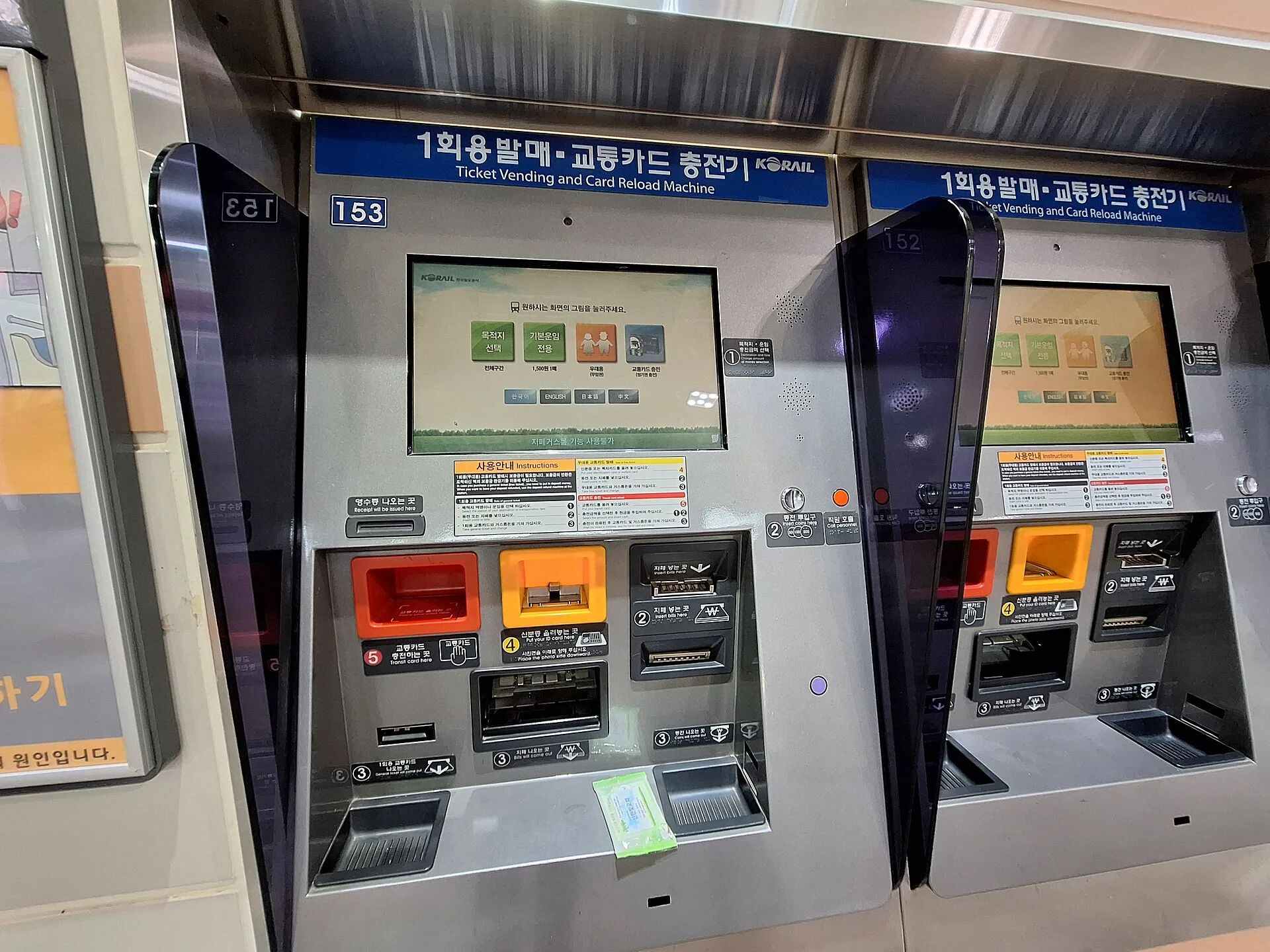
Buying one has become easier. Physical cards are sold from the new vending machines in Seoul Metro Line 1–8 stations and at convenience stores near Line 9, Ui-Sinseol and Sillim line stations. Since 17 March 2026, the 440 new machines in 273 stations on Lines 1–8 accept foreign-issued Visa and Mastercard cards for both the card and the pass, with an average service charge of about 3.7%. Tmoney says the pass is sold only within Seoul, so you cannot pick one up on landing at Incheon Airport. Each card is for one person, and the mobile version needs an Android phone (OS 12 or later) plus identity verification with a phone in your own name, so most visitors will use the plastic card.
Refunds are the catch. In principle you get back what you charged minus the fares you actually used and a 500-won fee, as long as you apply before the pass expires and the physical card is registered on the Tmoney Card & Pay website. Signing up for that website, though, needs identity verification with a phone in your own name or an I-PIN, which requires a Korean alien registration number. Seoul’s overview page says foreigners without a Korean bank account can collect a cash refund at Tmoney’s headquarters, while the same site’s FAQ says refunds are paid only to a bank account after you file online. On a short stay, I would treat the pass as effectively non-refundable and buy only the days I am sure to use. I would buy one for a run of Seoul-only days with lots of riding, and not for an arrival day from the airport, a day on the Shinbundang Line or a day trip out of the city.
When does a pass pay off?
Here is a rough check — my own arithmetic using the 1,550-won base subway fare, not an official figure. A 1-day pass at 5,000 won pays for itself after about 3.2 base-fare journeys that day. The 2-day pass needs about 2.6 journeys a day, the 3-day about 2.2, the 5-day about 1.9 and the 7-day about 1.8. Remember that transfers on T-money are already discounted, so a subway-plus-bus trip counts as one journey; on the other hand the pass has no distance surcharge, so it gains on long rides. Both the T-money card and the Climate Card cost around 3,000 won as plastic, so the card price mostly cancels out.
Two things tip the balance away from the pass. Any day that leaves Seoul — the Shinbundang Line to Pangyo, a GTX ride or a red bus to the suburbs — needs a T-money balance anyway. And the pass cannot pay for taxis or shops, so you will still want a card or cash for those. The practical setup for many visitors is a T-money card or WOWPASS for flexibility, plus a Climate Card short-term pass for the Seoul days when you will ride a lot.
Related on Rank Three: for the airport rail, bus or taxi decision, see “Getting to Incheon Airport: rail, airport bus or taxi”; for planning routes, “Planning a Seoul subway trip: Kakao Subway, Subway Korea or the official map?”; and for late nights, “Kakao T vs Uber Taxi vs TADA: calling a taxi in Seoul”.
Our three picks
- T-money: the default card that works almost everywhereT-money
Works on subways and buses nationwide, in taxis with card readers and at many convenience stores, with Seoul’s transfer discount. About 3,000 won at convenience stores and station machines. Top-ups are effectively cash-only, and leftover balance needs a refund stop.
- WOWPASS: transit plus a prepaid payment cardWOWPASS
One card with a T-money balance for fares and a separate prepaid balance for shops, issued at WOWPASS machines with a passport. The 6,000-won membership fee makes sense only if you will use the payment side too.
- Climate Card short-term pass: unlimited rides inside SeoulClimate Card short-term pass
From 5,000 won for 1 day to 20,000 won for 7 days of unlimited Seoul subway and Seoul-licensed bus rides, payable with a foreign Visa or Mastercard at new Line 1–8 machines. Not valid outside Seoul, on the Shinbundang Line, airport buses or for boarding at the airport, and refunds are hard to claim on a short stay.
Side by side
| What to check | T-money | WOWPASS | Climate Card (short-term) |
|---|---|---|---|
| Card cost | About 3,000 won; designs vary | 6,000-won one-time membership fee (FAQ) | 3,000-won card plus the pass |
| How rides are paid | Per ride from stored value, with transfer discounts | Per ride from its T-money balance | Flat price: 5,000 won (1 day) to 20,000 won (7 days) |
| Topping up | Won cash at convenience stores and station machines | Won cash, or move WOWPASS balance to T-money in the app | Station charging machines; foreign Visa/Mastercard at new Line 1–8 machines (about 3.7% fee) |
| Where it works | Subways and buses nationwide, card-reader taxis, many shops | As T-money, plus chip payments at card merchants | Seoul subway and Seoul-licensed buses; exit only at Incheon Airport |
| Not valid for | Little on public transport; longer rides cost more | Online payments (WOWPASS balance) | Shinbundang, GTX, red and airport buses, taxis, shops, Ttareungyi |
| Leftover money | Refund minus 500 won; 50,000 won or more at Tmoney Town | WOWPASS balance: won cash at machines (1,000-won fee); T-money: refund points | Charge minus fares used minus 500 won, before expiry, registered cards only (sign-up needs Korean ID check) |
| Best for | Trips beyond Seoul, light daily riding | Visitors who also want a prepaid payment card | Seoul-only days with lots of riding |
Where I would start
For most first-time visitors I would start with a plain T-money card from a convenience store and a little won in cash to top it up: it works on every subway, bus and card-reader taxi in the country and asks nothing of you in advance. Choose WOWPASS instead if you want the same card to pay in shops and you are bringing foreign cash to exchange. Then, for the days you will spend criss-crossing Seoul, add a Climate Card short-term pass at a Line 1–8 station, remembering that it starts the day you charge it, works only inside Seoul and is hard to refund on a short stay. Card terms and prices change, so check the Seoul, Tmoney and WOWPASS pages again before you travel.


