A dumpling is more than its filling once it lands in a bowl of soup. The wrapper, broth, and side dishes all change the meal. Jaha Son Mandu, Gaeseong Mandu Koong, and Mandujip make an interesting shortlist because their published descriptions give you something more specific than a famous name. This guide uses the MICHELIN Guide's restaurant information checked on October 1, 2026. It is a plan for choosing a visit, not a taste ranking from eating at all three.
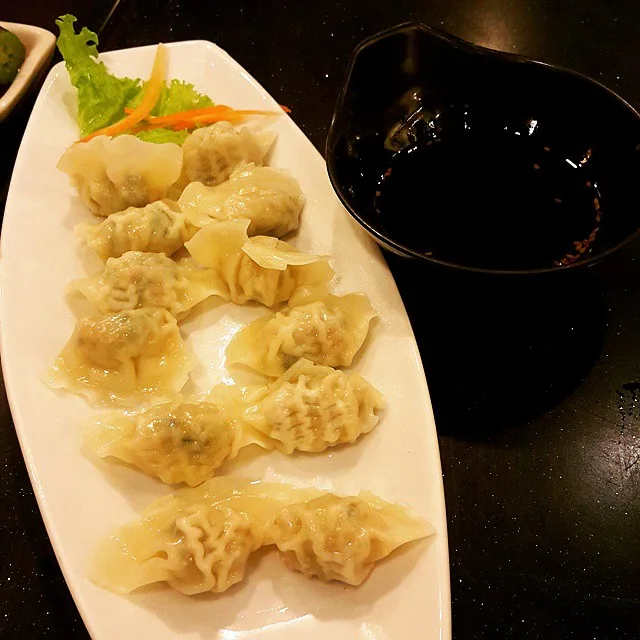
Jaha Son Mandu: Start with the broth
Jaha has been in Buam-dong since 1993, at 12 Baekseokdong-gil. MICHELIN describes broth seasoned with house-made traditional Korean soy sauce and wrappers made from domestic wheat flour. The restaurant occupies a converted home, with views of Inwangsan. If your afternoon already includes a walk around Buam-dong, lunch here has a clear place in the day.
A gently seasoned broth is a direction to consider, not proof that this restaurant is lighter than the other two. That would require tasting them under comparable conditions. I would arrive interested in the broth and wrapper rather than expecting a strong seasoning hit. Decide whether you are travelling just for a bowl or making the neighbourhood part of the visit; those are different reasons to spend the afternoon here.
Gaeseong Mandu Koong: Give the wrapper some attention
At 11-3 Insadong 10-gil, Koong is described as a third-generation restaurant in a converted hanok, a traditional Korean house. The guide identifies dough fermented for three hours, a pork-and-vegetable filling, and broth made with beef and vegetables. Those details are more useful for a first order than trying to guess the flavour from the Gaeseong name alone.
If the wrapper is your favourite part of a dumpling, fermented dough is a reason to look closer. If you usually judge dumplings by the filling, the combination of pork and vegetables may matter more. The location also fits an Insadong walk. I would treat the house and the food as separate attractions: liking a traditional room does not guarantee that its dumplings will suit your taste.
Mandujip: Soup, then a pancake to share
Mandujip's name simply means a dumpling restaurant. At 338 Apgujeong-ro, it is known in the guide for Pyeongan-style mandu soup with beef-brisket broth. You can request the soup without its spicy seasoning. Bindaetteok, a mung-bean pancake, and gochujeon, a pepper pancake, provide possible additions to the bowl.
For one diner, I would begin with the soup. For two, a shared pancake makes sense as an extra rather than a compulsory order. There is no need to claim that these are Seoul's biggest or best dumplings to justify a visit. Wanting Pyeongan-style soup while eating around Apgujeong is enough. If spicy seasoning is something you would rather skip, ask about it when ordering.
What to remember after the first bowl
Keep three small notes: wrapper, filling, broth. 'I liked the dumplings, but the broth was not my thing' already tells you what to explore next. A long meal with pancakes and drinks at one restaurant and a hurried bowl at another are different experiences. Remember which part of the meal you are actually comparing.
Starting with each restaurant's dumpling soup gives you a reasonably consistent point of reference; sides can follow the size of your group. These stops are in different neighbourhoods. Begin with Buam-dong, Insadong, or Apgujeong according to your plans. You do not need to turn one lunch into a three-stop tour to learn what you like.
Check the day, and check the broth ingredients
The guide lists Jaha as closed on Mondays and Mandujip on Sundays, while Koong's hours vary by day. Confirm the restaurant's current notice before travelling. An old menu photograph is not a dependable current price list, even when it appears in an otherwise helpful travel post.
Pork, beef, and wheat appear across these descriptions. If you avoid an ingredient or have an allergy, ask about the broth as well as the filling. The table below separates published differences from my suggested reasons to visit. It is not an official certification of Seoul's 'top three' dumpling restaurants.
Our three picks
- Soy-seasoned brothJaha Son Mandu
A first stop when a bowl of dumpling soup fits into a Buam-dong walk.
- Fermented dough and fillingGaeseong Mandu Koong
A useful Insadong choice when the wrapper interests you as much as the filling.
- Pyeongan-style soupMandujip
An Apgujeong meal built around soup and, with company, a pancake to share.
Side by side
| What matters | Jaha Son Mandu | Gaeseong Mandu Koong | Mandujip |
|---|---|---|---|
| Location | 12 Baekseokdong-gil, Buam-dong | 11-3 Insadong 10-gil | 338 Apgujeong-ro |
| Published focus | Traditional soy-seasoned broth | Fermented dough; pork and vegetables | Pyeongan-style dumpling soup |
| Broth description | Seasoned with house-made soy sauce | Beef and vegetables | Beef brisket |
| Remember when ordering | Notice the wrapper and broth separately | Look at wrapper texture and filling | Ask to omit spicy seasoning if preferred |
| Room or sides | Views of Inwangsan | Hanok; water kimchi and radish kimchi | Mung-bean and pepper pancakes |
| Fits into | Buam-dong walk | Insadong and Jongno plans | Apgujeong plans |
| My reason to start here | Broth and neighbourhood together | Interest in fermented wrappers | Soup with a shared pancake |
Choose a neighbourhood first
I would start with the day's map: Jaha in Buam-dong, Koong in Insadong, Mandujip in Apgujeong. For the next visit, remember whether the wrapper or the broth left you more curious. You do not have to love all three. One detail from a good bowl is enough to make the next choice your own.
