Photographs of pale beef soup do not tell you much about the meal. The cut of meat, whether rice arrives in the broth, and whether you want sliced beef alongside it are more useful clues. This shortlist compares Imun Seolnongtang, Mapo Ok, and Oegojip using the MICHELIN Guide's cooking and menu descriptions. The information was checked on October 1, 2026; the recommendations are based on those descriptions, not a firsthand tasting contest.
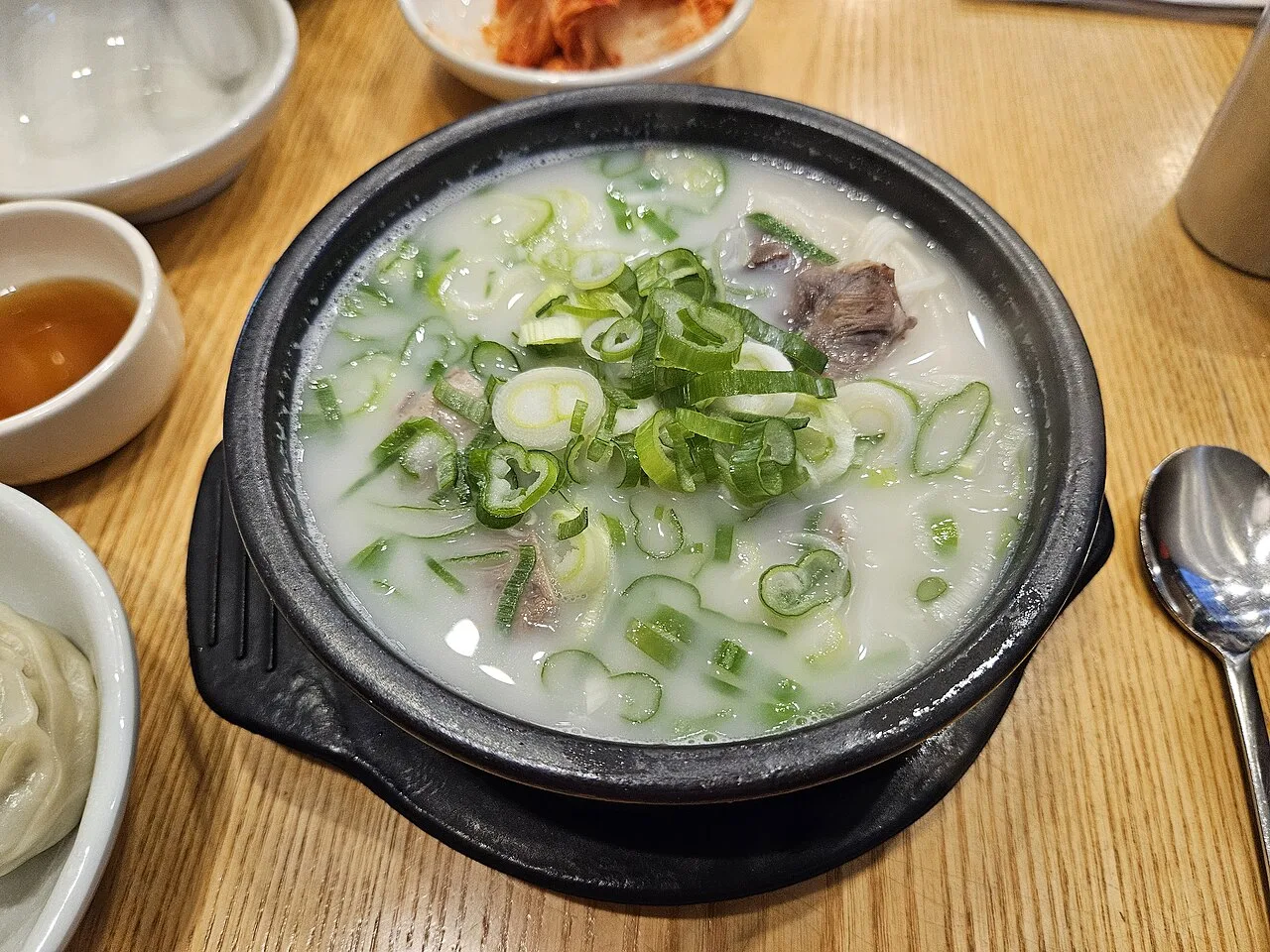
Imun: A long simmer in an iron pot
Imun is at 38-13 Ujeongguk-ro in Jongno. The guide describes its history as Seoul's first licensed restaurant and its cooking process: beef bones simmered for seventeen hours in an iron pot, with fat removed. That is a more concrete reason to investigate the bowl than the age of the sign above the door.
The description points toward bone broth and a gentle beef aroma. It does not let us rank richness by how white the soup looks; lighting and photography affect that too. I would taste a spoonful before adding salt and pepper. Suyuk, boiled sliced meat, and a dressed meat dish are also mentioned, so decide whether this is one quick bowl or something to share.
Mapo Ok: Pay attention to the meat and rice
Mapo Ok, at 312 Tojeong-ro, is described as having opened in 1949. Brisket, thinly sliced fatty beef, and bones contribute to the broth, with thick slices of brisket in the bowl. The guide also notes toryeom: rice warmed through with hot broth before serving. Seolleongtang does not always mean a separate bowl of rice on the side.
On a day when the meat interests me more than the soup's colour, this description would put Mapo Ok first. Chadoltang, with fatty beef slices, offers another direction. A generous portion in a restaurant description is not an exact weight, however. Fresh cabbage kimchi, spring-onion kimchi, and radish kimchi also help describe the meal without pretending to measure its value.
Oegojip: A bowl with room for suyuk
Oegojip is at 555 Samseong-ro in Gangnam. MICHELIN highlights its use of 1++ Hanwoo beef, along with Hanwoo suyuk and dogani, tendon dishes. If the ingredient grade matters to you, or you are planning to share meat alongside soup, the menu gives you a clear reason to look closer.
A beef grade and a judgement about your favourite soup are different things. The cut, cooking, and your preferences still matter. I would not name Oegojip the automatic winner because its description mentions that grade. I would shortlist it for a meal around Samseong-dong where there is time and company for more than one bowl. A hurried solo lunch calls for a different order.
Season after the first few spoonfuls
Soup comparisons get muddled quickly. A heavy hand with salt and pepper at one table, followed by radish-kimchi liquid at another, changes what you remember. Try a few spoonfuls as served if you want a useful reference for next time. Then eat it however you enjoy it; lunch is not an examination.
Rice already warmed into broth also changes the experience. If you prefer adding a little rice at a time, ask how the bowl is served. You do not have to adapt your preferences to a famous restaurant's usual method. Knowing what kind of meal you want makes it easier to choose a dish instead of relying on its reputation.
Let lunch fit the day
These stops sit in Jongno, Mapo, and Samseong-dong. Travelling between them would swallow a short lunch break. Start with the one near your plans, then use another visit to explore a different preparation. Comparing the price of one restaurant's shared meat plate with another's basic soup would not tell you much about either bowl.
The guide lists Imun mainly during daytime hours and Oegojip as closed on Sundays. Check current opening notices and menus before visiting. The final row below is my suggested reason to choose each restaurant; the other rows summarise differences in the published descriptions. None is a measured taste score.
Our three picks
- Long-simmered bone brothImun Seolnongtang
Start here for a Jongno lunch centred on the basic bone-broth bowl.
- Brisket and toryeom riceMapo Ok
Consider it when the meat and rice arrangement is what you want to explore.
- Hanwoo and shared meatOegojip
A Samseong-dong candidate for soup with suyuk to share.
Side by side
| What matters | Imun | Mapo Ok | Oegojip |
|---|---|---|---|
| Location | 38-13 Ujeongguk-ro, Jongno | 312 Tojeong-ro, Mapo | 555 Samseong-ro, Gangnam |
| Published preparation | Bones simmered 17 hours; fat removed | Brisket, fatty beef, and bone broth | 1++ Hanwoo beef |
| Broth description | Bone broth and gentle beef aroma | Relatively clear Mapo-style broth | Broth made with Hanwoo beef |
| Rice and meat | Begin with the basic soup | Toryeom rice and thick brisket | Look at the Hanwoo meat and broth |
| Possible additions | Suyuk and dressed sliced meat | Chadoltang and several kimchi varieties | Hanwoo suyuk and tendon |
| Fits into | Jongno lunch | Mapo lunch | Samseong-dong meal |
| My first reason to visit | Cooking method behind the broth | Meat and rice together | Soup with a shared meat dish |
The bowl I would start with
In Jongno I would begin with Imun, in Mapo with Mapo Ok, and around Samseong-dong with Oegojip. After that, remember one thing: was it the broth, the meat, or the way the rice arrived that made the meal work? That is a better guide to a second lunch than choosing a winner from three white-soup photographs.
